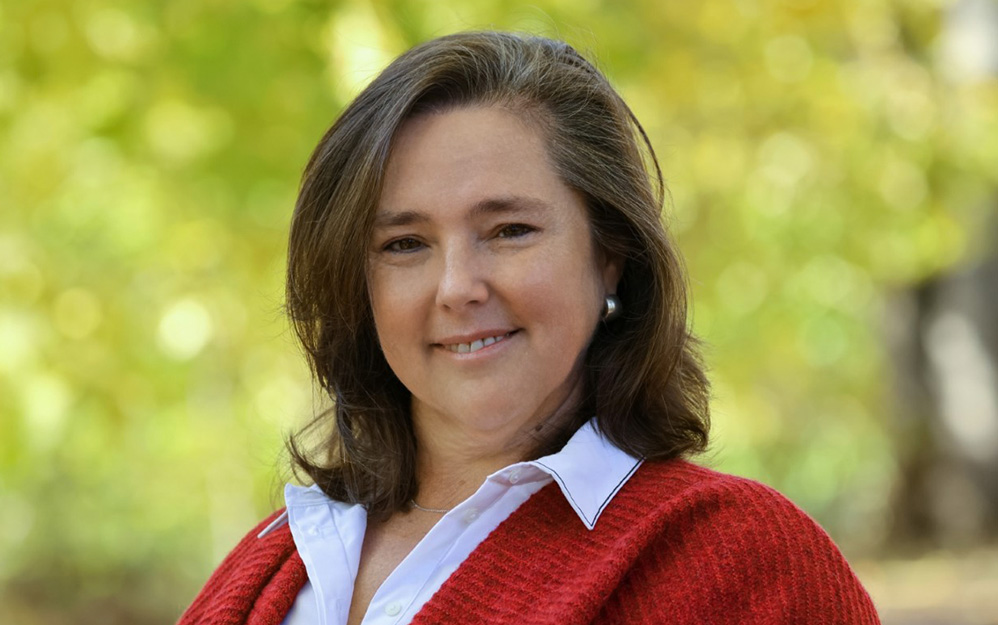
Vme is developing several initiatives for 2026. “In Vme Kids, for example, we are expanding our educational animation offerings with new international acquisitions that encourage curiosity, creativity, and respect for the environment,” said Doris Vogelmann, VP of Programming and Operations at V-Me Media, in an interview with PRODU.
For Primo, Vogelmann mentioned that they are finalizing “nearly 500 hours of programming that we will launch throughout 2026, which represents a great opportunity to introduce numerous new series for our children’s and youth audience.”
In addition, the company is modernizing its technological infrastructure to optimize the signal and explore new distribution methods. “At the same time, we are integrating artificial intelligence tools into our management processes, which will allow us to be more efficient and strategic. The goal is clear: to continue being a benchmark for positive, educational, and cultural Spanish-language content, and to accompany Hispanic families in their daily lives with offerings that truly make a difference,” she pointed out.
2025 OVERVIEW
Vogelmann noted that 2025 has been a very positive year for Vme. “We have consolidated our position in the Hispanic market with a diverse content offering aligned with our mission: to educate, inspire, and entertain. Each of our channels—Vme, Vme Kids, and Primo—has strengthened its identity,” she said.
She added that they continue to offer cultural and documentary content: Vme Kids keeps focusing on animated series with educational and scientific values, while Primo, the company’s newest channel, has become a fresh and dynamic option for a broader children’s and youth audience.
Additionally, they have renewed agreements with major international distributors and expanded their multiplatform presence, combining linear TV with digital environments to connect with new generations without losing their essence.
CHALLENGES
Vogelmann considers the biggest challenge in 2025 has been adapting to fragmented consumption. “The Hispanic audience is no longer in one place: they consume content via streaming, on social media, and remain connected to traditional TV. The challenge is to be present across all these spaces without losing brand coherence,” she said.
Looking ahead to 2026, she indicated the industry will face a new challenge: personalization and the use of artificial intelligence in content distribution and promotion. “Competition will no longer be just about having more titles, but about offering more relevant, authentic, and relatable experiences. And, of course, maintaining an offering that speaks directly to the heart of the Hispanic audience, which is diverse, bicultural, and increasingly demanding,” she noted.
STRATEGY TO REMAIN RELEVANT
Vme’s strategy to stay relevant is based on three pillars:
-First, careful curation: content with purpose, offering educational, cultural, or emotional value.
-Second, technological adaptation: working to make content available across multiple platforms and continuously improve the viewing experience.
-Third, strengthening partnerships with producers and distributors worldwide: “We are interested in collaborating with partners who share our vision: to tell stories that inspire and reflect the richness of the Hispanic world. The key is maintaining authenticity, brand consistency, and closeness with our audience,” she concluded.
HISPANIC TELEVISION SUMMIT
For Vme, the Hispanic Television Summit has become a key reference in the sector, as it brings together the main players in the industry: programmers, producers, agencies, distributors, and advertisers.
“For companies like Vme, it is an ideal space to share experiences, explore new partnerships, and understand where the market is heading. Additionally, it is an opportunity to highlight the value of Spanish-language content and to remind everyone of the enormous influence the Hispanic audience has today in the U.S. media landscape,” she concluded.