
U.S. HISPANIC Versión en español
Jacky Castro of Telemundo Studios: “In Adapting Velvet There Was A Balance Between Respect And Reinvention”
Maribel Ramos-Weiner | 20 de junio de 2025

Jacky Castro, VP of Production at Telemundo Studios: “Our main goal was to revitalize an iconic story"
Velvet El Nuevo Imperio (96×60’), Telemundo’s adaptation for the U.S. Hispanic market of the original Spanish format created by Ramón Campos and Gema R. Neira and produced by Atresmedia Televisión with Bambú Producciones, faced a major challenge according to Jacky Castro, VP of Production at Telemundo Studios: “bringing the story from that era into today’s world, where everything is very different.”
“Our main goal was to revitalize an iconic story. It’s a Spanish story that had already been done for the Spanish market, and we wanted to connect it with the contemporary reality of the U.S. Hispanic audience. We aimed to preserve the romantic soul of Velvet, but place it in a modern, diverse context that reflects Hispanic culture—culturally relevant, showcasing the aspirations, challenges, and contradictions faced by the Latino public in this market,” Castro told PRODU.
REINVENTION
When asked about the creative process behind Velvet El Nuevo Imperio, Castro said there was a balance between respect and reinvention.
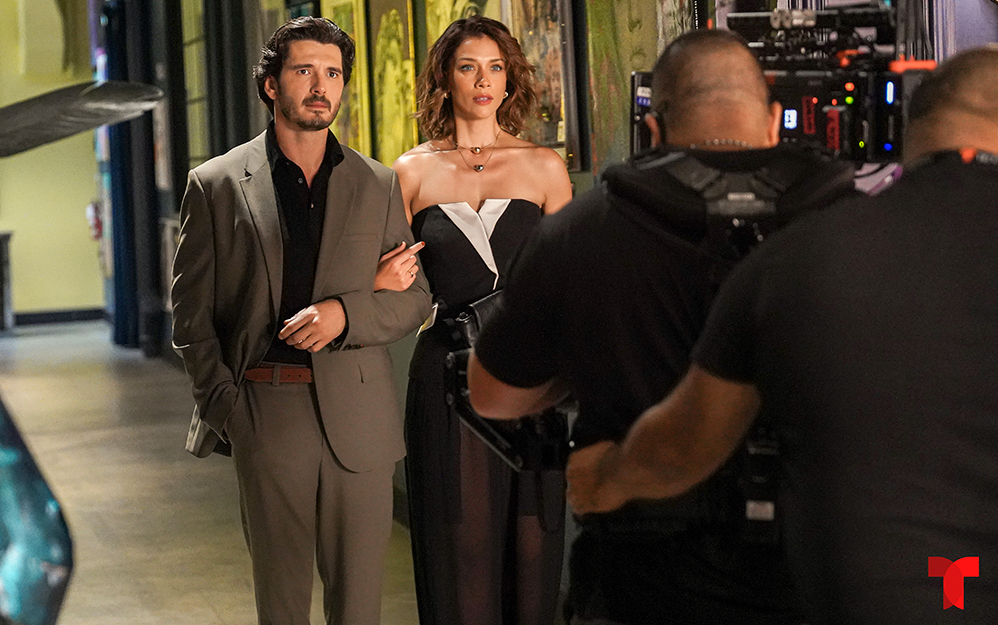
Yon González y Carolina Miranda del elenco de Velvet el nuevo imperio
“Since the story already existed, we had to reinvent it, bring it into the present day. From the beginning, our priority was to update the conflicts and redefine the characters—giving them a voice and representation that aligns more with 2025 and today’s reality. The original story was set in the 1950s. We also placed great emphasis on the visual style. We wanted the aesthetics to be contemporary, the fashion to be disruptive, and the narrative palette to reflect the sophistication and urgency of modern life in New York, infused with a blend of Latin cultures,” she explained.
Castro highlights that to make the story more relevant to today and the current Hispanic audience, themes like fast fashion, pay equity, sustainability, mental health, migration, and social media pressure were incorporated. “For example, Ana’s character was completely redefined as an empowered Latina woman, which was very important to us—an empowered, ambitious, emotionally complex woman who represents the dreams and struggles of many Hispanic women in the U.S. today.”

Yon González y Carolina Miranda
She added that the essence of Velvet—impossible love, a passion for fashion, drama, and family business dynamics—was preserved. “We translated that essence into a modern cultural code, adding layers that better represent the diverse identities within the Hispanic world—from Mexico, the Caribbean, and South America,” she noted.
She also mentioned that about 400 people work full-time on Velvet El Nuevo Imperio, with many more joining as extras. “Lots of people are involved in this project because we have runway shows, events… there’s a lot of movement due to the fashion show scenes,” she said.
The series, which now has 96 episodes, finishes filming this weekend.
NEW YORK AS THE CENTER OF THE VELVET UNIVERSE
New York City was not just a location, but “the center of the Velvet universe,” emphasized Castro.
“We showcased the multicultural energy and contrasts between glamour and the daily grind—from Soho’s catwalks to the expanded workshops in Queens, for example. We had different locations to represent the multicultural fabric of New York. The city is reflected in the characters, fashion, dialogue, and dilemmas. New York powerfully conveys themes like migration, ambition, resilience, and a kind of raw beauty that’s embedded in the DNA of this adaptation,” she explained.
THE FEMALE UNIVERSE
According to Castro, one of the strongest pillars of the new version is the female universe.
“The female universe we present includes the seamstresses, the designer, the people working in a major fashion house like Velvet. Here, we don’t just see sophisticated and elegant women—but also intelligent, strategic ones. Determined women who take control of their destiny. We believe each character offers a unique perspective on love, power, and ambition in a world where fashion and business go hand in hand,” she said.
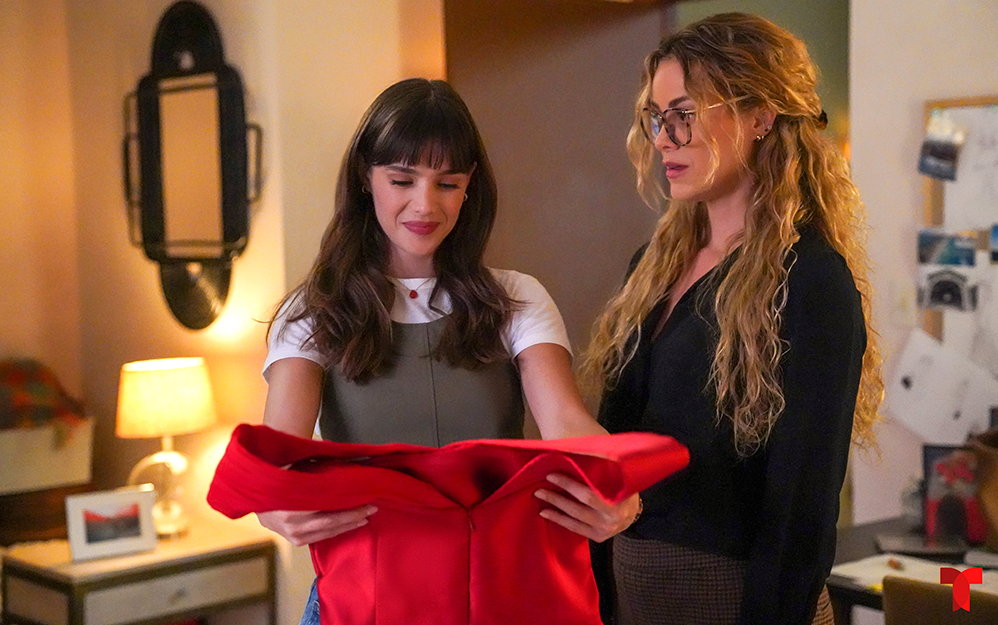
One of the pillars of the new version is the female universe
She noted that the intention was also for the story to reflect the evolution of women in the industry, “showcasing their strength but also their vulnerability and capacity for reinvention—which Ana strongly represents. In this Velvet universe, women are not only muses, but also architects of their own futures,” she added.
HISPANIC AUDIENCES VALUE STORIES WITH ROOTS AND VISION
According to Castro, the audience response to this new version of Velvet has been “very positive. The public’s enthusiasm has been exciting. We believe they’ve deeply connected with the characters, especially the protagonist. They’ve praised the aesthetics and appreciated the contemporary themes. Many viewers have said that Velvet speaks to them, that they see themselves represented for the first time in a high-quality drama that doesn’t sacrifice depth for entertainment.”
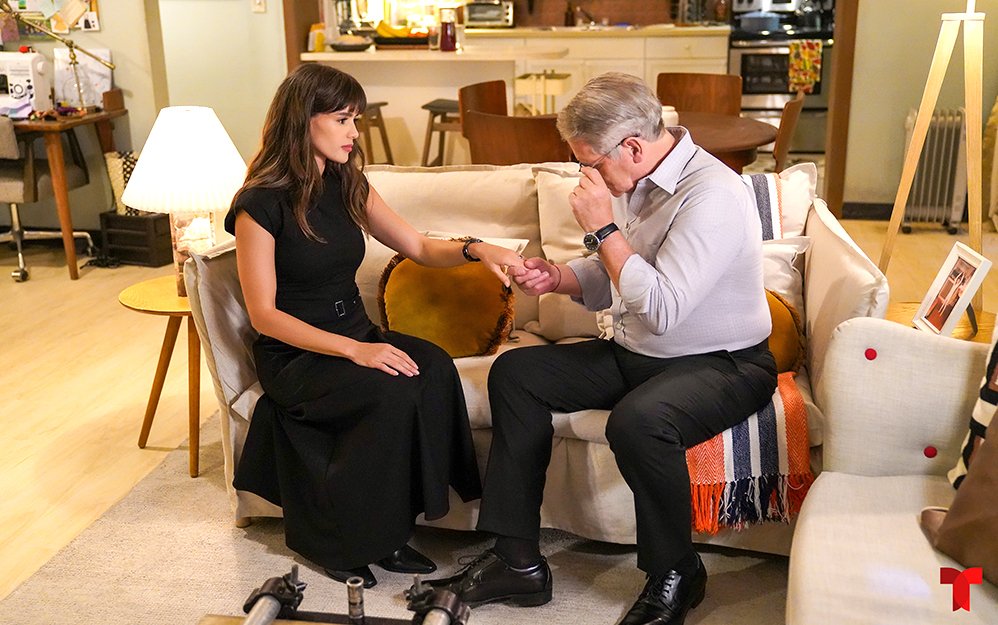
Samantha Siqueiros y Leonardo Daniel
For the executive, the main takeaway from this production is that Hispanic audiences “value stories with roots and vision. For us, adaptation is not copying—it’s interpreting. We also understood that audiences want quality, representation, and complexity. They don’t want typical clichés, but rather protagonists with nuance, contemporary conflicts, and narratives that respect them intellectually and emotionally—and that also represent them,” she concluded.

Etiquetas

Contactos

Empresas

Programas


Diario de Hoy
|
viernes, 18 de septiembre de 2026 |
Noticias relacionadas (2)

