
U.S. HISPANIC
Louis Maldonado from d expósito & Partners: “Beyond the Month: Why Hispanic Identity Must Lead, Not Blend”
7 de noviembre de 2025
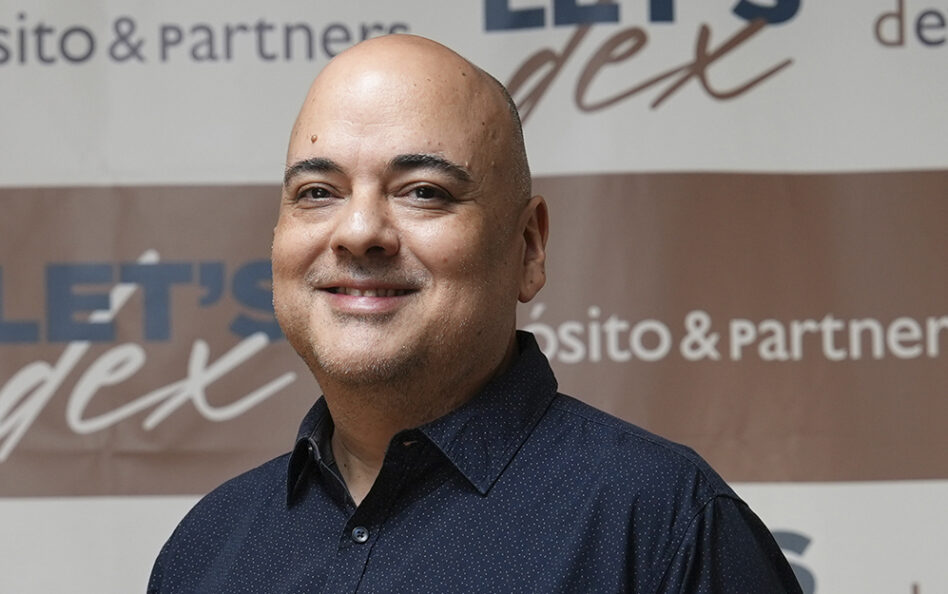
Louis Maldonado
As Hispanic Heritage Month wraps up across the U.S., this year’s tone reflected more than celebration—it mirrored the crossroads our industry faces. In a climate where diversity and inclusion are being questioned, marketers are being forced to decide whether to retreat or to evolve. (The month-long observance, first declared a national heritage month by President Ronald Reagan 37 years ago, continues to honor the histories, cultures, and contributions of Hispanic Americans.)
This year, however, the celebration felt more subdued. Against the backdrop of our shifting sociopolitical environment, many marketers have been rethinking their DE&I strategies—while some major brands have even reversed or diluted their commitments, often learning the hard way what that costs in both reputation and relevance. One thing remains clear: most marketers understand that inclusive marketing drives growth—fueled by demographic transformation and an expanding sense of identity among Americans.
An increasingly common approach is to leverage intersectional opportunities across the consumer landscape—finding shared experiences among diverse identity groups. It’s an effective strategy when done authentically. By acknowledging the many identities any one person can hold—race or ethnicity, gender, sexuality, ability, neurodivergence, veteran status, and beyond—brands can make more people feel seen and included. Yet, while this layered approach has real merit for broad-market storytelling, more targeted engagement remains a powerful way to connect deeply with one of the largest identity groups in the U.S.—Hispanics—who now rival the Gen Z (69 million) and Millennial (74 million) cohorts in size.
Still, some marketers assume that younger Latinos, particularly Gen Z and Millennials, have diluted connections to Hispanic culture—that their values, beliefs, and decisions are shaped more by generational experiences than by cultural identity. Multiple studies show otherwise: even the youngest Latinos see their culture as central to who they are, and they want brands to recognize them through authentic stories that reflect their realities.
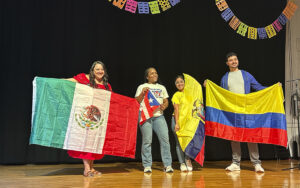 I witnessed this firsthand during a recent Hispanic Heritage Month celebration at a combined middle and high school in The Bronx, where I was invited to address a predominantly Latino student body—a mix of Gen Z and Gen Alpha. Here are some of my observations:
• Their connection to Hispanic identity was unquestionably alive and thriving. Latinidad was on full display through the parade of flags, folklore-inspired costumes, and dance performances that filled the stage.
• In their spoken-word poetry, they explored the complexity of our shared heritages—Indigenous, African, and European—embracing every layer with curiosity and pride.
• The centerpiece of the program was a skit set in a multigenerational Latino household. When the younger family members sought their abuela’s cures for everyday ailments, Vicks VapoRub was the remedy of choice, and, yes, the chancleta made a cameo. The laughter wasn’t just for fun; it was recognition. Those cultural references—so specific, so familiar—spoke to real family truths.
• And while English was clearly their dominant language, they wove Spanish throughout with ease and intention—especially during a quiz game meant to revive lesser-used Spanish words.
These young people weren’t just celebrating their heritage—they were living it. Their humor, their bilingual ease, and their reverence for family traditions showed that Latino culture isn’t a secondary identity; it’s foundational. What I saw in that Bronx school could just as easily be found in Houston, Los Angeles, Chicago, or Orlando. Their pride wasn’t confined to a month—it’s part of their daily formation.
Recognizing intersecting identities is vital to portraying the truth of modern America. But the critical mass and cultural influence of U.S. Hispanics demand more than inclusion—they demand intentionality. According to Pew Research Center’s latest report, Key Facts About U.S. Latinos, Hispanics have accounted for more than half of the nation’s population growth over the past 25 years. When one group drives that level of expansion—while its culture increasingly shapes mainstream language, taste, and style—brands cannot afford to bury that identity under generic intersections.
To win Latino audiences, brands must lead with identity—authentically, unapologetically, and insightfully. Cultural specificity is not a limitation; it’s the bridge to universal connection. When brands anchor in that truth, they don’t just market to a segment—they connect with the future mainstream of America itself.
By
Louis Maldonado
Managing Director
d expósito & Partners

Etiquetas

Contactos

Empresas


Diario de Hoy
|
viernes, 18 de septiembre de 2026 |

