
U.S. HISPANIC Versión en español
Sergio Mendoza of Telemundo Studios: “With Dinastía Casillas, We Aim To Reach A Different Audience”
18 de julio de 2025
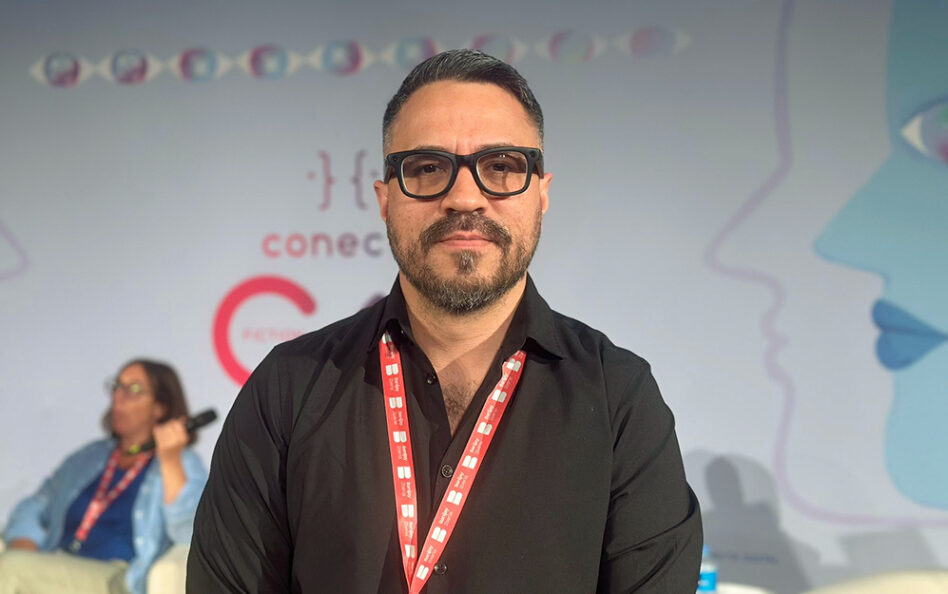
Sergio Mendoza, VP of Scripted Production at Telemundo Studios: In Dinastía Casillas we’re talking about the heirs who are now taking center stage
Telemundo’s upcoming project is the spin-off of El Señor de los Cielos, titled Dinastía Casillas, which according to Sergio Mendoza, VP of Scripted Production at Telemundo Studios, aims to expand a storyline, continue growing one of the network’s most important franchises, and undergo a renewal to reach a different audience.
“In Dinastía Casillas we’re talking about the heirs—characters we had met before as the children of Aurelio Casillas—who are now taking center stage. It’s a different conception of what action series are, and we’re also trying to bring in new values and a new perspective. The world today is very different socially from when we started El Señor de los Cielos nine years ago, and we’re trying to adapt the narrative of Dinastía Casillas to today’s world,” Mendoza told PRODU during Conecta Fiction & Entertainment.
VELVET, EL NUEVO IMPERIO
Mendoza also spoke about Velvet: El Nuevo Imperio, which presented an initial challenge: “Adapting such a well-known IP, beloved not only in Latin America but globally—there was a lot of excitement, even within Telemundo, about producing Velvet. That already sets up a big challenge, because not only do you have to match the level of the original, but also offer something new—and that’s what we tried to do in short. We wanted to be very respectful of the original, but also add new elements that continue in that direction, take some risks, but don’t break what the original had built,” he said.
He mentioned another challenge was that the original Spanish Velvet was set in the 1950s, “with that society and everything that shaped it. That was very important to building the love story, and we had to tell it in New York in 2025—which changed everything.”
He noted that even today, social class remains a barrier in personal relationships, but now with additional layers: class differences, work, migration, social media. “We added all of that and gave it a different perspective from the original to build the same story. The biggest challenge was the change in era.”
TELEMUNDO: THE VOICE OF LATINOS
Mendoza also highlighted Telemundo’s commitment to the Hispanic audience in the U.S.
“Telemundo has always been committed to what we tell and why we tell it, but I do think that, given today’s social context, that commitment has grown stronger. Personally, becoming a father has made me care more about that question. As a creative, you might feel the urge to tell a story, but why you want to tell it is very important. I’m lucky to work with Mónica Alburquerque and Javier Pons—two people with long track records who care deeply about the why. When your professional and personal purposes align, everything falls into place. Every time we bring a project to the table, the first question is: why is it important to tell this story now? If we can answer that—if we survive that question—the show has a great chance of making it through all the development stages to get to air. There’s a strong commitment to what we say because Telemundo takes seriously its role as the voice of Latinos in the U.S. The current social context makes our message more important than ever,” he concluded.


Diario de Hoy
|
lunes, 23 de marzo de 2026 |