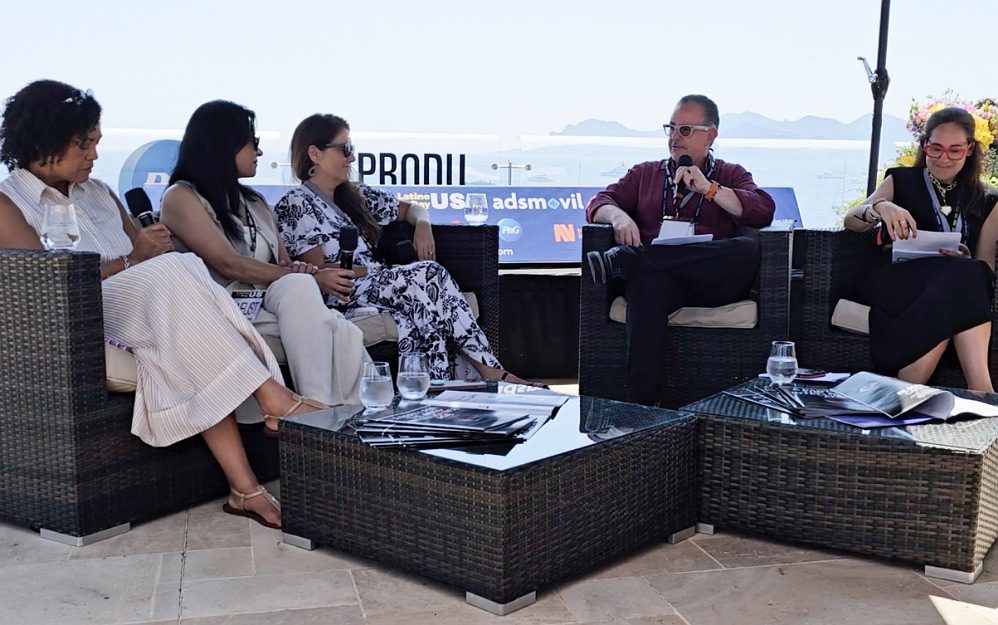
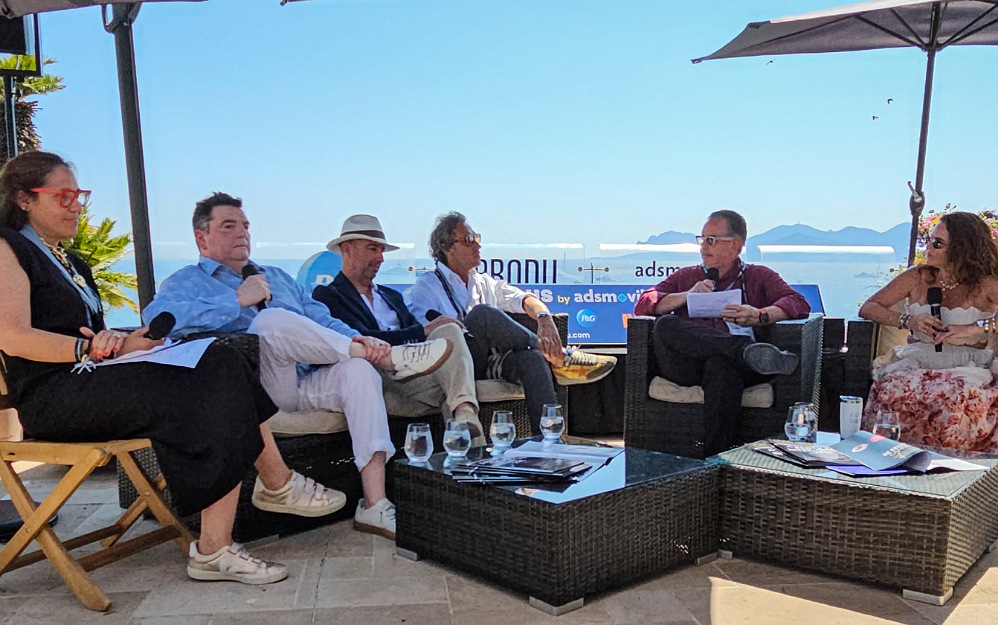
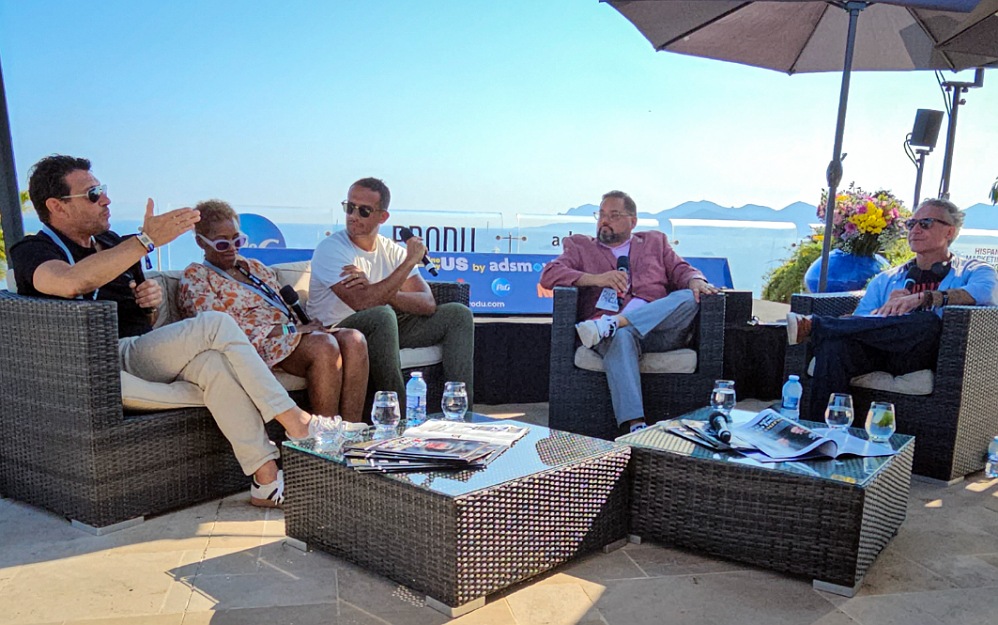
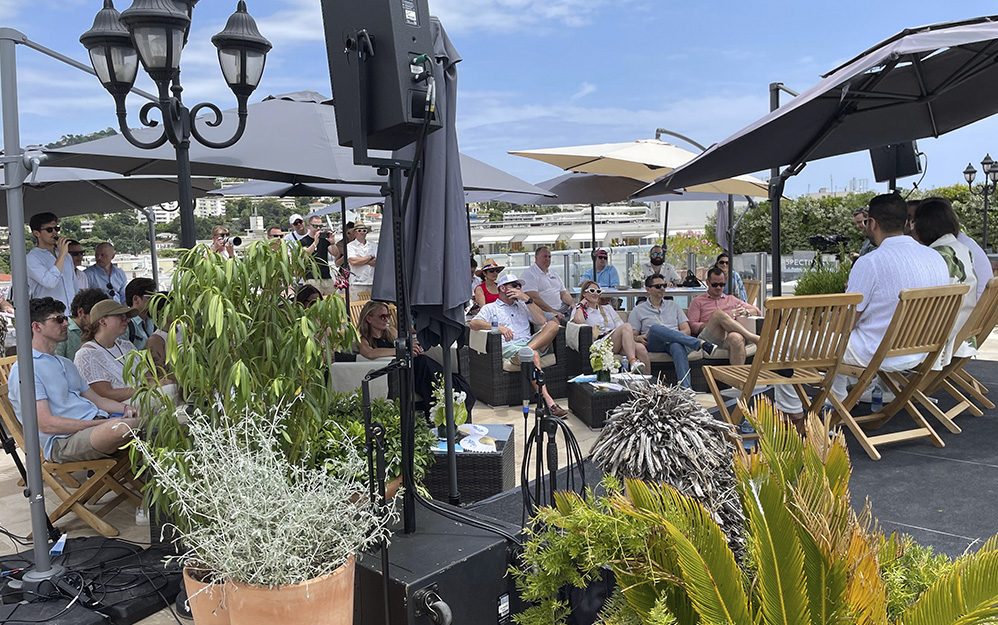
The second annual Latino US Day at Cannes Lions International Festival of Creativity featured a revealing session titled “Understanding and Engaging the U.S. Latino Audience.” Hosted by Advertising Week LATAM and powered by PRODU, this exclusive event amplified the influence of the Hispanic advertising community. The panel extensively examined enduring misconceptions and explored data-driven strategies.
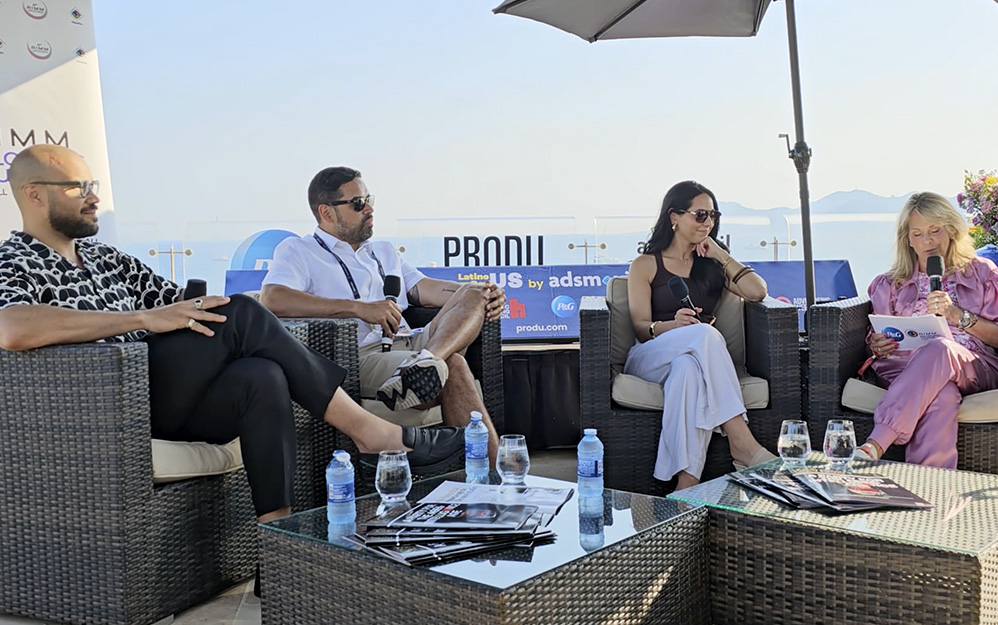
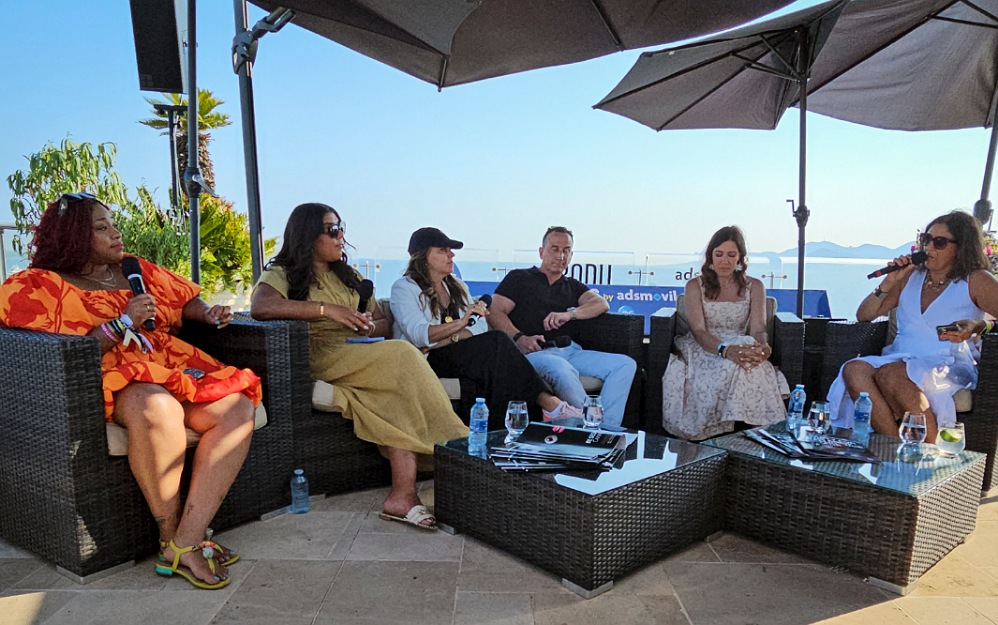
Moderated by Mara Fernández, Chief Transformation Officer of PRODU, the session brought together distinguished panelists: Carla Dodds, CMO, Aaron´s; Michael Roca, Executive Director, Omnicom Media Group; and Alberto Pardo, CEO, Adsmovil.
Carla Dodds addressed a prevalent misconception, especially within the financial services sector: “The misconception is that Hispanics are unbanked, and that ‘unbanked’ is a last resort, not a desire,” she said, highlighting how brands often wrongly assume Latinos lack purchasing power or willingness to spend.
Michael Roca expanded on this, stressing how misperceptions create real barriers. “The ‘low-value consumer’ perception is out there, and it’s unfortunate,” he mentioned. He urged decision-makers to prioritize gaining a deeper understanding of the market segments that fuel their business growth. “If you’re not really connecting with that audience from a place of authenticity, you’re losing out on what you actually think is a high-value consumer,” he added, citing Quick Service Restaurants (QSRs) where “one out of every four people who walk into any QSR is Latino.” He advocated for a “built-in” rather than “bolt-on” approach to U.S. Hispanic marketing, emphasizing that “America is multicultural” and insights into this audience should lead creative and media briefings.
LEVERAGING DATA FOR DEEPER CULTURAL UNDERSTANDING

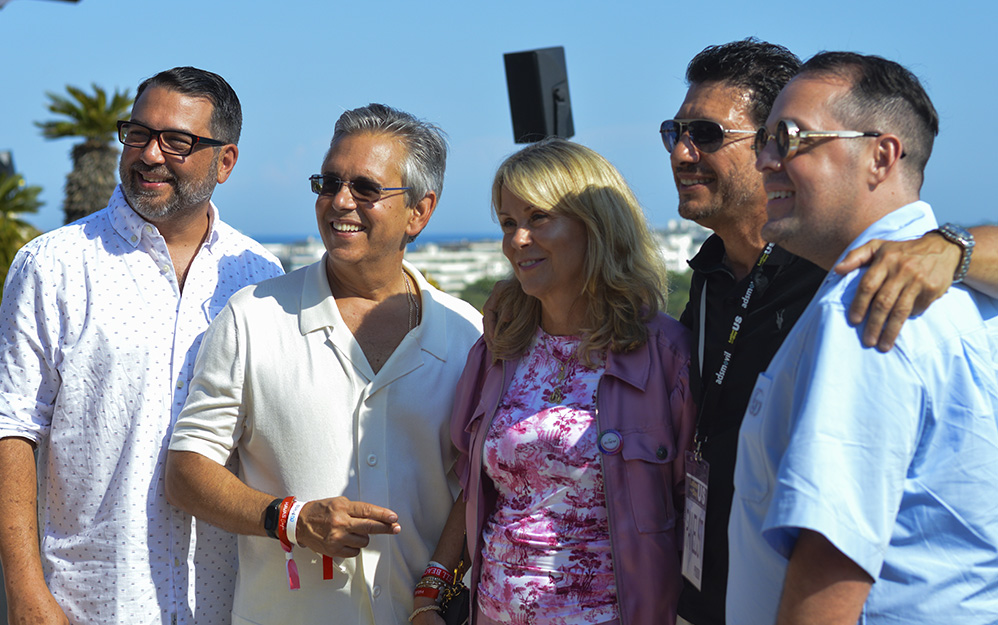
Michael Roca, Carla Dodds, Alberto Pardo, and Mara Fernández
Addressing the role of data, Alberto Pardo highlighted the misconception of treating Latinos as a single demographic group. “I truly think that Latinos are not just one. I think American culture believes that Latinos are just a single segment. Maybe 32 plus more segments because you also need to consider the cultural relevance that Latinos have in the United States,” Pardo claimed, identifying that Argentinians are distinct from Colombians, Venezuelans, or Mexicans. He believes understanding these cultural variations is key to capturing this important sector.
Pardo further explained how modern data empowers this precise targeting. Recalling an anecdote from 2010 about simply using Spanish content, he contrasted it with today’s capabilities. “Right now we have data, so it’s totally different. You can capture the country of origin, if the person really follows Boca Juniors from Argentina. There’s a lot of data, so you can really capture more cultural data, more information about the user, where they go, what they buy — very important with retail media today. You can understand what they search, if they search in Spanish or in English. So you can have a lot of data, a lot of information that you can capture and use correctly.”
When asked about balancing cultural nuances with performance metrics, Roca acknowledged an ongoing data gap. “I think we need more data. There’s still a huge data gap with this audience… there’s a lot of data that’s still missing from 20 years of population that’s not helping our brands in terms of building true business outcomes.”
He noted that Omnicom Media Group’s platform, Omni, boasting over 250 million unique IDs in the U.S., offers a robust data set, yet he acknowledged areas for refinement. “We know where our weaknesses are. There’s still opportunity to build better data sets for Hispanics, so we do reach out, we work with partners, we’re in talks with Adsmovil right now, in terms of how do we enrich our data sets, because we know where there are gaps and where there are opportunities to build better data signals,” Roca said. “The more data signals we have on the consumer, the better we’re able to connect them in the right place, at the right moment, with the right creative.”
Roca wrapped up by highlighting the potential of dynamic creative to move beyond the “monolith” view often held of the Hispanic market. “I think with the advent of dynamic creative, there are opportunities for us to do some really cool things with the Hispanic market. I think a lot of brands still haven’t tapped into that. And, you know, we’re talking about AI, we’re talking about all these things, but I think we have to embrace it because there’s an opportunity for us to really unlock and unleash the true power of the Hispanic consumer.”