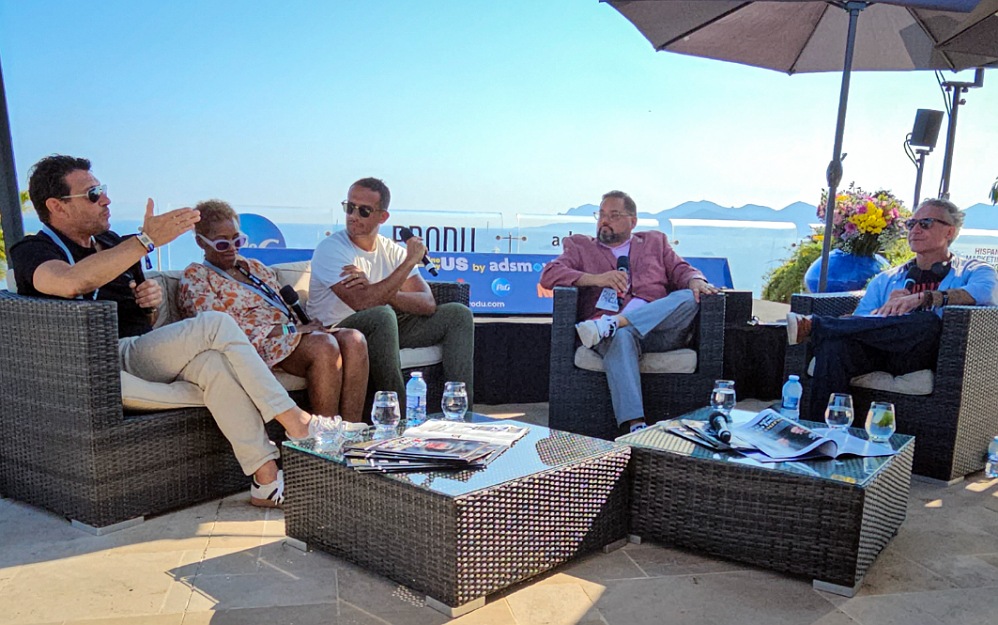
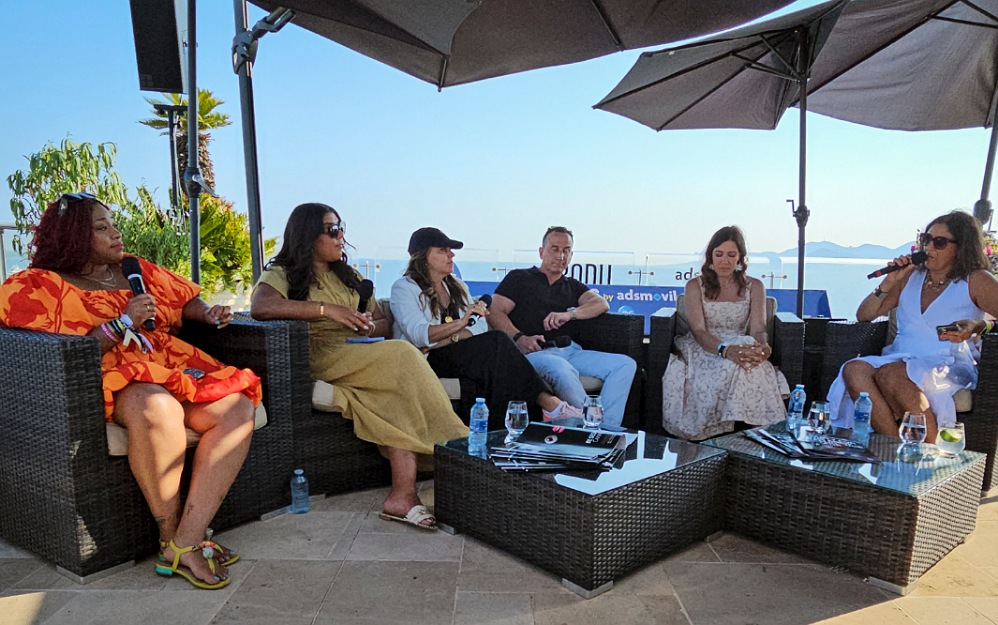
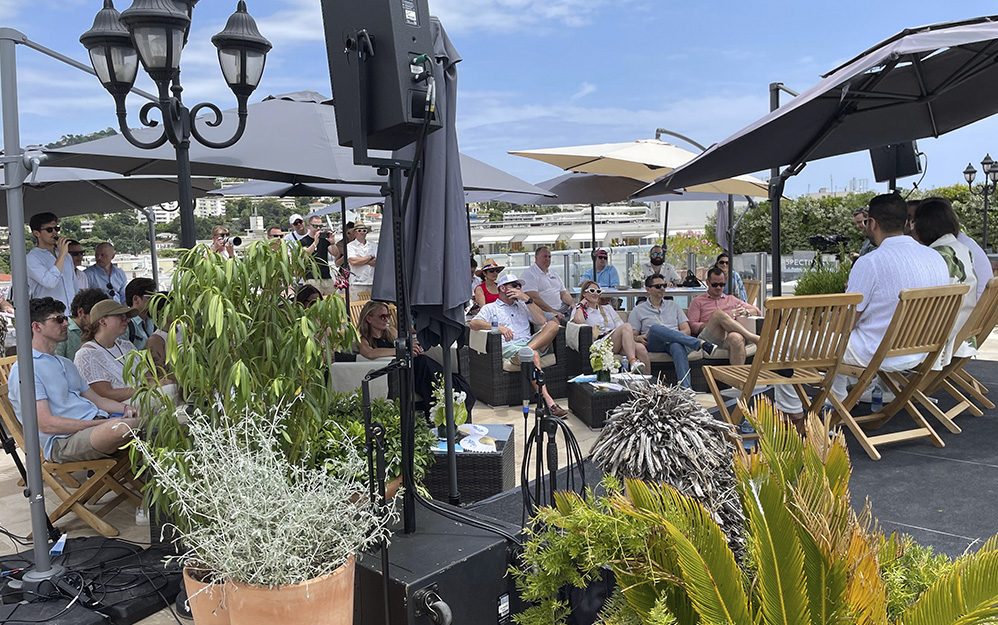
As part of Latino US Day at the Cannes Lions International Festival of Creativity, AIMM hosted a compelling panel titled “Consumer Expectations: Why Culture and Authenticity Can’t be an Afterthought.” The session brought together marketing leaders to explore how integrating culture into every stage of marketing — from strategy and storytelling to media investment — can drive stronger connections, brand loyalty, and measurable impact.
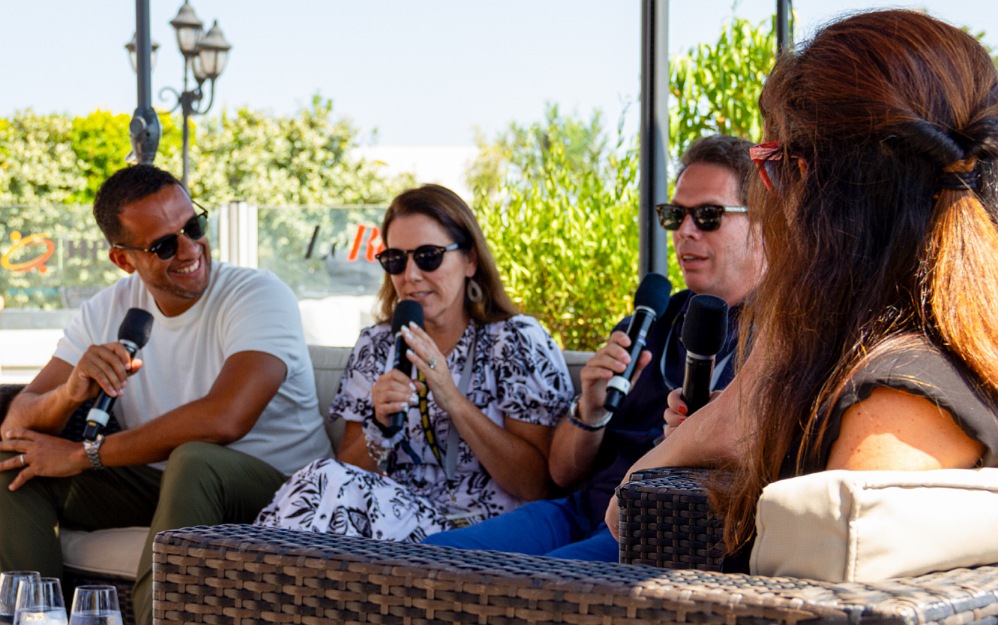
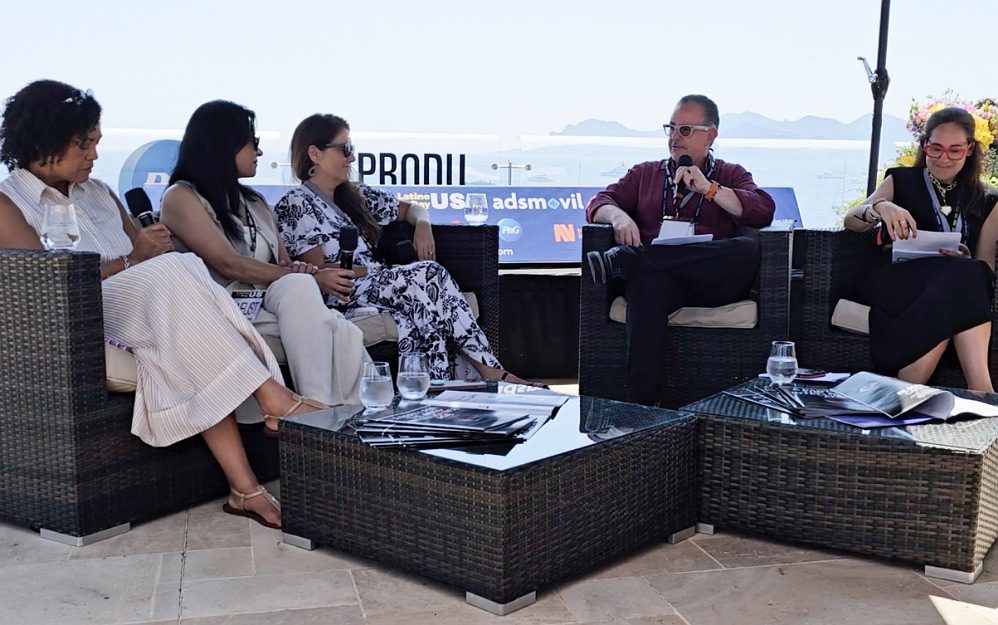
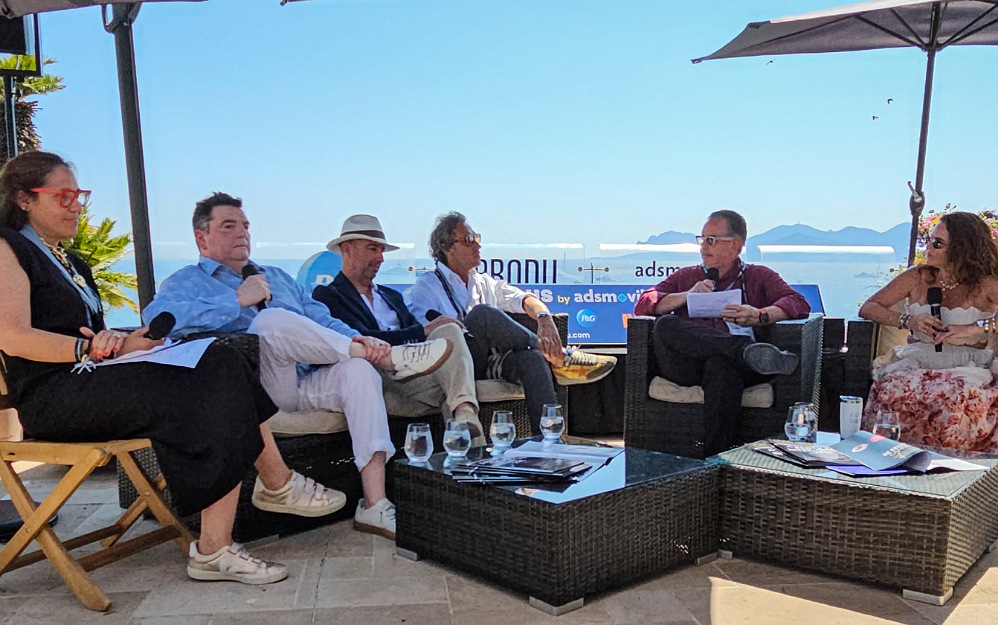
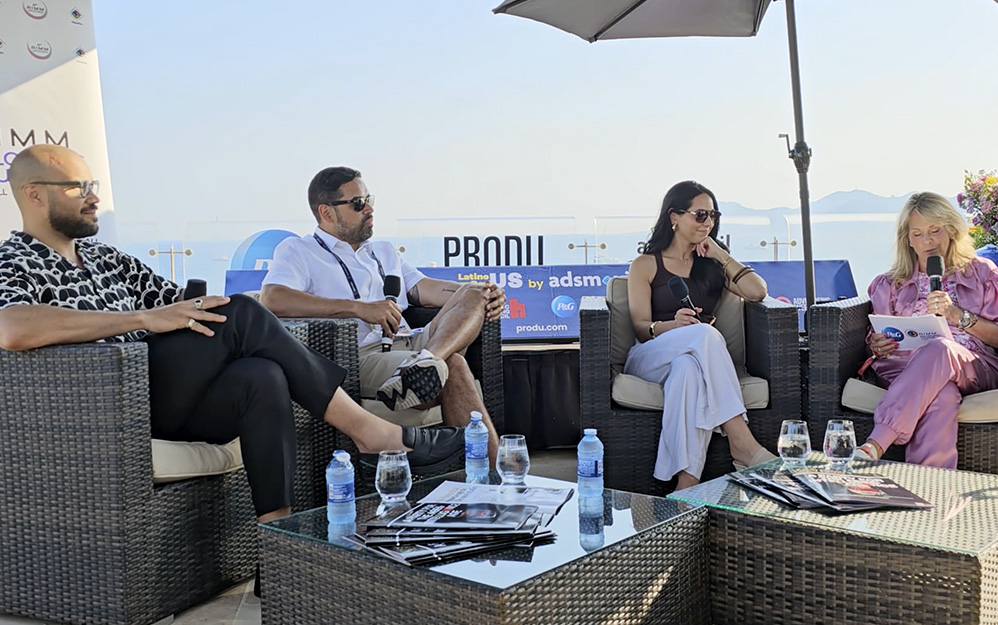
Moderated by Lisette Arsuaga, Co-President and Co-CEO of AIMM, the conversation featured Joshua Ott, Head of Revenue of The Shade Room; Robert Vélez, Vice President, Inclusive Network & LATAM Sales of VEVO; and Christine Issaq, Vice President of Client Partnerships of TelevisaUnivision. Together, they revealed what it means to show up meaningfully for multicultural consumers in an era where expectations for genuine representation are higher than ever.
Joshua Ott, Robert Vélez, Christine Issaq, and Lisette Arsuaga
Arsuaga opened the session by honoring Juneteenth and invoking Malcolm X’s words: “You can’t separate peace from freedom because no one can be at peace unless he has freedom.” This message set the tone for a discussion deeply rooted in respect, relevance, and responsibility.
When asked to define authenticity, Christine Issaq stressed the importance of trying, even if imperfectly: “So many brands are too afraid to mess up that they don’t even attempt to get it right,” she said. “At the very least, it’s trying.” Robert Vélez agreed, emphasizing the importance of telling stories grounded in real community insights. He cited Crazy Rich Asians as an example of a culturally specific story that resonated universally: “It was so specific to their culture, but with a universal arc many could relate to.”
Joshua Ott offered a different take, questioning the use of authenticity as a catch-all term. “Authenticity is a unique, personal pursuit,” he affirmed. “You can’t speak about it broadly from a marketing seat. We need to move beyond monolithic representations and create one-to-one relationships.” He challenged the industry to unpack the vague use of words like “culture,” asking, “how many times have you heard the word culture this week? Somebody define it.”
On the topic of empowerment, each panelist underscored the power of culturally attuned platforms. Ott spoke about The Shade Room’s model, describing its audience as “roommates” who co-create and crowdsource content. “Empowerment for us is giving our community a voice they didn’t have before,” he declared. For Vélez, VEVO’s strength lies in the authenticity of music videos that allow artists to express identity without filters. “They are the original influencers,” he added. Issaq reflected on how TelevisaUnivision connects with multigenerational Latinx audiences navigating “third culture” experiences. “We aim to create an ecosystem that feels like home,” she said.
Trust emerged as a central theme, with all panelists agreeing that consistency is non-negotiable. “Don’t just show up for the flavor of the month,” Vélez stated. “Show up when no one expects you to — that’s how you earn trust.” Ott echoed this, noting the difficulty of staying true to underserved communities when profit motives may tempt platforms elsewhere. “Trust comes from doing hard things that aren’t always financially beneficial,” he commented.
Issaq highlighted real-world examples from the healthcare sector, where trust-building goes beyond media buys. “We organize health fairs where families can talk to Spanish-speaking doctors in their own community,” she said. “It’s about being there for the long haul — not just when we’re asking for money.”
As the session wrapped, Arsuaga underlined the importance of dialogue between brands, media platforms, and communities. Ott agreed: “If you’re just speaking at communities, there’s no relationship — and without relationship, there’s no trust.”
Both Vélez and Issaq shared measurable results that speak to the power of culturally resonant marketing. Vélez cited a Karol G campaign that showed a threefold increase in purchase intent among Hispanic consumers; Issaq noted that Hispanic audiences are 86% more likely to engage with pharmaceutical brands that show up in culturally relevant spaces. “76% of young Latinos don’t feel brands are paying attention to them,” she added. “We have to make them feel seen.”
In a landscape where consumers are voting with their wallets and demanding more from the brands they support, the panel made one thing clear: Culture and authenticity aren’t just boxes to check — they’re the foundation of real connection.