This mental state not only reshapes purchasing priorities but also redefines the emotional relationship with brands
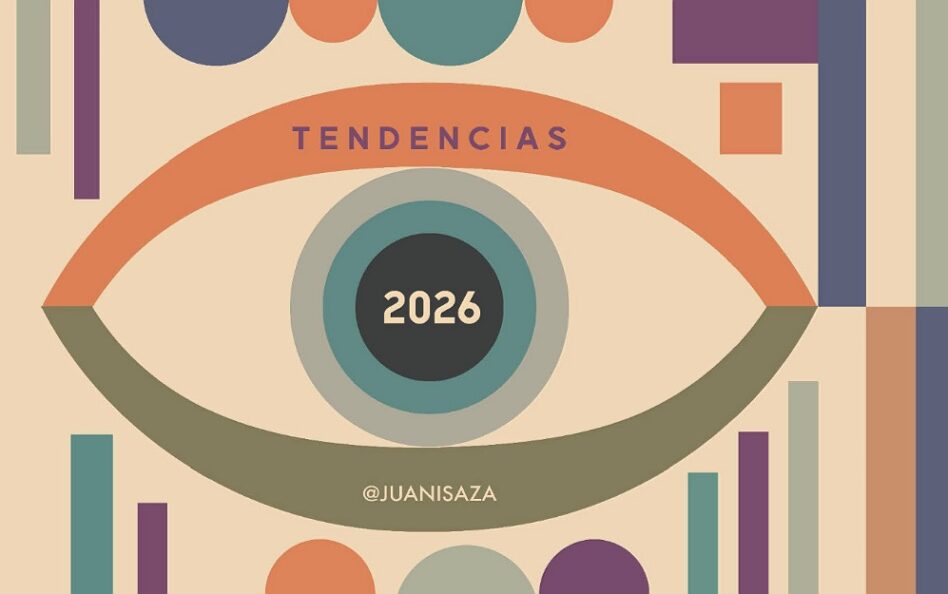
The marketing landscape for 2026 emerges as a critical evolution of the tensions accumulated in previous years, where “uncertainty” ceases to be a buzzword and becomes the material reality of consumers’ lives. According to the annual report presented by Juan Isaza, a renowned strategy expert and current Global Strategy Partner at DDB Worldwide, after a prolonged period of polycrisis and global aggression, society has definitively entered a “survival mode.” This mental state not only reshapes purchasing priorities but also redefines the emotional relationship with brands, forcing companies to abandon grandiose narratives and instead focus on solutions that provide control, security, and tangible relief from the everyday anxiety that dominates today’s environment.
In his analysis, Isaza highlights that the 2026 consumer is seeking refuge in a world perceived as hostile and fragmented. He also argues that the major challenge for brands will be connecting with an individual who prioritizes the “self” as a defense mechanism. In this context, marketing must evolve into a facilitator of micro-moments of stability, helping people navigate a reality in which traditional institutions have lost credibility and the future is increasingly viewed as a threat rather than an opportunity.
The report’s synthesis reveals that survival does not merely imply restrained spending, but rather a pursuit of radical authenticity and more organic community connections. Isaza emphasizes that, amid the rise of artificial intelligence and misinformation, trust becomes the most valuable currency in the market. Trends for 2026 point to an extreme appreciation for simplicity and humanity; the brands that will stand out are those that offer absolute transparency and act as allies in managing mental well-being, replacing aspirational promises of happiness with an offering centered on calm, reassurance, and everyday companionship.
A key aspect of the report is its call for social responsibility and cohesion. Despite prevailing individualism, the analysis identifies a window of opportunity for marketing to foster solidarity and a sense of belonging. Isaza argues that, in the midst of political and economic polarization, brands have the power to serve as bridges that help reconcile societies—provided their commitment is genuine and not merely cosmetic. Strategic adaptability, therefore, becomes a survival tool not only for consumers but also for organizations seeking to remain relevant.
Finally, Juan Isaza’s analysis concludes that 2026 will be the year the industry must demonstrate its emotional maturity. Drawing on a career marked by strategic leadership in global markets and deep knowledge of the Latin American consumer, Isaza invites industry professionals to look beyond cold data and understand the psychology of an audience exhausted by confrontation. Success in this new cycle will depend on brands’ ability to humanize themselves, simplify decision-making, and deliver real value that resonates with society’s growing need for protection and hope in a world of constant transformation.