
U.S. HISPANIC
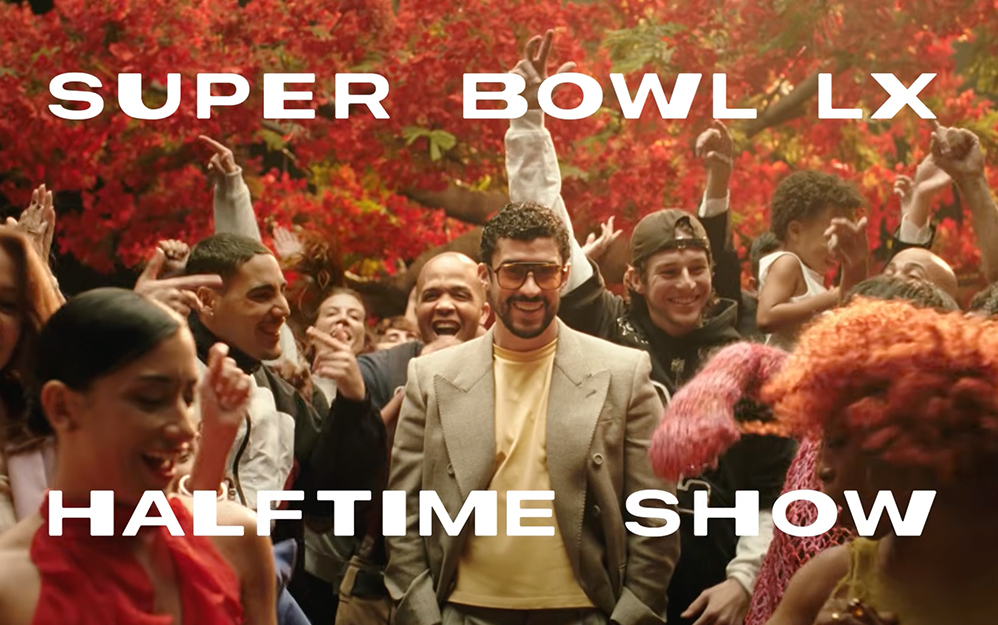
Bad Bunny at the Super Bowl Halftime Show: A Cultural Milestone for Latino Representation
Claudia Smolansky | 6 de febrero de 2026
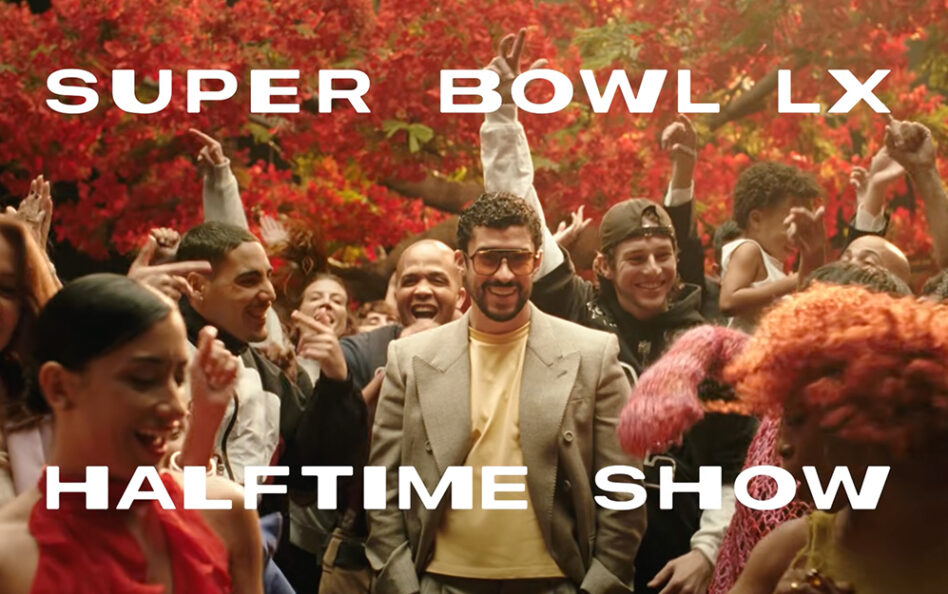
It speaks to a generation that is bilingual, multicultural, digitally native, and unapologetically global
Bad Bunny’s appearance at the Super Bowl Halftime Show marks more than a musical performance on one of the world’s biggest stages. It represents a defining cultural moment for Latino representation in global entertainment, advertising, and sports culture.
The Super Bowl remains the most-watched televised event in the United States, regularly drawing over 100 million viewers, with an increasingly diverse and multicultural audience. Bad Bunny’s presence at the Halftime Show signals a shift that reflects the cultural reality of today’s audience: Latinos are no longer a niche demographic, but a central force shaping mainstream culture.
A Halftime Show That Speaks the Language of a Generation
As one of the most streamed artists globally and a cultural icon whose music is performed primarily in Spanish, Bad Bunny brings Latinidad to the center of an event historically dominated by English-language pop and rock acts. His selection underscores the growing influence of Latino audiences in the U.S. and worldwide, particularly among younger viewers who consume culture without language barriers.
This moment resonates far beyond music. It validates Spanish as a global pop language and positions Latino culture not as an “add-on,” but as a core driver of mass appeal.
Latinidad, Visibility, and the Business of Culture
Bad Bunny’s halftime appearance arrives at a time when brands are increasingly aligning with cultural relevance rather than broad, generic messaging. For advertisers, the Super Bowl is not just about reach — it’s about resonance. A halftime show led by Bad Bunny reframes how brands think about multicultural audiences, moving away from segmented strategies toward culturally fluent storytelling.
Latino audiences represent one of the fastest-growing and most influential consumer groups in the U.S., with disproportionate impact on music, fashion, sports, and digital culture. Bad Bunny’s visibility on this stage reflects that economic and cultural power.
From the Stage to the Ecosystem: Duolingo, NIL, and Cultural Capital
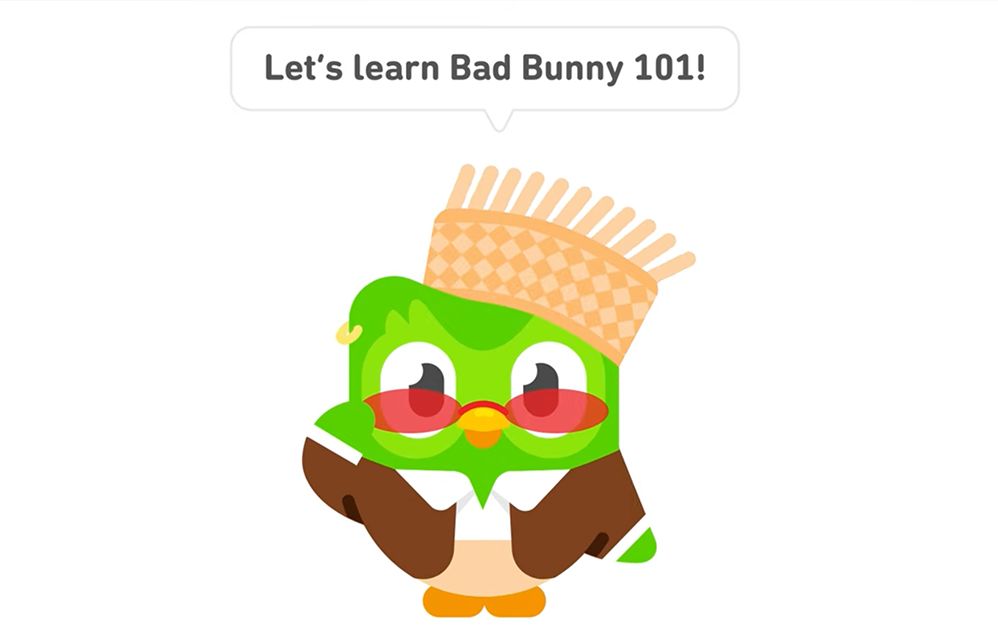
The impact of Bad Bunny’s halftime show extends beyond the performance itself. Brands have already begun activating around the moment. Duolingo, for example, has tapped into the cultural conversation by positioning Spanish not just as a language, but as a cultural currency — using humor, social engagement, and pop relevance to connect language learning with entertainment.
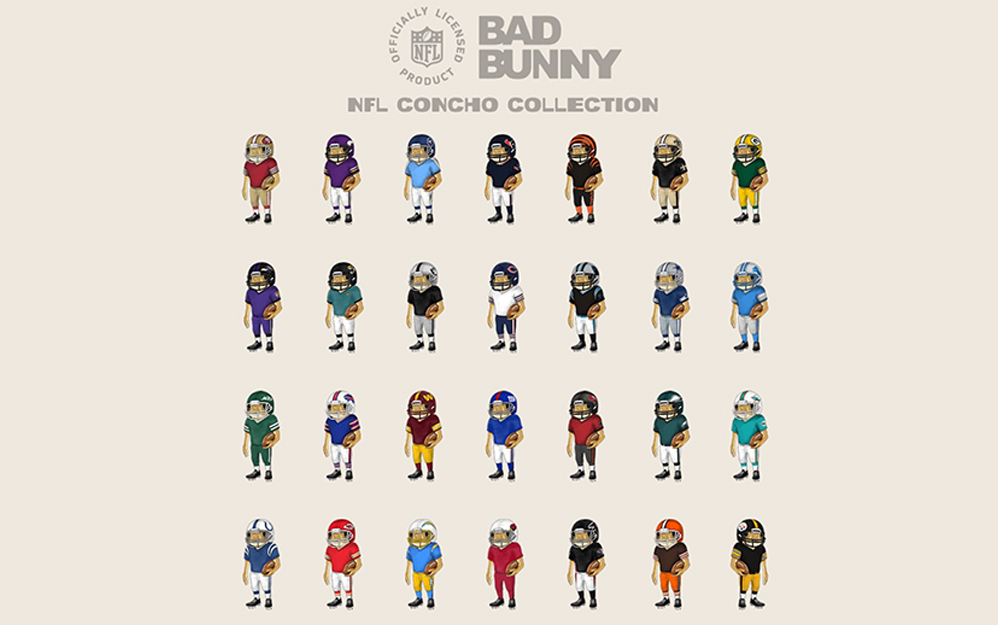
At the same time, the broader cultural economy surrounding the Super Bowl — including NIL (Name, Image, and Likeness) partnerships, athlete branding, and creator-led commerce — reflects how cultural icons like Bad Bunny influence value creation across industries. His presence reinforces the idea that culture drives commerce, not the other way around.
A Moment That Goes Beyond the Game
The Super Bowl Halftime Show has long been a mirror of cultural power. Bad Bunny’s participation signals a redefinition of what — and who — that power represents today. It speaks to a generation that is bilingual, multicultural, digitally native, and unapologetically global.
More than entertainment, this halftime show becomes a statement: Latino culture is not emerging — it has arrived, and it is shaping the future of mainstream media, marketing, and identity on the world’s biggest stage.


Diario de Hoy
|
viernes, 27 de marzo de 2026 |
Noticias relacionadas (4)
29 de enero de 2026
Duolingo Turns Bad Bunny’s Halftime Show Into a Spanish Lesson
29 de enero de 2026
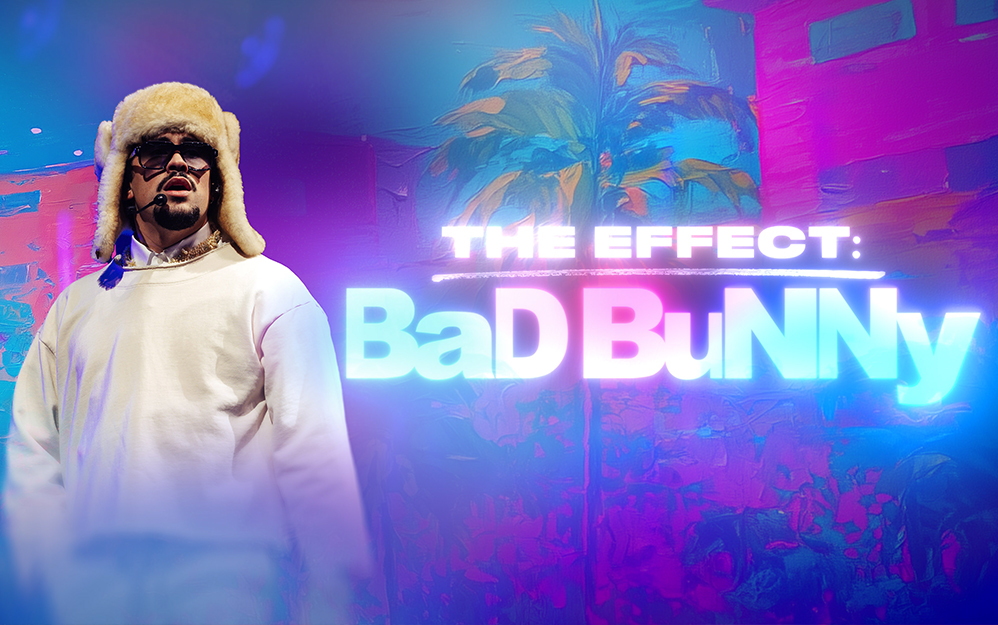
Docu-series The Effect: Bad Bunny Debuts on Telemundo-Owned Stations
16 de enero de 2026
Bad Bunny Previews Super Bowl LX Halftime Show in New Apple Music Trailer