U.S. HISPANIC
Elizandra Granillo-Espinoza of Collage: “Hispanic Consumers Demand Nuance, Not Stereotypes”
20 de marzo de 2026
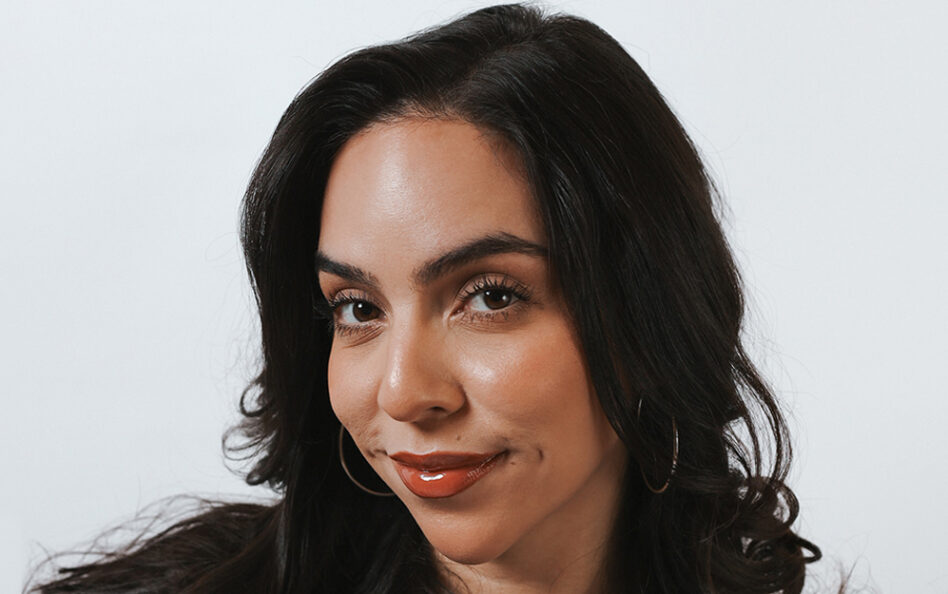
Elizandra Granillo-Espinoza, Research Manager, Cultural Insights at Collage
As brands race to connect with the rapidly growing U.S. Hispanic audience, industry leaders are calling for a deeper, more intentional approach—one that moves beyond surface-level representation and into cultural precision.
For Elizandra Granillo-Espinoza, Research Manager, Cultural Insights at Collage Group and a jury member of the Hispanic Marketing Council’s Strategic Excellence Awards, the challenge is clear: the industry must catch up with the sophistication of the audience it aims to reach.
“The Hispanic Marketing Council plays a crucial role in elevating standards because it fosters a genuine commitment to modern Hispanic representation,” Granillo-Espinoza says. “There’s still a disconnect between the economic power we bring and the level of cultural commitment brands demonstrate.”
That gap, she explains, is not just about visibility—it’s about accuracy, nuance, and respect. While Hispanic consumers continue to shape trends, drive growth, and influence mainstream culture, many campaigns still rely on outdated or superficial cues.
“Anyone can add a reggaeton or salsa beat to a campaign and claim it’s ‘for us,’” she notes. “But what truly makes a campaign award-worthy is attention to detail and cultural specificity. Latinos know when brands have done their homework—because we so rarely see our real nuances represented on screen.”
Granillo-Espinoza points to a recurring issue in campaigns targeting binational audiences. As a Mexican American woman living in a border region, she has observed that many ads reduce this group to a narrow narrative.
“Most of the messaging we see is from telecom companies selling connectivity abroad,” she says. “But we are so much more than that. Our culture is rich, complex, and deserves to be portrayed as such.”
Looking ahead, she sees a powerful shift underway: Hispanic consumers are increasingly embracing their role as cultural stewards, actively exploring language, traditions, and identity—often on their own terms.
“There’s a growing curiosity around Spanish, around heritage, around reinterpreting traditions in the U.S.,” she explains. “People want to see themselves as they truly are—whether that’s speaking perfect Spanish, imperfect Spanish, or Spanglish.”
This evolution opens the door for brands willing to rethink their strategies. In a time marked by economic pressure and changing consumer behaviors—such as a rise in domestic travel—Granillo-Espinoza believes marketers must rethink how they build emotional connection.
“The question for brands is: how can you make people feel safe, happy, and seen at home?” she says.
Beyond cultural representation, she also highlights the entrepreneurial and technological momentum within Hispanic communities, noting that they are starting businesses at higher rates and adopting innovation more quickly than the general population.
Her advice to brands looking to stay ahead is direct: “If you want to innovate strategically, hire more Latinos.”
The upcoming 2026 FIFA World Cup—set to take place across the United States, Mexico, and Canada—presents a major opportunity for brands to put these insights into action on a global stage. Granillo-Espinoza emphasizes the importance of recognizing often-overlooked audiences, particularly Latina sports fans.
“Latinas are among the most expressive fans when it comes to team pride, especially through fashion and beauty,” she says. “Game day is not just about sports—it’s about identity, community, and self-expression.”
However, she also warns against narrow demographic assumptions. “Brands tend to focus on younger audiences, but ageism is a real issue. It’s essential to represent older Latina fans as well,” she adds.
Ultimately, she sees the World Cup as a moment to embrace linguistic creativity and cultural authenticity. “There’s a huge opportunity to lean into cultural specificity and wordplay—there are endless ‘porras’ and expressions within Hispanic fandom,” she says.
As the industry looks to the future, one message stands out: meaningful connection with Hispanic audiences won’t come from shortcuts. It will require investment, representation, and a willingness to understand a community that is not only growing—but redefining the cultural landscape of the United States.


Diario de Hoy
|
lunes, 23 de marzo de 2026 |