U.S. HISPANIC
Lisette Arsuaga of DMI Consulting: “If You Ignore Culture, You Leave Growth on the Table”
20 de febrero de 2026
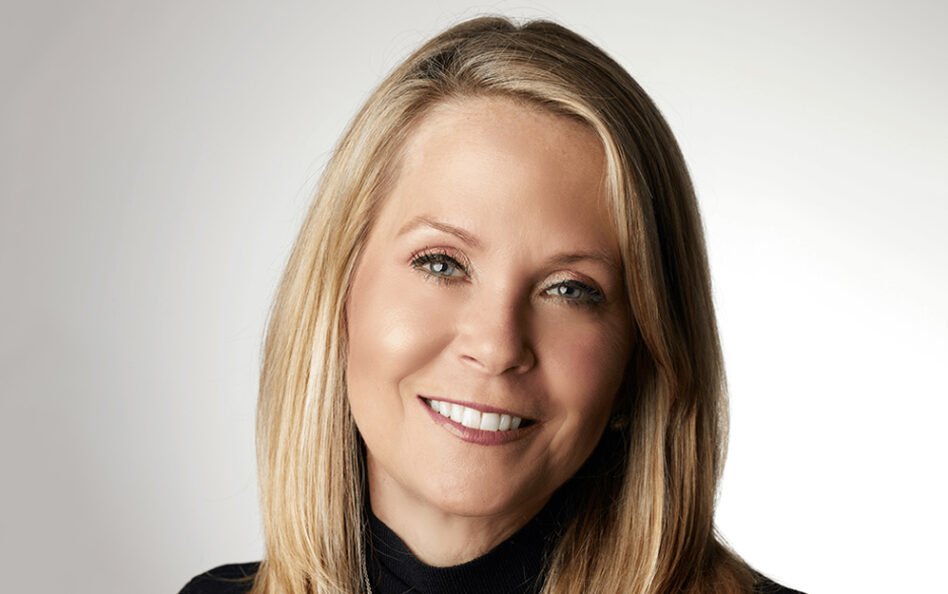
Lisette Arsuaga, co-president and co-CEO of DMI Consulting
At a time when brands are searching for new growth in a complex and fragmented marketplace, Lisette Arsuaga, co-president and co-CEO of DMI Consulting believes the answer is not complicated — it’s cultural. Arsuaga, longtime leader within the Association of National Advertisers (ANA), has spent nearly a decade challenging the marketing industry to rethink how it approaches inclusion.
“This is not about altruism,” she says. “It’s about intelligence. Inclusive marketing is smart growth.”
The 16% Wake-Up Call
In 2016, through the Alliance for Inclusive and Multicultural Marketing (AIMM), ANA leaders surveyed member companies to understand how brands were investing in multicultural audiences. Most companies believed they were effectively reaching diverse consumers.
But when asked how many had dedicated budgets specifically allocated to Hispanic, Black, Asian, or LGBTQ+ audiences, only 16% said yes. “There was a massive gap between perception and reality,” Arsuaga explains. “The industry had decided that putting diverse faces in ads was enough. It wasn’t.” Representation without cultural relevance does not drive business results.
From Fragmented Efforts to One Unified Alliance
For years, the ANA operated several inclusion-focused initiatives: AIMM focused on multicultural growth; SeeHeraddressed gender equity in media; and other efforts targeted older consumers, LGBTQ+ communities, people with disabilities, and ethnic audiences. Each initiative created impact — but in silos.
“We were preaching to the choir,” Arsuaga says. “We were reaching the companies that already understood the value of inclusive marketing — but not the full ANA membership.”
The Solution Was Consolidation
The ANA launched the See All Marketing Alliance (SAMA), bringing AIMM, SeeHer, and the ANA Multicultural practice together under one umbrella within its Inclusive Marketing Practice. The goal: unify expertise, simplify access, and embed inclusive marketing into the growth strategy of all 1,600 ANA member companies.
SAMA’s message is clear: reaching consumers through culture is not a separate initiative — it is central to corporate growth.
The Super Bowl Test: Visibility Is Not Impact
To move beyond theory, SAMA evaluates advertising through cultural inclusion measurement tools developed under AIMM. Each campaign is analyzed across seven key cultural segments. More than 350 ads have been evaluated — including recent Super Bowl campaigns — measuring not just representation, but cultural resonance and impact.
The Results Are Revealing
According to Arsuaga, 66% of evaluated ads leaned overwhelmingly white in representation. Even when diversity was visible, many ads scored only in the second or third quartile in cultural relevance. “Putting a Hispanic, Black, Asian, or LGBTQ+ face in an ad does not automatically mean you are connecting with that audience,” she says. “Representation is not the same as resonance.”
In fact, year-over-year comparisons of Super Bowl ads showed that many brands that previously scored higher in cultural effectiveness declined in rankings — suggesting stagnation, not progress. For Arsuaga, this signals a major missed opportunity.
“The Super Bowl is one of the biggest marketing stages in the world. If we are not authentically reflecting the cultural richness of this country there, we are leaving growth on the table.”
Arsuaga is candid about the industry’s shortcomings. First, fear has replaced opportunity. “We are making decisions from fear — fear of backlash, fear of making mistakes — instead of focusing on growth,” she says. Second, inclusion has often been treated as an HR initiative rather than a growth strategy.
“It’s not about putting five Hispanics and three Black people in an ad,” she notes. “It’s about having the right cultural insight inside your organization and inside your creative process.”
Third, many companies lack diverse perspectives at decision-making levels. Without cultural expertise at the strategy table, campaigns default to a single worldview — limiting relevance and impact.
Finally, the industry has confused visibility with effectiveness. “We’ve mistaken representation for results,” Arsuaga says. “They are not the same.”
Recommendations: How the Industry Can Improve
Arsuaga believes improvement requires structural change, not surface adjustments.
1. Tie inclusion to growth metrics: Inclusive marketing must be directly connected to ROI, sales lift, and brand health metrics — not positioned as a side initiative.
2. Invest with intention. Dedicated budgets matter. Without financial commitment, inclusion remains symbolic.
3. Embed cultural intelligence early. Cultural insight must inform strategy from the beginning — not be added at the end of the creative process.
4. Diversify perspectives at the decision table. Internal teams need broader viewpoints to ensure campaigns resonate authentically.
5. Measure and hold brands accountable. Data-driven cultural measurement — like SAMA’s ad scoring — should become industry standard practice.
Growth Requires Inclusion
For Arsuaga, the distinction between corporate growth and inclusive marketing is false. “You cannot talk about corporate growth in the United States without talking about inclusion,” she says. “If you ignore large portions of the population, you are choosing slower growth.” SAMA’s mission is not ideological. It is economic.
“If you want to maximize ROI, you must reach everyone,” Arsuaga concludes. “And the only way to reach everyone is to understand their culture.”