U.S. HISPANIC
Luis Miguel Messianu of MEL: “Latino Culture Is No Longer Asking for a Seat, It’s Setting the Agenda”
10 de febrero de 2026
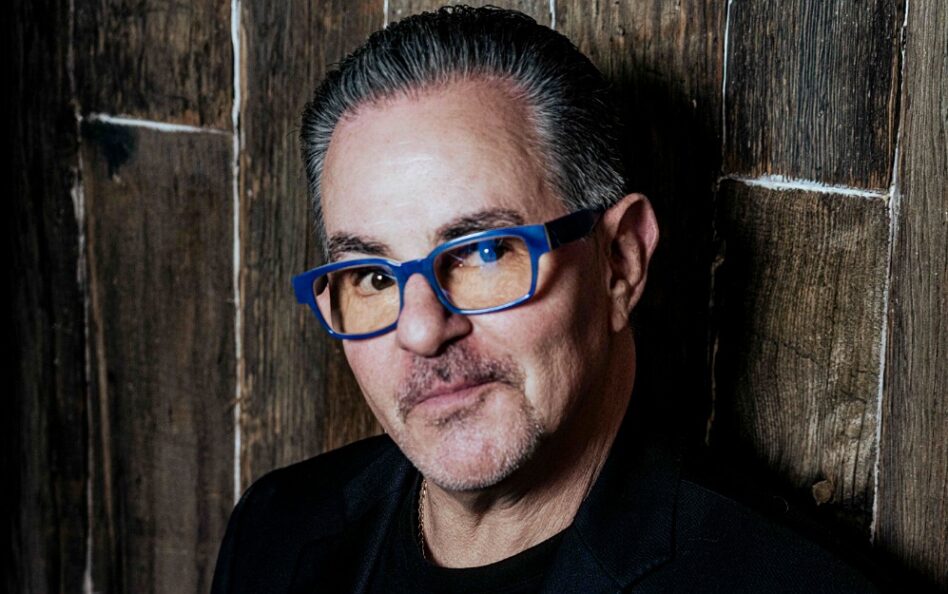
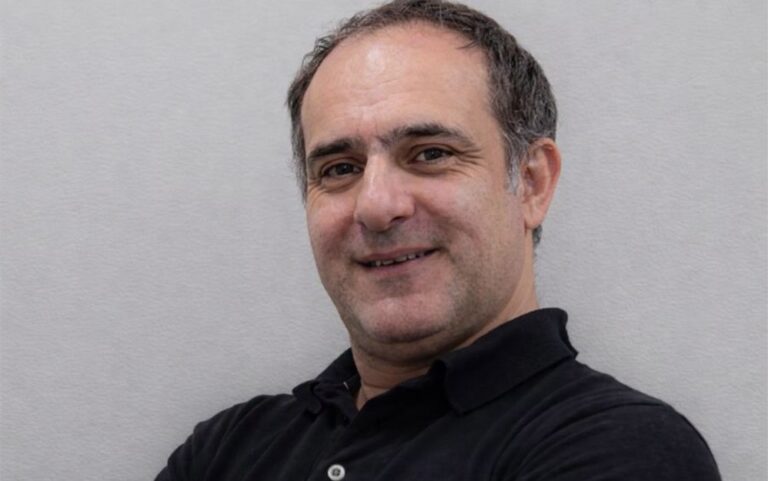
Luis Miguel Messianu, Founder-President-Chief Creative Officer of MEL
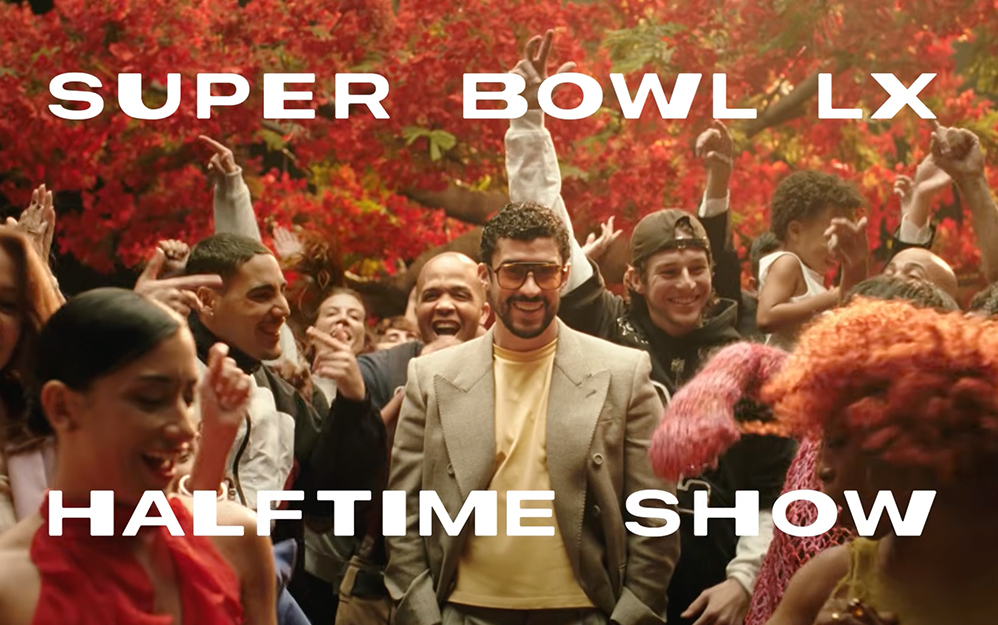
The Super Bowl 2026 halftime show headlined by Bad Bunny marked more than a musical milestone—it confirmed a cultural shift that has been building for years. According to Luis Miguel Messianu, Founder-President-Chief Creative Officer of MEL, the moment makes one thing clear: Latinos in the United States are no longer asking for inclusion—they are defining the cultural conversation.
From Messianu’s perspective, the NFL did not “give” space to Latino culture; it responded to a cultural reality it can no longer ignore. “Latino culture is essential for the league to remain relevant,” he notes, framing the halftime show not as a gesture, but as a strategic necessity rooted in audience evolution.
From Visibility to Cultural Influence
The presence of a predominantly Spanish-language show, with deeply Latino aesthetics and storytelling, carried symbolic and practical weight. Broadcast to more than 100 million viewers, the halftime performance legitimized Spanish and Latino culture at the most mainstream media event in the country.
What stood out, Messianu explains, was not only the continued growth of Latino viewership, but the expansion of Latino influence across broader conversations. Non-Hispanic fans engaging with Spanish lyrics, alongside political and media debates about Latino representation at the center of American pop culture, reflected a shift from passive visibility to active cultural leadership.
Strategic Lessons for Brands
For brands looking to connect with Hispanic audiences, Messianu identifies three key takeaways. First, he emphasizes the need to move from translation to culture. Adapting general-market campaigns into Spanish is no longer sufficient. Audiences expect stories that originate within culture, not those retrofitted at the end of the creative process.
Second, Messianu points to Spanish as a strategic choice, not a liability. The Super Bowl halftime show demonstrated that addressing the country in Spanish is no longer a risk—it is a way to lead and shape national conversation.
Finally, he highlights the importance of listening over appropriating. The Latino community, he notes, wants to be a creator, not a backdrop. For brands, this means co-creating with Latino talent and partners rather than relying on surface-level gestures of diversity.
AI, Creativity, and the Hispanic Audience
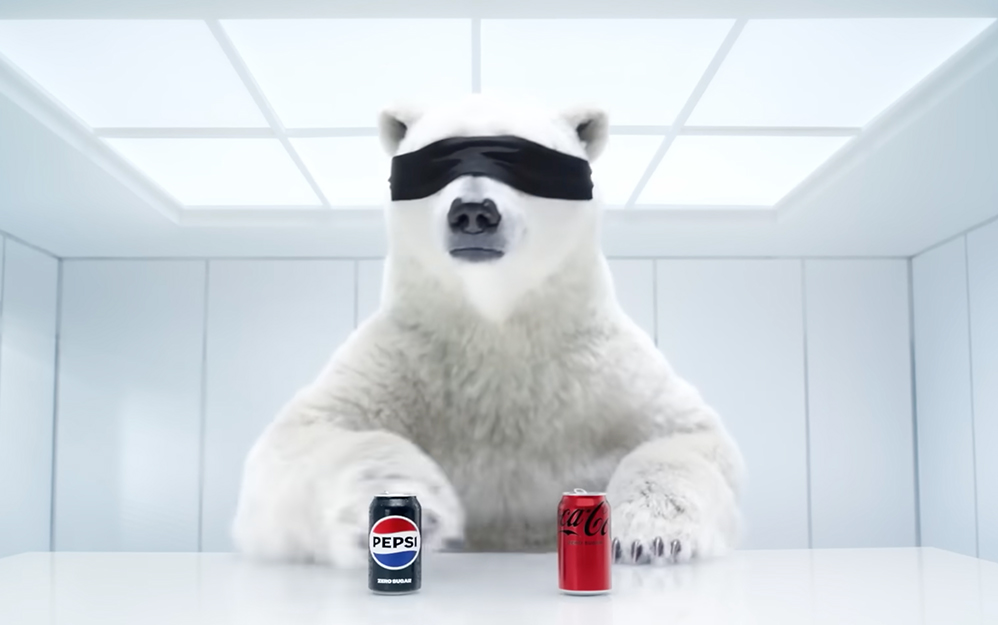
Super Bowl 2026 also underscored the growing role of artificial intelligence in creative processes. Many brands are already using AI to generate ideas, test reactions in real time, personalize messaging, and scale content across platforms.
In the Hispanic market, Messianu sees both opportunity and risk. On one hand, AI enables cultural hyper-personalization, helping brands understand nuances between Mexican, Caribbean, South American, and other Latino communities, and tailor language, references, and context accordingly. It also allows for faster testing and better calibration of tone, claims, and visuals—potentially encouraging brands to take bolder cultural positions.
On the other hand, he warns that authenticity can quickly erode if campaigns begin to feel algorithm-driven. Hispanic audiences, he notes, are particularly adept at identifying what is genuine and what is opportunistic.
For Messianu, the balance is clear: AI should function as a co-pilot, not the pilot. While technology can expand possibilities and efficiency, cultural judgment and emotional insight must remain in human hands—specifically, in teams that live and understand the culture they aim to represent.
Ultimately, the formula is straightforward: technology to amplify and refine, humans to feel and tell stories. When that balance is respected, AI can strengthen connections with Hispanic audiences. When it isn’t, it risks flattening the very culture brands seek to engage.

Etiquetas

Contactos

Empresas


Diario de Hoy




Noticias relacionadas (4)
10 de febrero de 2026
Flor Leibaschoff of BeautifulBeast: “The Latino Voice Is No Longer Background Noise”