
U.S. HISPANIC
Shoppable Media: The Future of the U.S. Hispanic Market
12 de diciembre de 2025
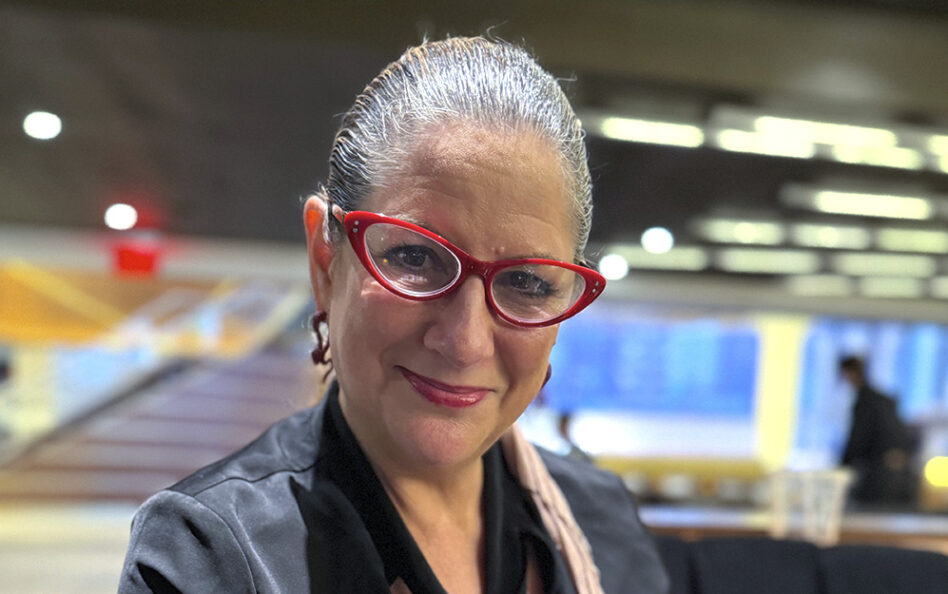
Adriana Waterston, Executive VP of Insights & Strategy at Horowitz Research
The future of advertising and commerce within the U.S. Hispanic market is rapidly moving toward the convergence of content and direct purchasing—a trend known as shoppable media. According to Adriana Waterston, Executive VP of Insights & Strategy at Horowitz Research, this format, combined with organic social media content, will be the definitive key to meeting advertiser expectations in the coming years.
“For me, the most interesting topics in our research this year are the connections between social media, traditional or long-form media, and shoppable video,” said Waterston. “Shoppable media is the future of the Hispanic market. That is where we will truly fulfill the expectations of advertisers and Hispanic media companies. Shoppable media is ready to explode; it’s going to take off in the next few years.”
Closing the Funnel: From Mobile to CTV
Waterston noted that while the technology is already established on mobile platforms like TikTok and Amazon, the historical challenge has been integrating it into traditional television and Connected TV (CTV), alongside a previous reluctance from agencies. However, consumer behavior is shifting the tide.
“The reality is that people are going to accept it—in fact, they already are,” Waterston explained. “Our data has consistently shown that Hispanics are early adopters of these technologies. We are young, digital-first, and mobile-first. We are consumers to the core. I believe Hispanics will be the ones to drive this business to its peak.”
The primary advantage of shoppable media lies in its attribution and measurable success. “Nothing proves market value like money in the bank. Shoppable media closes the marketing funnel. If the results show you sold ‘X’ millions of a product, those are the exact measurements you need,” she added.
The Shift to Organic, Social-First Content
Another vital trend identified by Horowitz Research is the recognition of short-form and social content as an indispensable part of the media ecosystem. Waterston emphasized that traditional media companies must stop treating social platforms as mere promotional tools for long-form content.
“Traditional media companies are finally realizing that you can’t just take your long-form content and chop it into little pieces. You have to create organic social content,” Waterston remarked, noting that even major players like Discovery are shifting toward more authentic, platform-specific strategies.
Cultural Connection and Tech Leadership
Regarding audience behavior, Waterston highlighted how social media allows for a more intimate and personalized cultural connection. Hispanic and Black consumers are currently leading this activity, using social platforms to engage with specific niches of their cultural identity.
“Hispanics, like all multicultural groups, are the heaviest users of social media and are the most active across multiple platforms,” Waterston concluded. “Culture can be experienced in a very special and unique way there. It’s a way to connect culturally not just with the Hispanic market at large, but with your specific corner of that market. Hispanics and Black consumers are always at the forefront of these trends.”


Diario de Hoy
|
martes, 24 de marzo de 2026 |