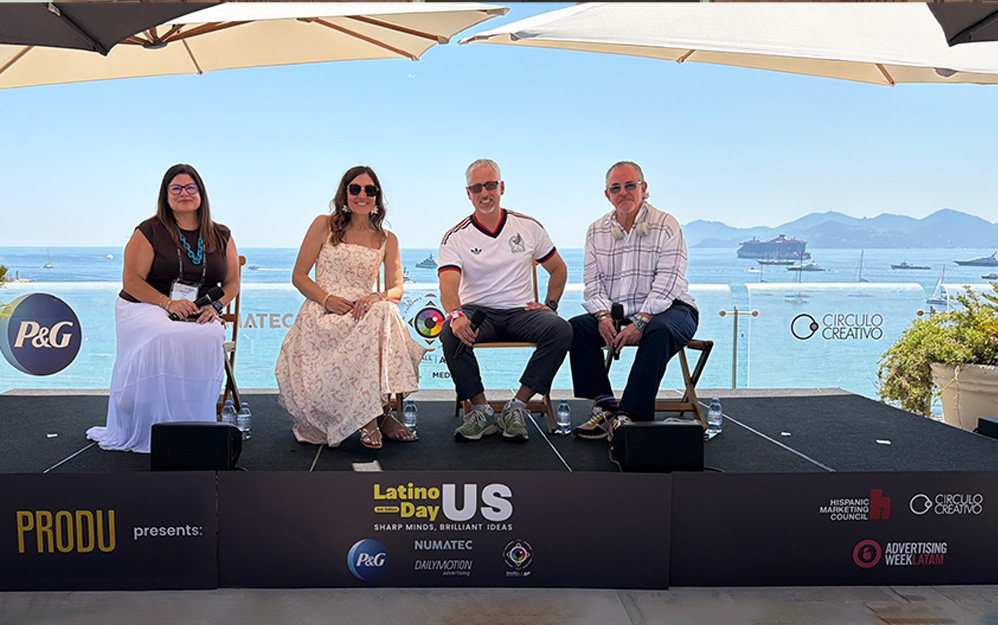
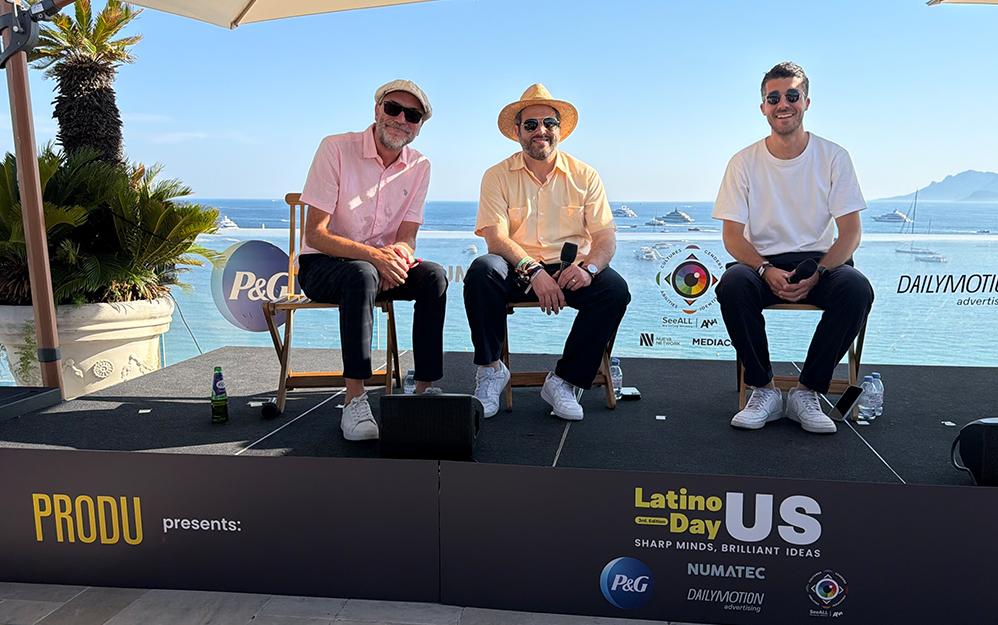
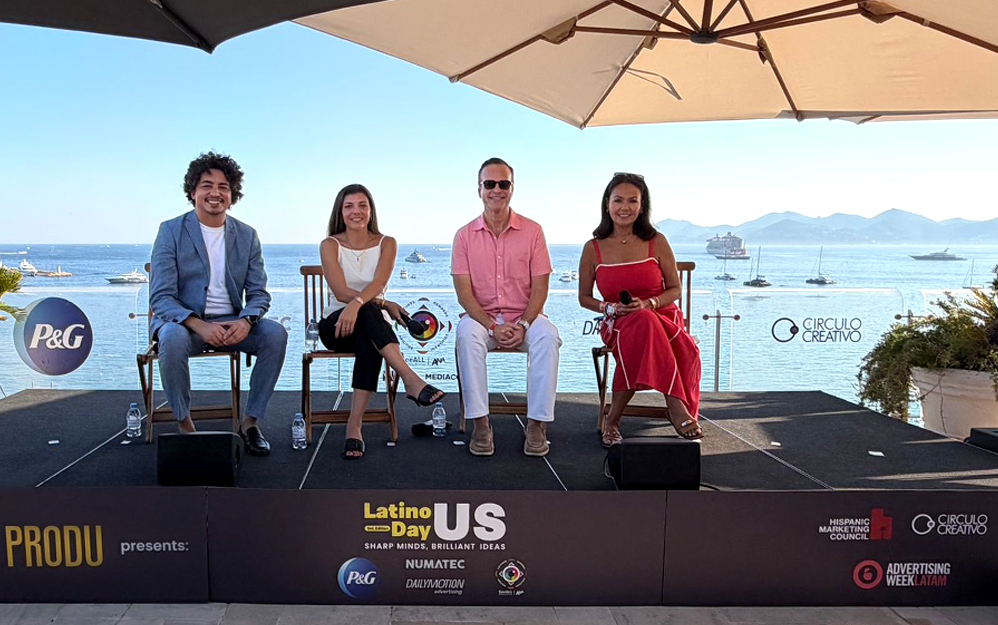
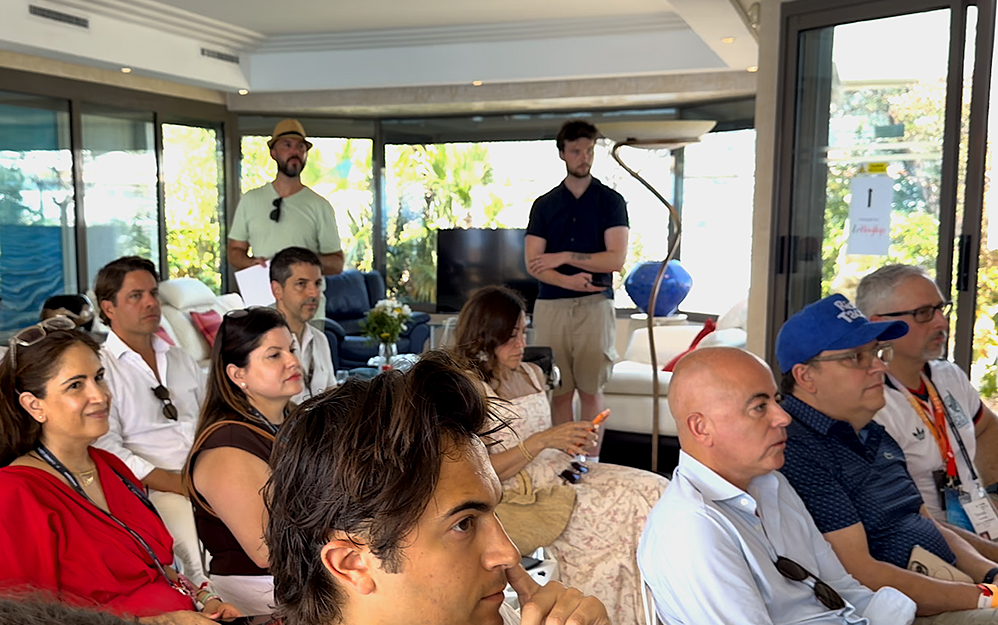
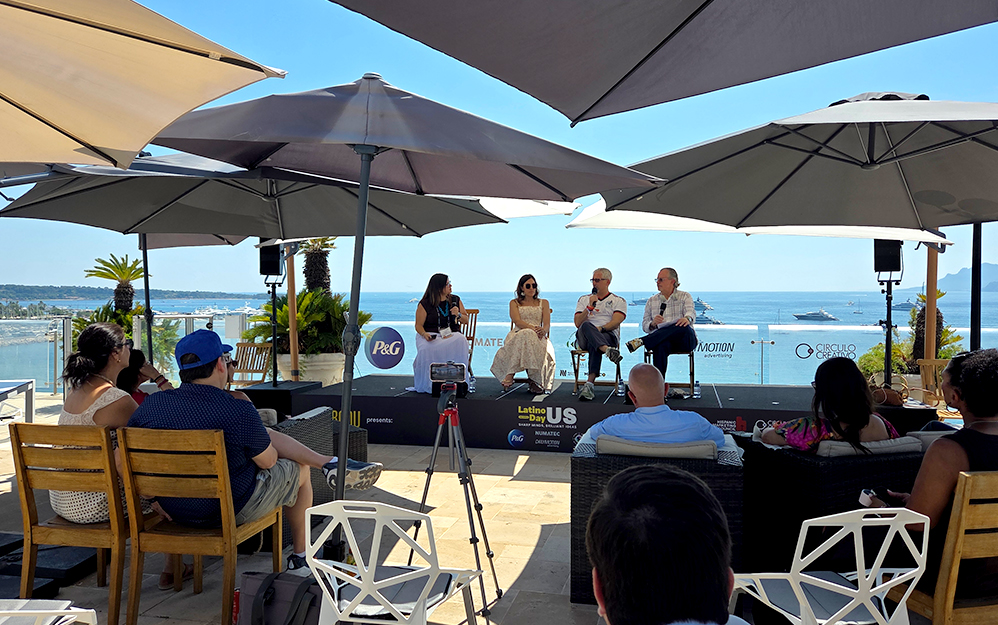
Artificial intelligence is transforming marketing at unprecedented speed, but the future of creativity will still depend on human insight. That was the central message of “The New Cultural Playbook Where Creativity, AI & Entertainment Collide” a session presented by Numatec during Latino US Day 2026 at Cannes Lions.
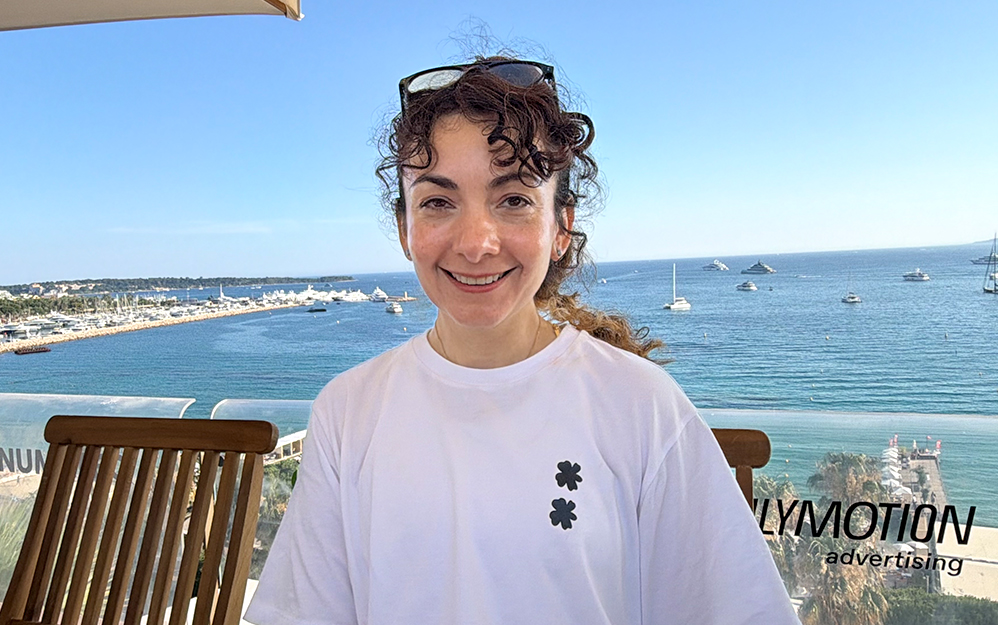
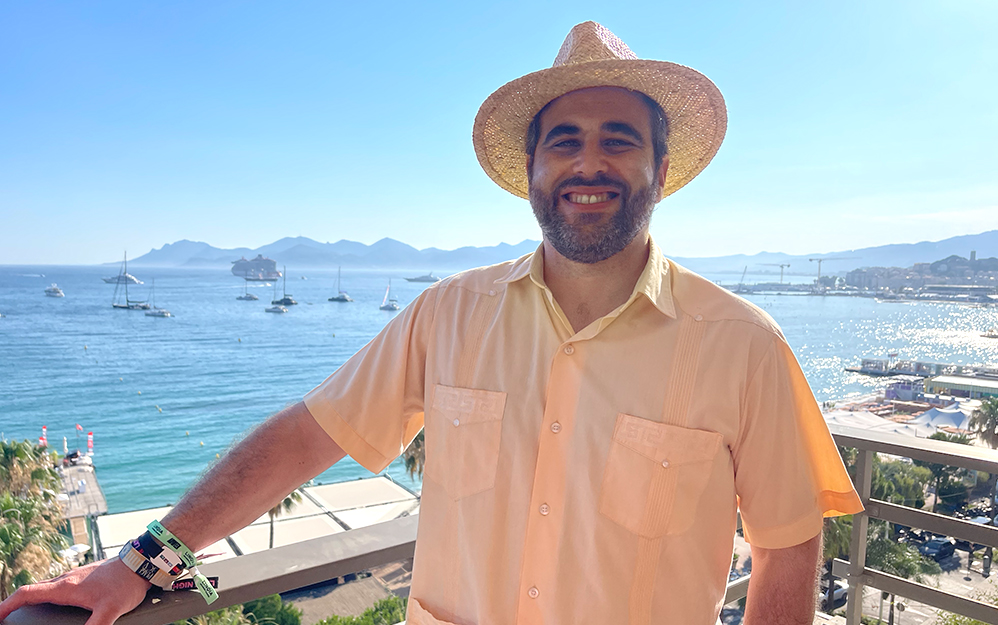
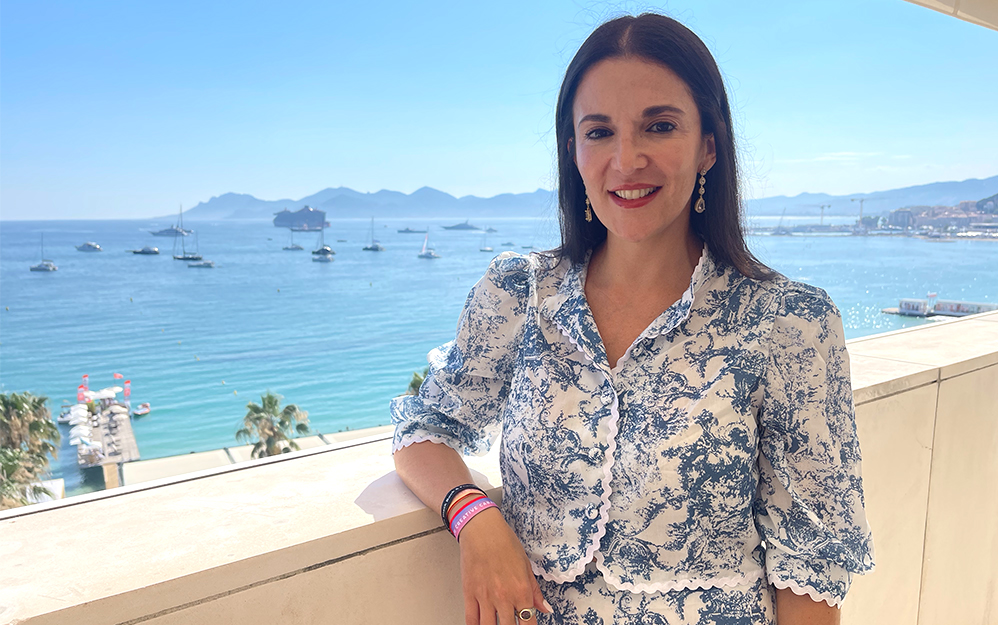
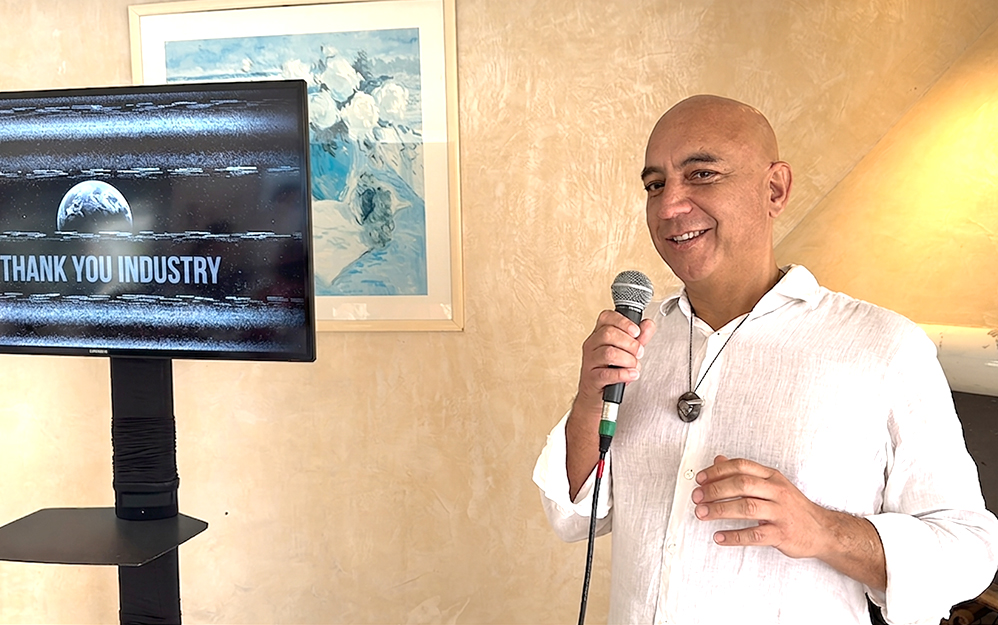
Moderated by Roko Izarra, CEO of PRODU, the panel brought together Manny Ruiz, CEO of Minivela, Nicolás Álvarez Schiano, Senior Brand Manager of Tecate, Giuliano Stiglitz, CEO of Numatec, Diana Lozada, Marketing Director Regional Brand & New Categories, Indio/Heineken México, and John Maxwell, CEO of Sangria who explored how brands can embrace AI without losing the human understanding that makes culture meaningful.
While panelists acknowledged AI’s growing role across the industry, none viewed it as a substitute for human creativity. John Maxwell argued that AI is increasingly automating the repetitive work that once trained young creatives, making taste and judgment the industry’s greatest competitive advantage.
“We need to stop marketing to consumers and start mattering to people,” he said, echoing a principle he believes should guide the next generation of creative work.
Manny Ruiz agreed, explaining that AI has become an invaluable production tool, helping teams streamline budgets, planning and operational workflows. However, he emphasized that storytelling should remain fundamentally human.
Ruiz pointed to one of Minivela’s recent projects with Albertsons and Procter & Gamble, where AI was used to improve efficiency while every creative decision remained in human hands.
He also warned that AI’s evolution is happening much faster than most marketers realize. “The changes we expected to see four years from now may happen within the next year,” he said.
For Diana Lozada, coexistence—not competition—is the right framework. She explained that Heineken uses AI to make smarter investment and media decisions, but believes creativity remains the only way to truly connect emotionally with consumers.
Nicolás Álvarez Schiano shared a similar concern, warning that brands relying on AI as their “brain” rather than as a tool risk producing indistinguishable work.
“If everyone creates the same way,” he suggested, “everything starts looking the same.”Throughout the discussion, panelists repeatedly returned to one idea: technology is valuable only when it helps uncover authentic human insights.
Ruiz reflected on how dramatically AI has evolved in just three years—from generating primitive images to producing content that is becoming nearly impossible to distinguish from reality.
He expressed concern that the industry will soon need reliable ways to identify AI-generated content, arguing that technological progress must be accompanied by ethical responsibility.
Culture creates stronger brands than advertising alone
Rather than focusing exclusively on technology, much of the conversation centered on campaigns that generated cultural impact. Diana Lozada presented Indio’s campaign built around Mexico’s postal codes.
Instead of allowing ZIP codes to remain symbols of social stigma, the brand transformed them into badges of neighborhood pride. Consumers were invited to redesign beer labels inspired by the art and identity of their own communities, turning local culture into the campaign itself.
“It’s much more powerful than simply pushing advertising through media,” she explained. John Maxwell shared another example from Copa Airlines during Panama’s first FIFA World Cup appearance.
Rather than purchasing FIFA sponsorship assets, the brand collaborated with artists including Rubén Blades to create Sube la Marea, a song that became an authentic anthem embraced by Panamanian fans across stadiums and streets. For Maxwell, brands create lasting value when they contribute to culture instead of interrupting it.
Purpose-driven platforms generate lasting engagement
Nicolás Álvarez Schiano showcased Tecate’s long-term platform centered on national pride. One initiative focused on guaranteeing public access to beaches that had been illegally privatized, reinforcing the belief that “Tecate never leaves a Mexican behind.”
Another, Welcome Back Paisano, supports Mexicans deported from the United States by helping them operate neighborhood convenience stores, giving returning migrants opportunities to rebuild their lives through entrepreneurship. Rather than traditional campaigns, Álvarez Schiano described these initiatives as ways for the brand to create tangible social value while strengthening its cultural relevance.
Lozada also highlighted Heineken’s Paga Después initiative, inspired by Mexico’s traditional tandas savings system. The program provides financing opportunities for small neighborhood store owners who often lack access to formal credit, positioning the brand as a business partner rather than simply a supplier.
According to Lozada, that type of meaningful support transforms customers into the brand’s strongest advocates.
The next playbook will be built around humanity
As the discussion concluded, panelists agreed that the industry’s biggest challenge is no longer deciding whether to adopt AI. Instead, the real question is how to use technology to amplify human creativity, cultural understanding and meaningful storytelling.
Ruiz warned brands against retreating from multicultural audiences amid political pressures in the United States, arguing that future population growth—and therefore market growth—will continue to come from increasingly diverse communities.
Maxwell cautioned against producing endless volumes of AI-generated content simply because technology allows it.
Using Bohemian Rhapsody as an analogy, he noted that no algorithm in 1975 would likely have predicted that a six-minute rock opera with no traditional chorus would become one of the world’s greatest hits.
For him, human taste remains irreplaceable. Lozada predicted that within just a few years, brands focused solely on selling products without creating genuine connections will appear outdated.
Álvarez Schiano concluded with what became the session’s defining takeaway: The question is no longer whether to embrace AI—but how to use it to deepen human insights, strengthen cultural relevance and create ideas that people genuinely care about.