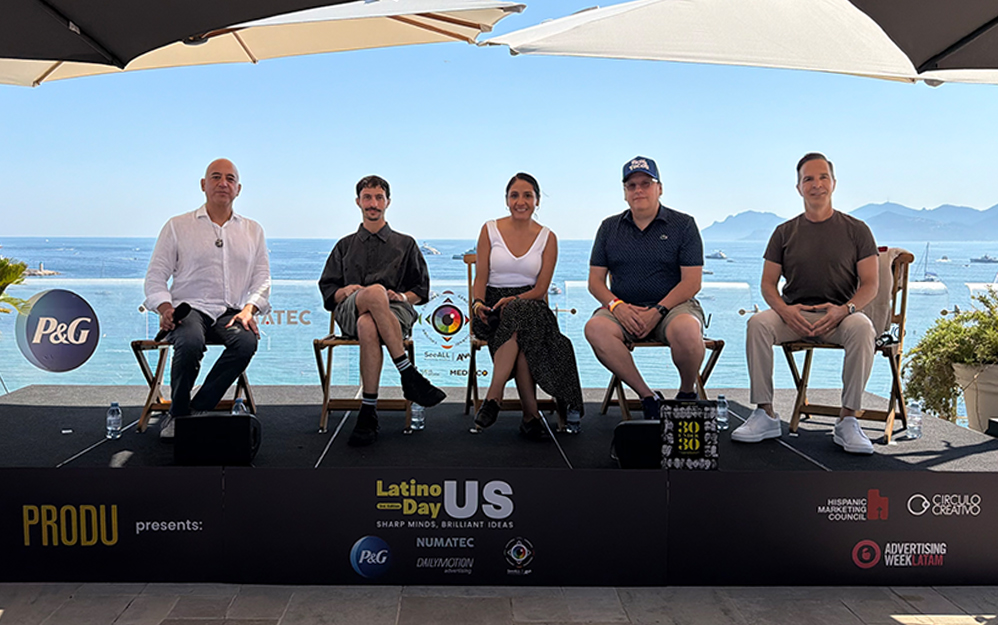
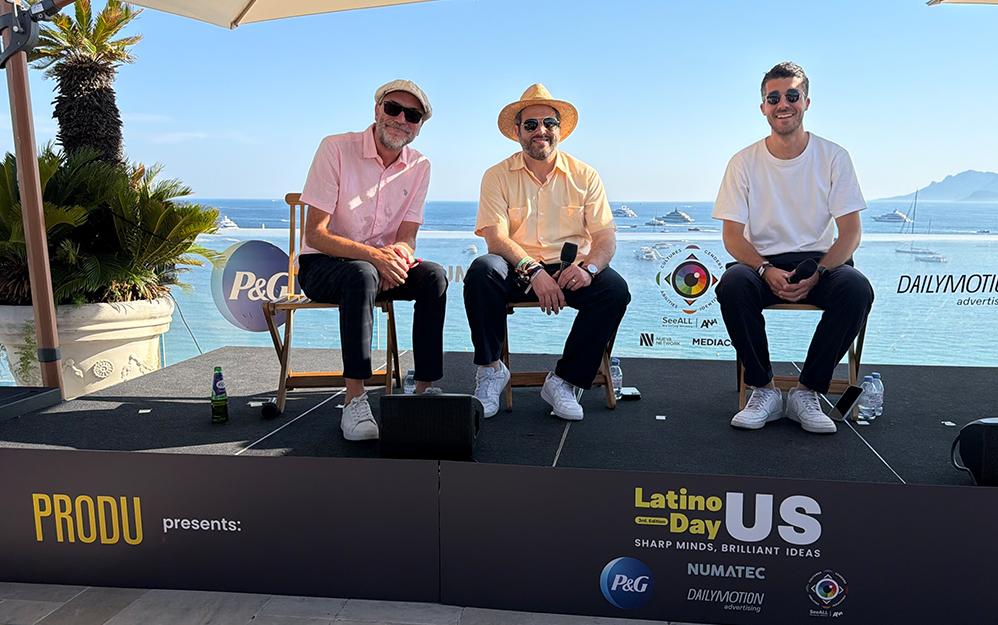
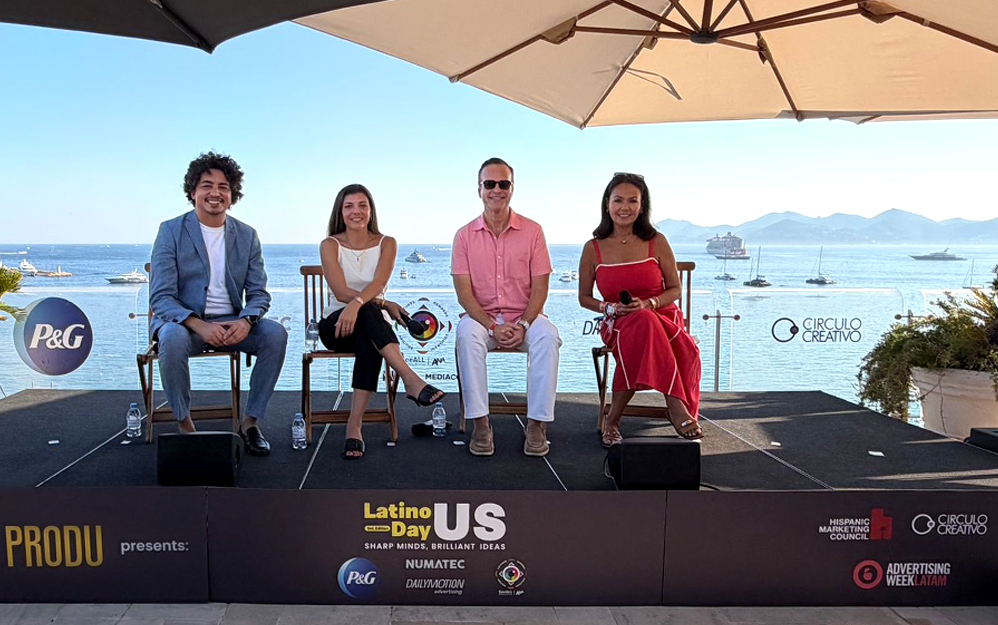
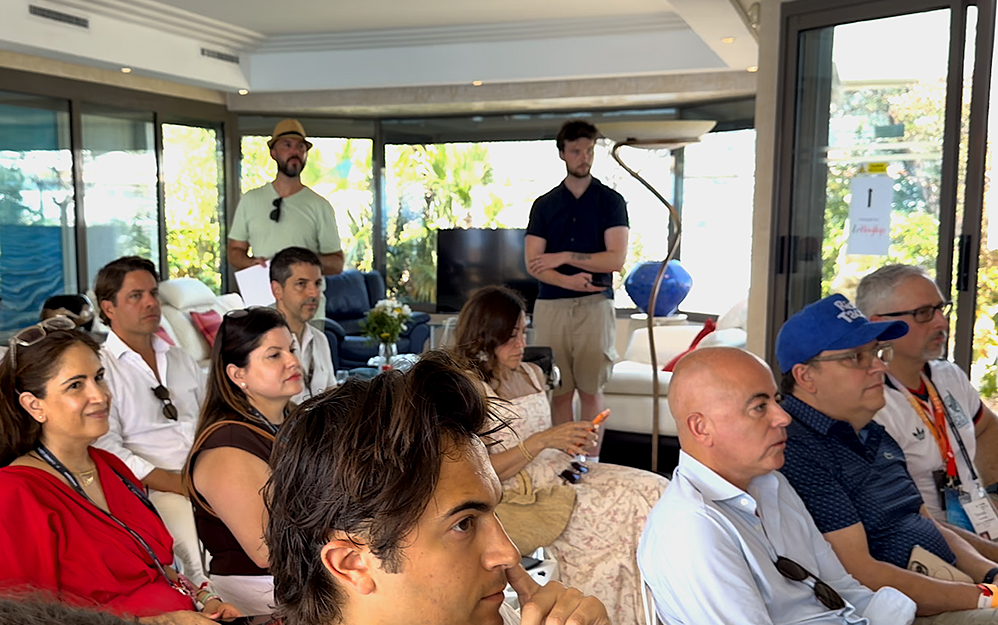
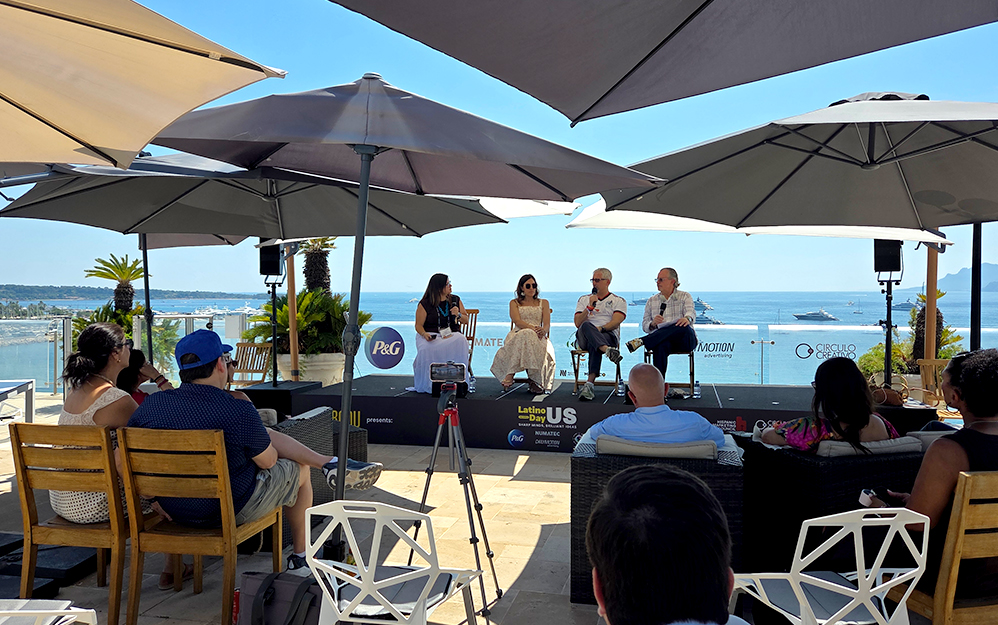
During the third edition of Latino US Day at Cannes Lions 2026, organized by Advertising Week LatAm powered by PRODU, the program featured networking sessions, panel discussions, fireside chats, editorial coverage and opportunities for industry leaders to connect, all with the goal of amplifying the influence of the Hispanic and Latino community within the global marketing and advertising industry.
As part of the agenda, the P&G session, “The Human Edge: Marketing in the Age of Artificial Intelligence,” brought together leaders from MEL, Nielsen, and Avocados From Mexico to discuss how brands can balance AI-driven scale, automation and efficiency with the human qualities of creativity, judgment and cultural intelligence when engaging global, multicultural and Latino audiences.
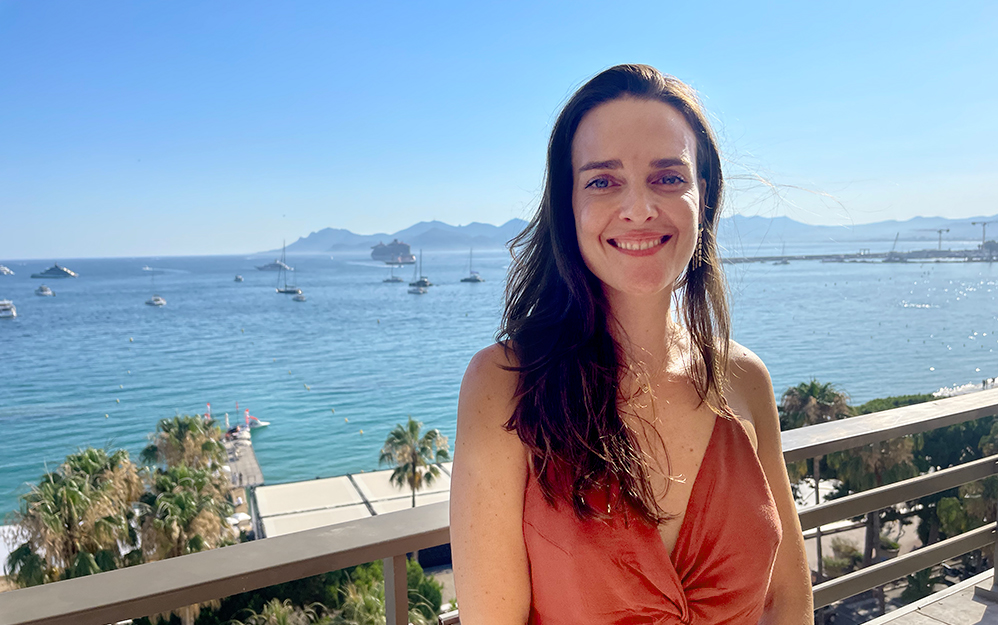
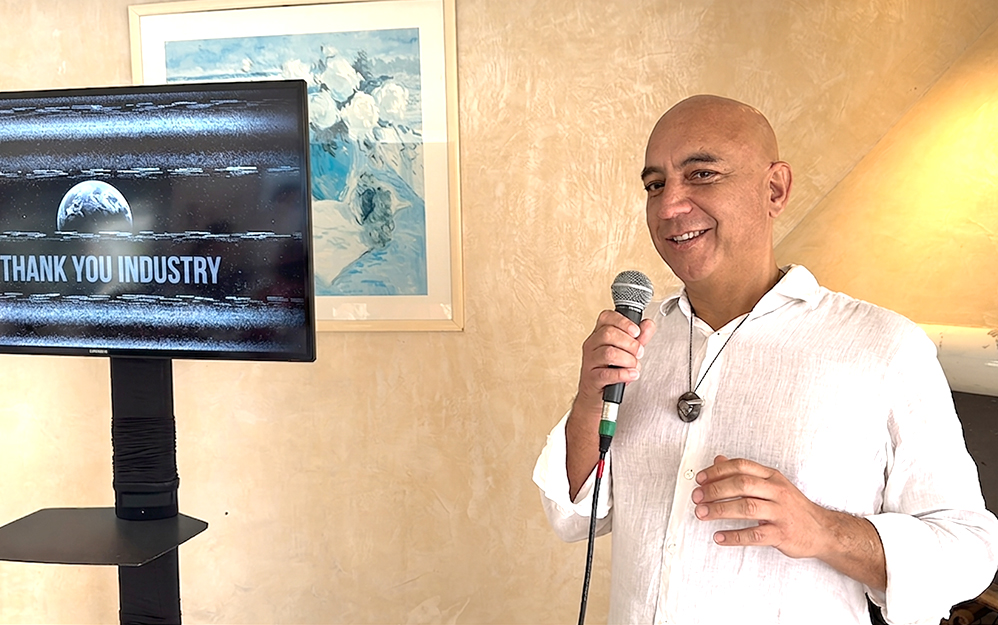
Roko Izarra, CEO of PRODU, welcomed attendees and thanked P&G for making the session possible. He also recognized Mara Fernández, PRODU’s CTO, for her contributions as a driving force within the industry. With that, Izarra opened a conversation centered on one of the dominant themes of Cannes Lions 2026: the impact of artificial intelligence on creativity, marketing and Latino communities.
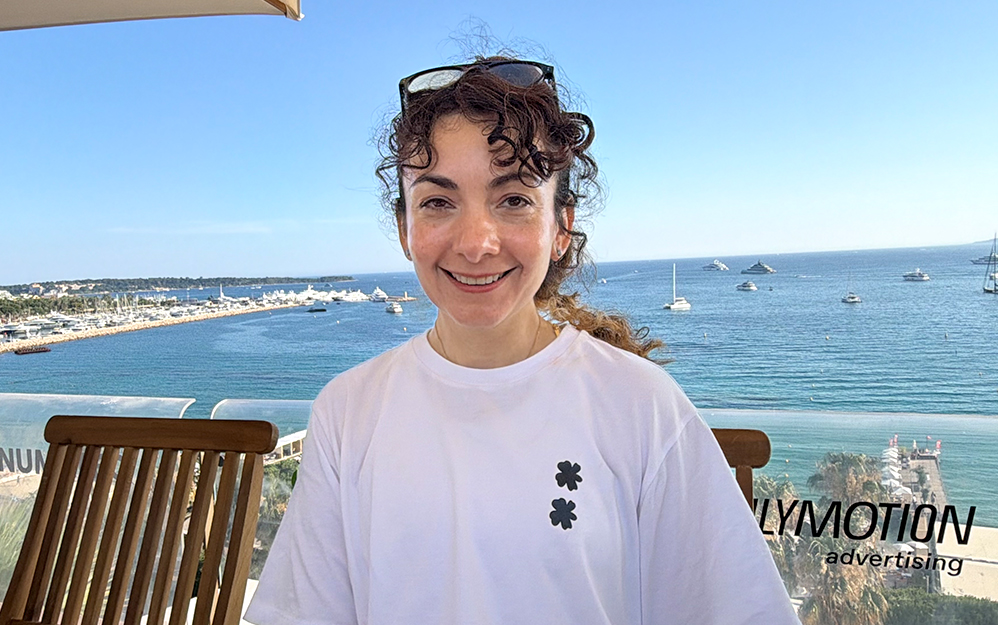
The discussion was moderated by Michelle Kobas, Managing Director and Chief Growth Officer at MEL, who noted that while AI has dominated industry conversations for the past two years, far less attention has been given to how this rapid transformation is affecting specific communities—particularly Latinos.
“There are AI conversations everywhere, but not enough about how AI relates to communities and how this acceleration is impacting Latinos in particular,” Kobas said.
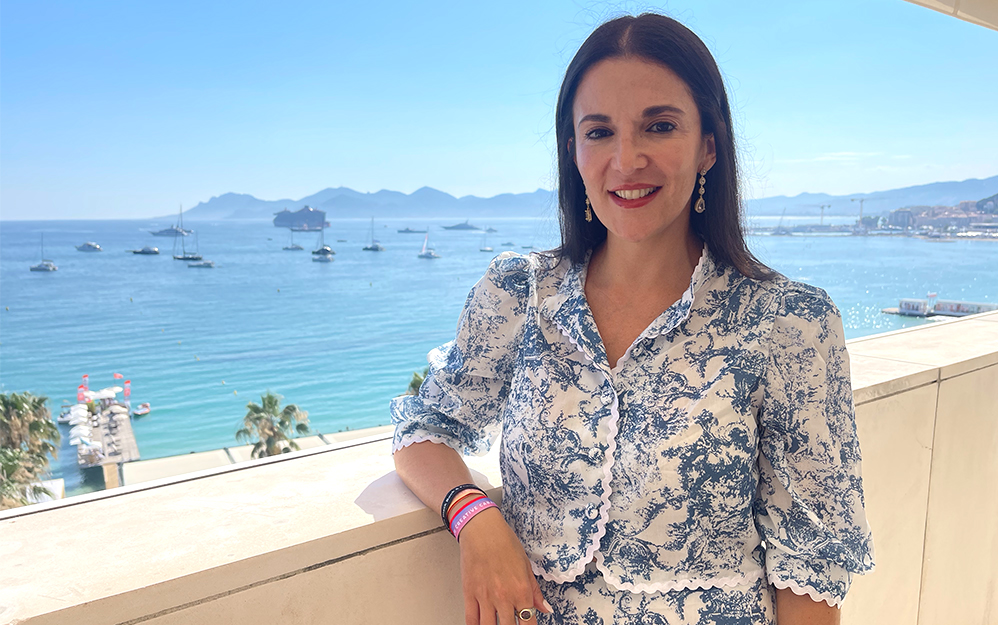
Stacy De Armas, Senior Vice President of Inclusive Insights at Nielsen, emphasized the importance of maintaining a human layer throughout the entire AI workflow—not simply adding it at the end.
According to De Armas, using AI to generate a first draft and then “humanizing” it afterward sacrifices cultural richness, nuance and authenticity.
She explained that while AI can dramatically accelerate ratings analysis, audience insights and content generation, it cannot fully capture the complexity of Latino storytelling or major cultural moments such as the FIFA World Cup.
“AI can’t develop those stories in the same way. We still need a very strong human layer throughout the entire process,” she said.
De Armas also highlighted Nielsen’s recently released report on fandom and the World Cup, which demonstrates how Latino audiences are driving the soccer enthusiasm that is now spreading across the United States. Interpreting those cultural shifts, she argued, requires more than data—it demands human sensitivity and editorial judgment.
From a creative perspective, Luis Miguel Messianu, Founder, President and Chief Creative Officer of MEL, offered an optimistic view of AI’s evolution.
He argued that every time humanity has delegated responsibilities to machines—from physical labor to memory and navigation—it has represented progress rather than decline.
Messianu believes the industry is entering a stage where machines will increasingly anticipate intentions instead of simply executing instructions. As a result, human value will shift toward judgment, taste and creative direction.
“We shouldn’t see this as a step down, but as a step up. We can move from being directors to becoming authors, editors, and eventually dreamers again.”
Speaking specifically about Latino culture, Messianu argued that AI may eventually level many technical capabilities, but it will never replace human observation or the ability to recognize invisible cultural nuances.
“AI will become the baseline. What will truly differentiate us is our ability to bring the human touch and notice what isn’t immediately visible.”
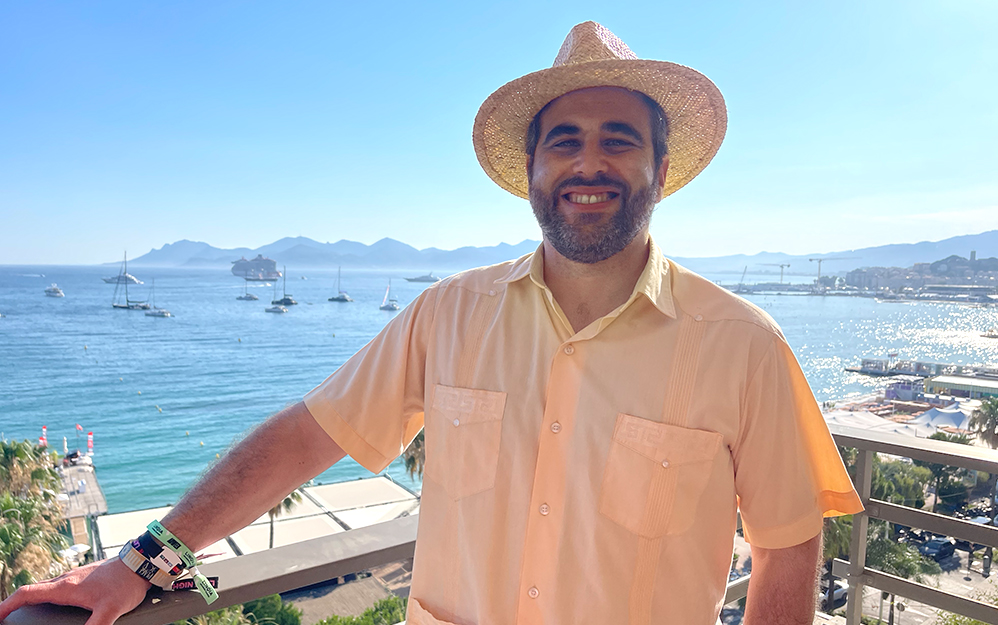
Francisco “Pancho” Cárdenas, Brand Director and Digital Lead at Avocados From Mexico, agreed that the industry should stop fearing AI and start embracing it with curiosity.
His advice was straightforward: stop worrying, start experimenting and keep learning.
Cárdenas acknowledged that agencies and brands still face questions surrounding intellectual property, ownership of AI-generated assets and practical applications. However, unlike previous industry trends such as NFTs or the metaverse, AI has already become part of everyday workflows.
“We’re all using it. The way we’re adopting AI is very different from other technologies that generated a lot of buzz but were difficult to implement. With AI, we’re already in.”
He also shared that Avocados From Mexico has begun using AI as a storytelling tool, placing the technology directly into consumers’ hands to create more personalized brand experiences.
For Cárdenas, success depends on experimenting while ensuring technology always serves the broader strategic objectives of marketing.
One of the session’s central themes was AI’s impact on the next generation of Latino talent.
The panelists agreed that while AI can democratize opportunities, it can also widen the gap between professionals who merely know how to use tools and those who understand strategy, storytelling and cultural interpretation.
Cárdenas warned that storytelling and advertising do not happen automatically. Without mastering the fundamentals, creatives risk producing generic work that sounds and feels increasingly alike.
Messianu reinforced that point by arguing that, despite having more tools than ever before, ideas will remain the industry’s most valuable currency.
“We have an incredible arsenal of tools at our disposal, but the true value of what we do lies in ideas. Ideas will remain the currency, and emotion will become even more valuable.”
Looking toward 2030, the panelists reflected on how AI, marketing and Latino culture may continue to evolve.
Messianu expressed hope that, despite technological advances, the industry will ultimately return to its foundations: human connection, emotion and the qualities that make people unique.
Cárdenas predicted increased regulation around AI because of its growing influence, while also highlighting its potential to remove barriers in education and creativity by freeing professionals from repetitive tasks so they can focus on stronger ideas, better headlines and more meaningful campaigns.
De Armas closed with a cultural perspective.
“When it comes to Latino content, nuance and culture, I’d say: let us cook. We’re going to see new artists, new ideas and new voices rise.”
The session concluded on an optimistic note. Izarra thanked Michelle Kobas, Stacy De Armas, Pancho Cárdenas and Luis Miguel Messianu, emphasizing the importance of ending the discussion with hope at a time when the industry continues to debate AI’s future and the enduring role of human creativity within it.