U.S. HISPANIC
José Julián Acosta of LERMA/: “I’m More Interested in How AI Can Make Talented People Better”
20 de septiembre de 2026

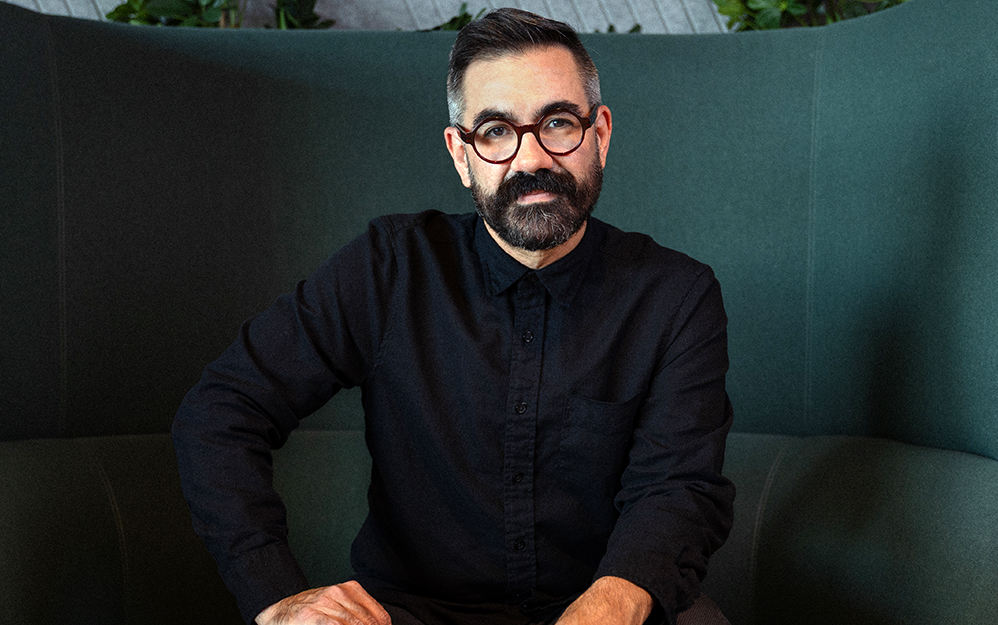
José Julián Acosta, Head of Production of LERMA/
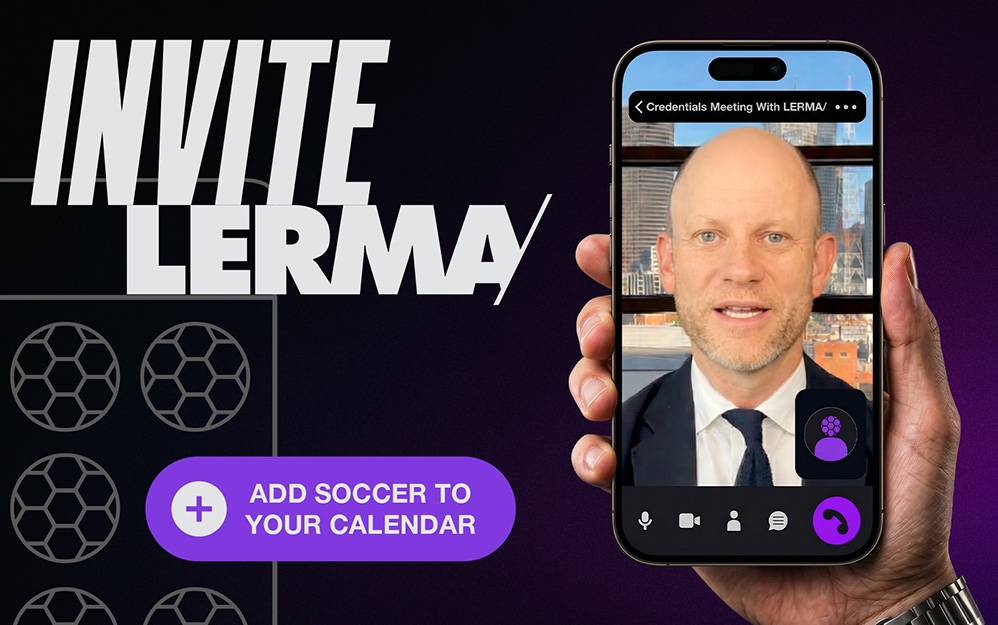
José Julián Acosta joins LERMA/ with a vision for a new era of production, where AI can streamline workflows and expand creative possibilities while human judgment remains at the center of the process.
The advertising production landscape is changing rapidly as artificial intelligence moves from experimentation into everyday creative workflows. For José Julián Acosta, LERMA/’s new Head of Production, however, the industry is only beginning to understand the scale of that transformation.
Acosta believes the next phase of AI will extend beyond what the technology can create — from images and shots to voices and environments — and focus increasingly on how it can help manage the work surrounding the creative process.
“Right now, most of the attention is on what AI can make: an image, a shot, a voice, an environment. That’s exciting, but to me that’s only the first chapter,” Acosta says. “The next chapter is how AI starts helping us manage the work around the making. That’s where agentic workflows become really interesting.”
He envisions systems that can help producers organize information, track decisions, connect different parts of a project and take repetitive tasks off their plates.
“That doesn’t replace the producer. To me, it gives the producer more time to actually produce,” he says.
Acosta joins LERMA/ after serving as AI Solutions Director and Executive Producer at Monks and previously as SVP, Director of Production at FCB Chicago. At LERMA/, he will lead the agency’s production practice as the company continues to expand its capabilities across creativity, strategy, data, technology and production.
Rethinking what production can become
For Acosta, one of the most compelling aspects of joining LERMA/ was the opportunity to rethink the role of production rather than simply modernize an existing model.
“Honestly, the work attracted me first,” he says. “LERMA/ has always made work that feels human and culturally relevant, and that’s something I really admired from the outside.”
But conversations with LERMA/’s leadership team ultimately convinced him to make the move.
“We spent surprisingly little time talking about what a traditional Head of Production should do and a lot more time talking about where the industry is going and what Production could become. That really connected with me,” Acosta says.
The agency’s independent structure was another factor.
“There’s also an entrepreneurial spirit here that I LOVE,” he says. “We’re independent. We can see a problem, try something, learn from it and keep building.”
That creates an opportunity to ask a broader question: if production were being built today for the industry of tomorrow, what would it look like?
For Acosta, that future will likely involve increasingly hybrid production models. Live action, AI, traditional post-production, design and VFX can coexist within the same project, giving creative teams more ways to bring an idea to life.
“We’re no longer limited to one way of making something,” he says.
That also makes the producer’s role more important, not less. Someone still needs to understand the idea, assess the available possibilities and determine which people and tools should come together to execute it.
“I think the producer of the future will spend less time moving information around and more time making important creative and production decisions,” Acosta says. “That’s incredibly exciting to me.”
AI as a creative tool, not a replacement for craft
While AI is expanding what production teams can accomplish, Acosta emphasizes that greater production capability does not automatically translate into better creative work.
“AI can give creative people incredible new capabilities,” he says. “We can visualize an idea much earlier, try things we couldn’t afford to try before, remove some of the repetitive work and, in some cases, create things that simply weren’t possible a few years ago.”
But there is an important distinction: “Being able to make more things doesn’t mean we’re going to make better things.”
For Acosta, that is where human craft and judgment become even more important. Someone still needs to have the idea, recognize what works and understand performance, storytelling, emotion, humor and the imperfections that can make a piece feel human.
The evolution will inevitably affect jobs and workflows as well. Rather than dismissing that change, Acosta believes agencies and industry leaders have a responsibility to help their teams adapt.
“I don’t want to pretend that jobs and workflows won’t change. Of course they will. They always have when new technology enters our industry,” he says.
The challenge, he argues, is helping people navigate that transformation, learn new skills and identify where their talent can become even more valuable.
Putting people at the center of the next production model
Acosta’s approach ultimately places the producer at the intersection of technology, creativity and execution.
Rather than viewing AI primarily through the lens of automation, he sees an opportunity to use it to remove operational friction and give creative and production professionals more time to focus on decisions that require experience, taste and judgment.
“That’s why I’m much more interested in asking how AI can make talented people better at what they do than how it can replace them,” he says.
For LERMA/, the arrival of Acosta comes as the agency continues to build out its leadership and capabilities for a changing advertising ecosystem. His role reflects a broader shift in production, where understanding technology is increasingly becoming part of understanding how ideas are made.
“At the end of the day, AI can give us more possibilities,” Acosta says. “It still takes people to decide which possibilities are worth pursuing. That’s the part I never want us to lose.”


Diario de Hoy
|
viernes, 18 de septiembre de 2026 |
Noticias relacionadas (4)