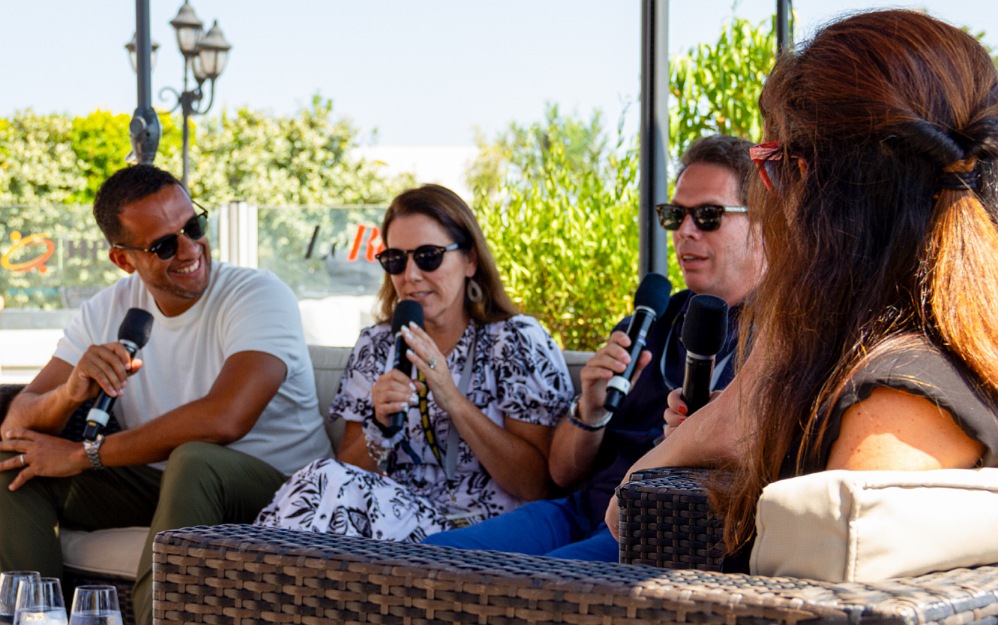
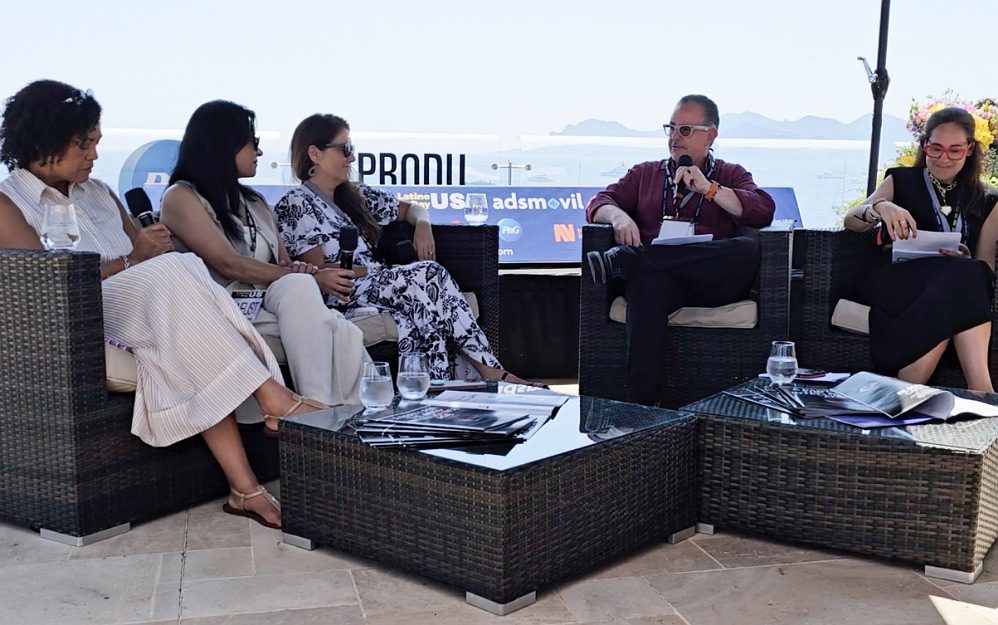
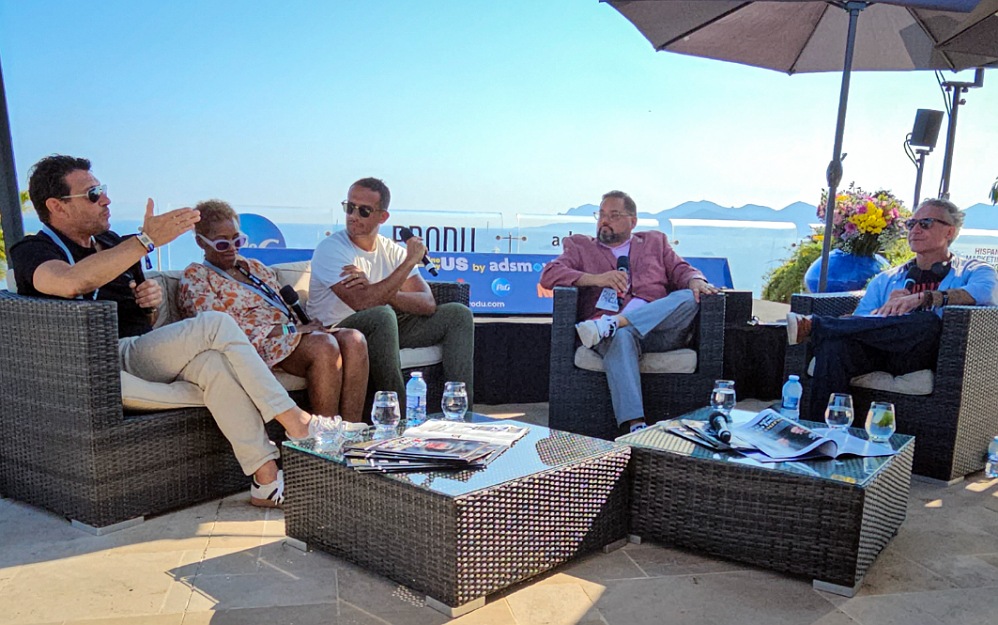
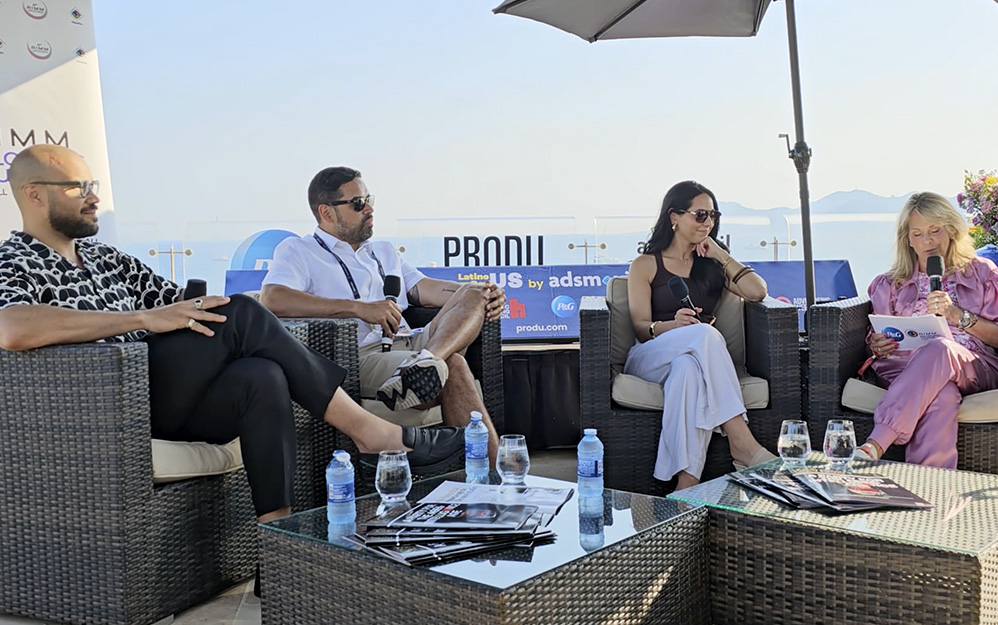
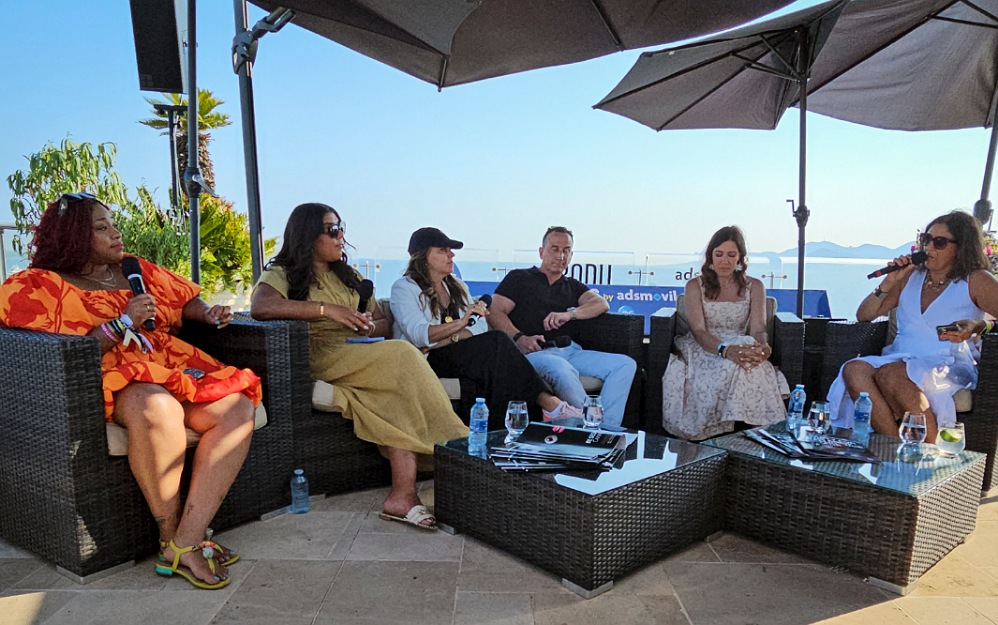
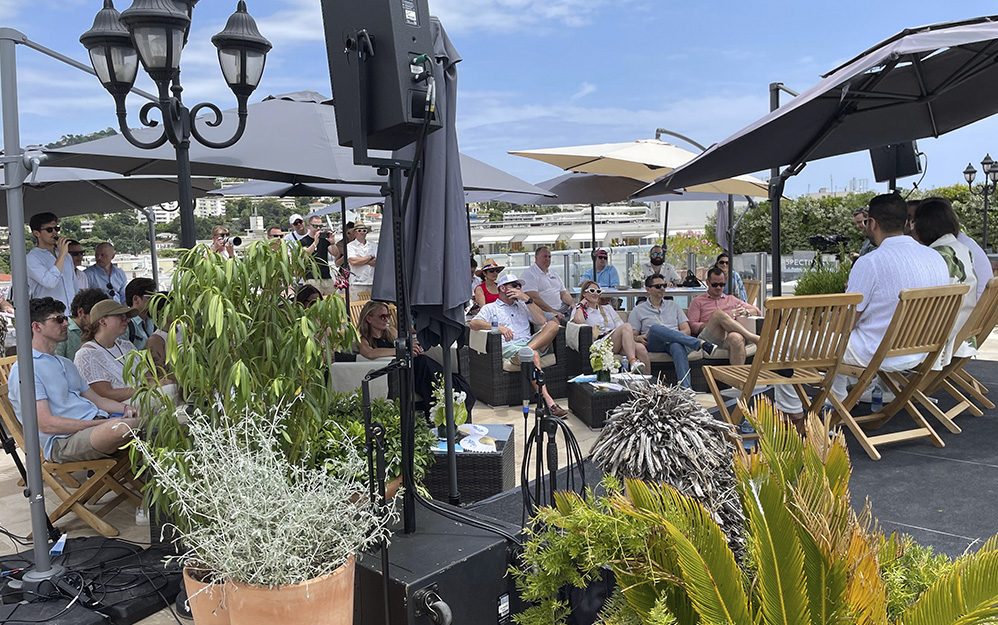
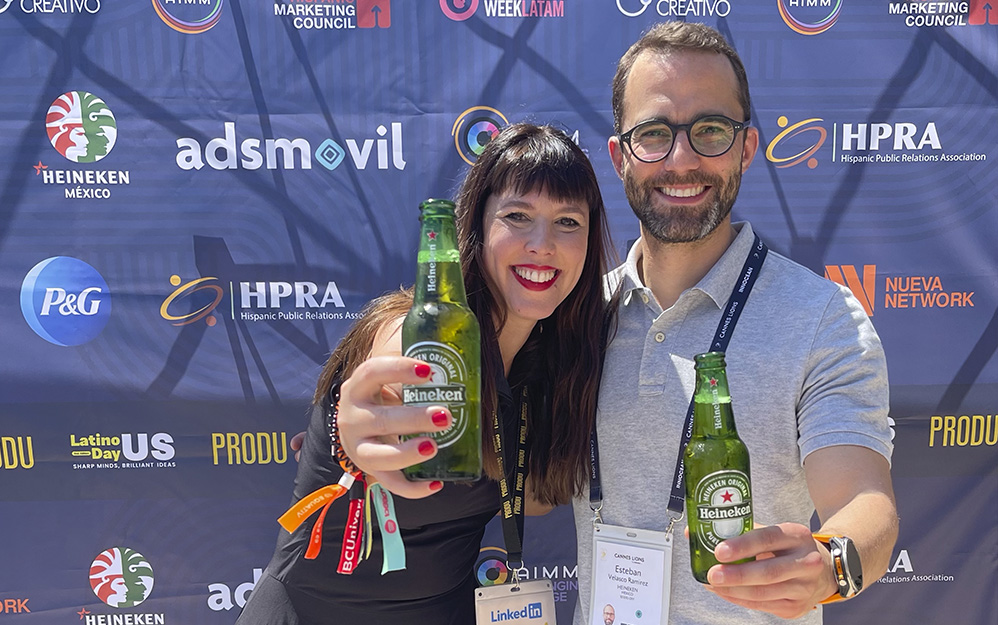
During Latino US Day at the Cannes Lions International Festival of Creativity, an exclusive event hosted by Advertising Week LATAM, and powered by PRODU, industry leaders convened for an engaging session titled “The Relevance of Creativity for Growth.” Organized by Círculo Creativo USA, the panel explored how creativity serves as a fundamental economic multiplier, particularly when focused on tangible business results and cultural relevance.
Moderated by Luis Miguel Messianu, President-Chief Creative Officer at MEL, the panel featured: Julia Estacio, VP, Group Account Director, alma; Abe García, Chief Creative Officer, Dieste; Flor Leibaschoff, Co-Founder & Chief Creative Officer, BeautifulBeast; Checha Agost-Carreño, Founder & Chief Creative Officer, Founders; and Marco Vega, Co-founder, President & CSO, Creyentes.
Checha Agost-Carreño passionately argued that creativity is “the most powerful weapon to ignite, to achieve growth, because it’s an economic multiplier.” He expressed concern that the industry often prioritizes “ideas that will save the world” over those that directly highlight brand benefits and products. Agost-Carreño cited Apple’s recognition as marketer of the year for their focus on product-centric innovation, reinforcing his belief that “we can’t save the world with a ball and a ballet, but we certainly have the power to save the industry with the ideas.” He finally urged creatives to focus on ideas that resonate broadly with audiences, warning that a failure to do so risks industry decline and the usurpation of creative roles by influencers, who currently command a “$33 billion” share.
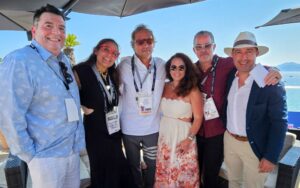
Abe García, Flor Leibaschoff, Checha Agost-Carreño, Julia Estacio, Luis Miguel Messianu, and Marco Vega
Flor Leibaschoff reinforced this perspective, stating that her agency, BeautifulBeast, identifies as a “business growth company”, because they “believe in the power of the ideas and the creative to create those results.” She underlined that creativity spans the entire marketing journey, from strategic conception to media execution, proving to double results and foster longer-lasting brand loyalty when applied correctly.
Julia Estacio introduced the concept of “intentional creativity,” particularly from an account service, and business growth perspective. For brands like McDonald’s, which she leads, intentional creativity begins with a clear strategic framework: “clarity on the problem to solve, who you’re solving it for, and how that consumer… specifically will solve that problem.” Estacio said, that a clear strategy provides the “bravery in the creative execution” needed to take creative risks with purpose.
Abe García underscored the crucial role of client trust in unlocking truly great creative work. While creativity is vital, he explained, “it also takes the client a little bit to also believe in the power of what creativity can do for the business.” He likened the agency-client relationship to a “marriage, not flings,” emphasizing that long-term trust fostered through consistent collaboration — like Dieste’s 20+ year partnership with AT&T — allows for honest feedback and bolder, more effective creative solutions.
Finally, Marco Vega highlighted the immense opportunity presented by understanding the cultural context and unmet needs of consumers, particularly within the Latino community. “Culture and values are not a threat,” he affirmed. Instead, they provide the essential context for brands to connect with consumers. For him, the Latino market is not just an opportunity, but a critical business imperative for delivering on “unmet needs and solutions for our community.”