U.S. HISPANIC Versión en español
Juliana Betancourth of FRACTORY: “The Transformation Of The Short Format Will Bring Many More Opportunities On Social Media And Platforms”
Maribel Ramos-Weiner | 1 de agosto de 2025

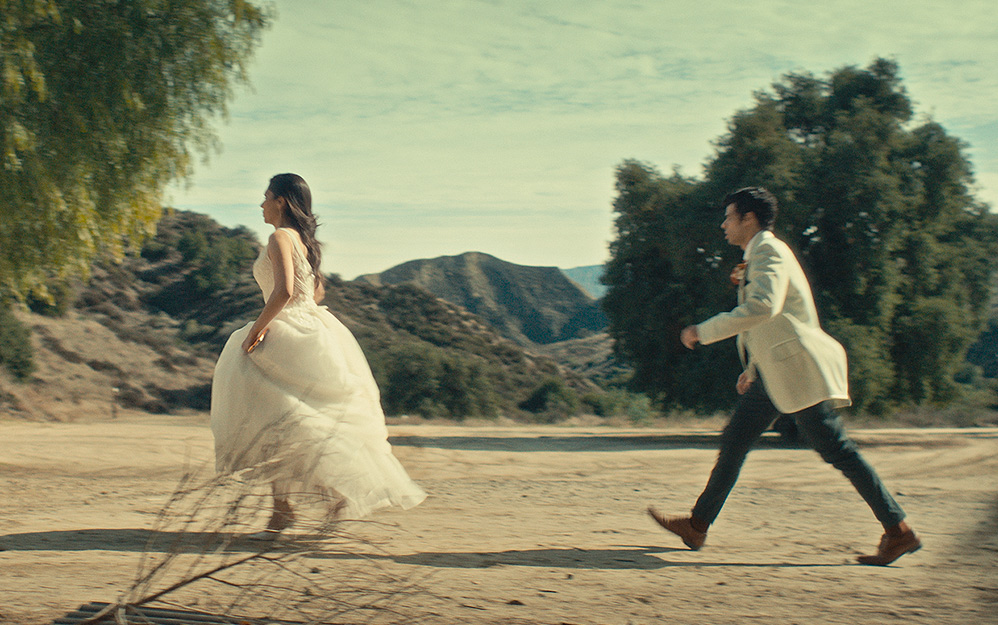
Michelle (Andrea Archila) and David (Xavier González) in a scene from I F*cking Hate You!
The short film I F*cking Hate You!, which had a special screening at the Los Angeles Latino International Film Festival (LALIFF), is directed by Gabriela Paciel and produced by Sofía Rovaletti and Juliana Betancourth of FRACTORY LLC. The short was developed as part of the LFI Inclusion Fellowship, a program dedicated to empowering emerging creators with the support of Netflix. The film explores the raw complexities of family relationships, anger, and healing.
“For us, it was very important that this story represented Latinos in a universal way. I believe that, as a producer, that’s how you can elevate representation—not only of Latinos but of any community that isn’t being represented properly or enough. It’s simply about telling a story that could belong to any other ethnicity, that’s universal—one we usually see with white people—just changing the skin color, the ethnicity, and the place of origin of the character,” said producer Sofía Rovaletti to PRODU.
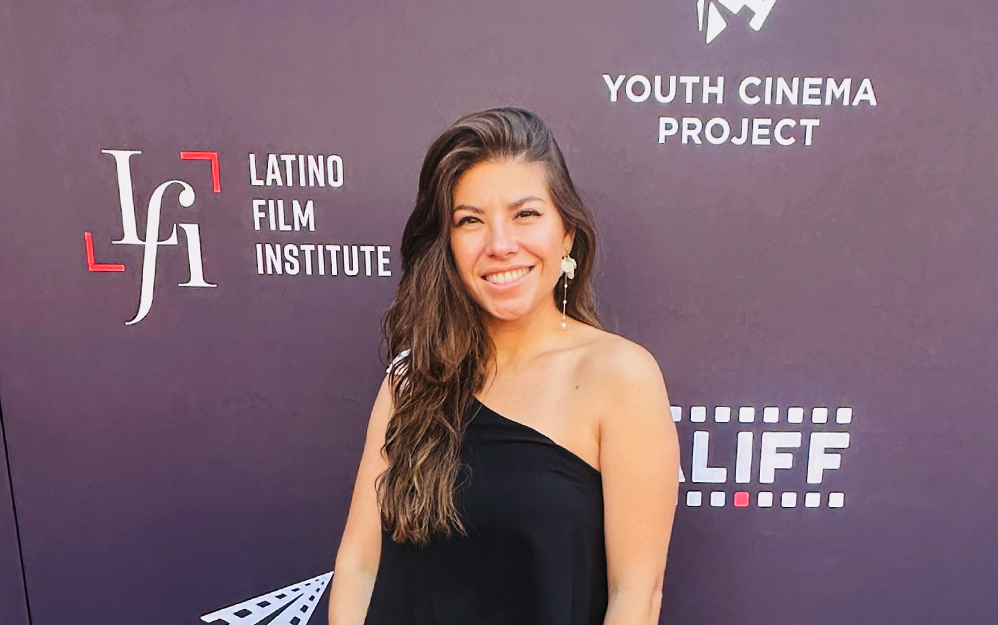
Producer Sofía Rovaletti
The film also had the creative support of associate producer Caffeine.
Rovaletti added that stories that can travel across continents, countries, and communities “are the ones that connect us emotionally and can reach a much broader audience. A global community is what helps elevate Latino stories. Understanding that a story featuring a Latino character can represent us even if we’re not Latino—that, to me, is what elevates Latino representation: understanding that we’re not different,” she noted.
Juliana Betancourth, Founder of FRACTORY LLC, pointed out that the short is part of the Latino Film Institute’s fellowship, an institution fighting for Latino representation in the film industry—in Hollywood and globally. “Through this initiative, fellows with Latino roots are selected, and through them, teams like ours come in from the production side, along with the entire technical and creative team that becomes part of the project. From that initial concept and realization of the short film, and then through what the story represents, I definitely think we’re elevating what Latinos are capable of doing—our creativity and our work ethic.”
“It’s a short film that really grabs your attention. What we’re hoping for now is to first take it on the festival circuit, because ultimately, part of the short film’s purpose is to be a platform to showcase the work of the creatives behind it,” they noted, adding that after the festival stage, the idea “is to give our sponsor, Netflix, the first opportunity to be our distributor. But if not, we’ll approach other distributors and definitely try to recover the investment made in the short,” they said.
CHALLENGES
Asked about what this short film represented for them, they said it was a very interesting professional challenge because—like most independent producers in Latin America—they’re used to creating something with the best possible quality on a limited budget.
“I think that’s something Latinos are very good at, because we’re used to the fact that in our home countries, there’s always some kind of economic crisis happening, which forces us to adapt in life in general—not just at work, but to limited budgets and to survive with what’s available,” Rovaletti added.
She noted that “the beautiful thing” about the project was the challenge of making it in a limited timeframe—six months—and including many production elements that are challenges in and of themselves for a short. “It wasn’t just a short in one location—it was a short that had a location that was a certain distance from where people live. We had a ton of elements that made production more complex than a simple two-character short in a single location,” she said.
Betancourth added that for them, it was also a chance to show that as producers, they take on a short film with the same seriousness and commitment as they do with the feature films they’ve worked on. “The short has exactly the same validity and commitment—we want it to turn out just as good, if not better. From a production standpoint, it shows the versatility we’re building—we’re able to produce different formats, from shorts to features.”
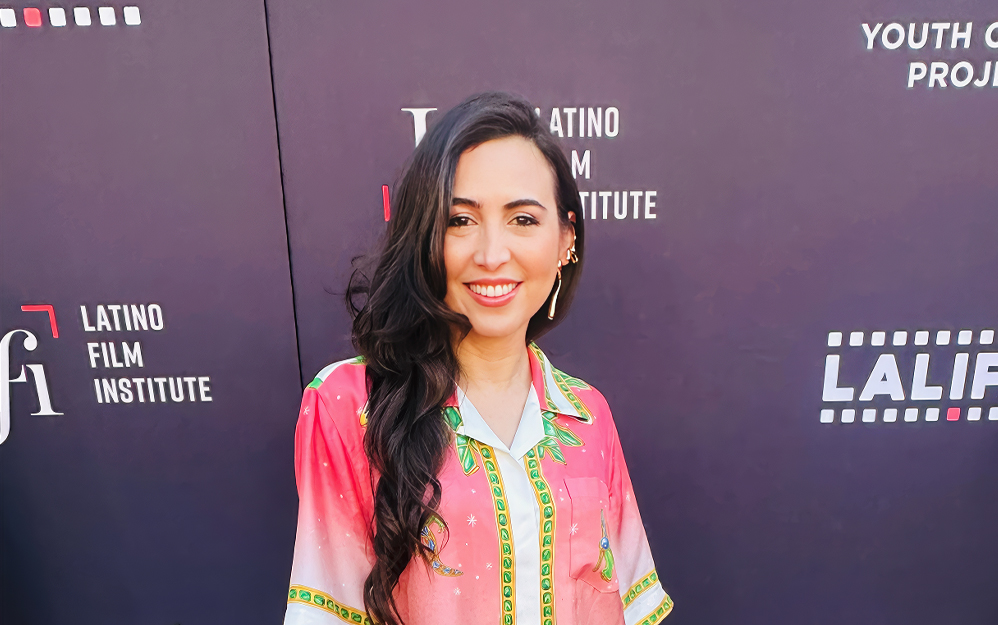
Juliana Betancourth, Founder of FRACTORY LLC
She added that it gave them the opportunity to think, right from the project’s conception, not only about the production execution, but also about what comes next in terms of distribution and promotion—“how far we want the short to go, and how we begin to include all those later stages from the start in our budgets and project planning,” she said.
THE SHORT FORMAT’S POTENTIAL
For the producers, short films have a lot of potential today. “Maybe not on the platforms we’re used to (like Netflix), but elsewhere—other platforms are acquiring shorts because they see the potential. I especially think social media is a space where shorts can really thrive. People spend a lot of time scrolling, and watching a five- or ten-minute short is very appealing. You can see this from the success of vertical shorts—ultra-short content episodes that people watch while commuting or on break. It’s a way to disconnect and watch a story in a small moment of life—no need to commit to a whole season, two hours, or even 20 minutes—maybe just ten or five,” they explained.
They believe shorts in general have a bright future. “I think more platforms will start to realize this. They’ll try to get people to scroll within their platforms instead of on social media. And the way to do that will be acquiring shorts—especially comedies. I think the format will evolve, creating many more opportunities on both social media and, eventually, streaming platforms. Because today, the biggest competition for Netflix, Hulu, and Amazon isn’t each other—it’s YouTube and Instagram. In some way, they’ll try to bring in short-form content to make people scroll on their platforms instead of social media and YouTube,” they said.
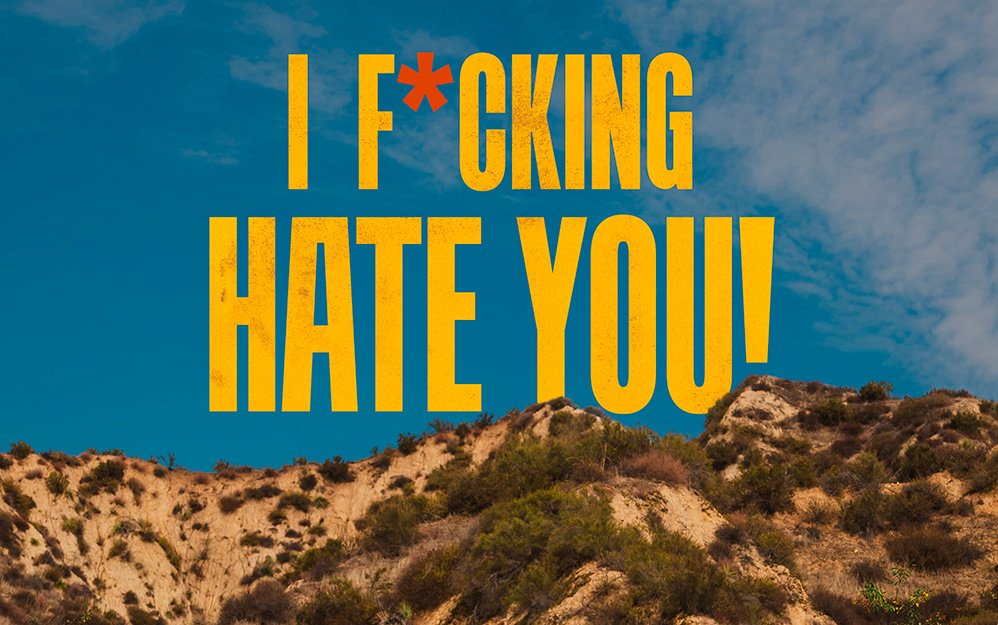
The film is directed by Gabriela Paciel and produced by Sofía Rovaletti and Juliana Betancourth of FRACTORY LLC


Diario de Hoy
|
viernes, 18 de septiembre de 2026 |
Noticias relacionadas (1)
Videos relacionados (1)