U.S. HISPANIC Versión en español
Francisco Ramos of Netflix: “We Have Positioned Ourselves As A Key Driver For Large-Scale Projects In Argentina”
Cynthia Plohn | 24 de abril de 2026
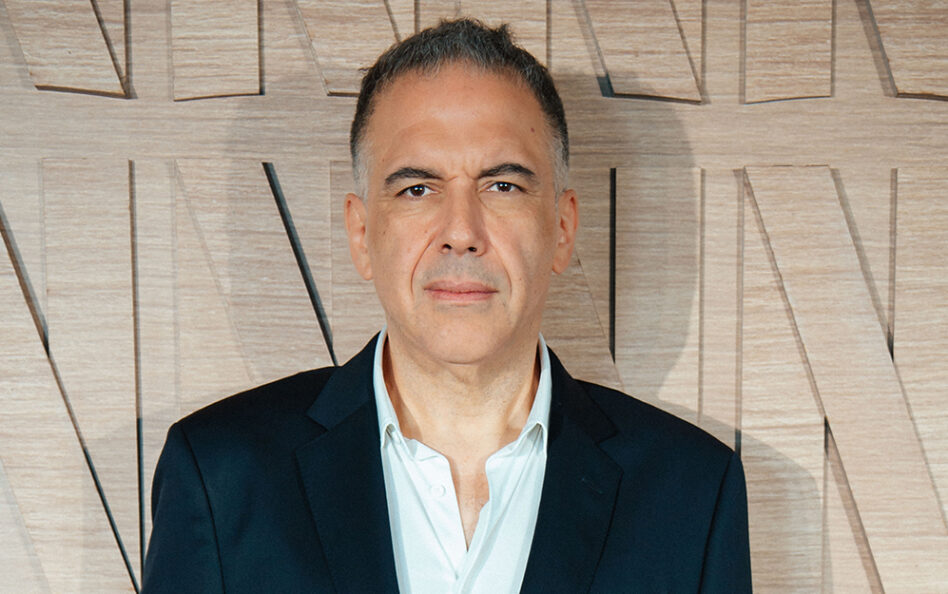
Francisco Ramos, Netflix: "We still don’t have the technical capability to offer vertical content, at least not with the level of experience our users expect."
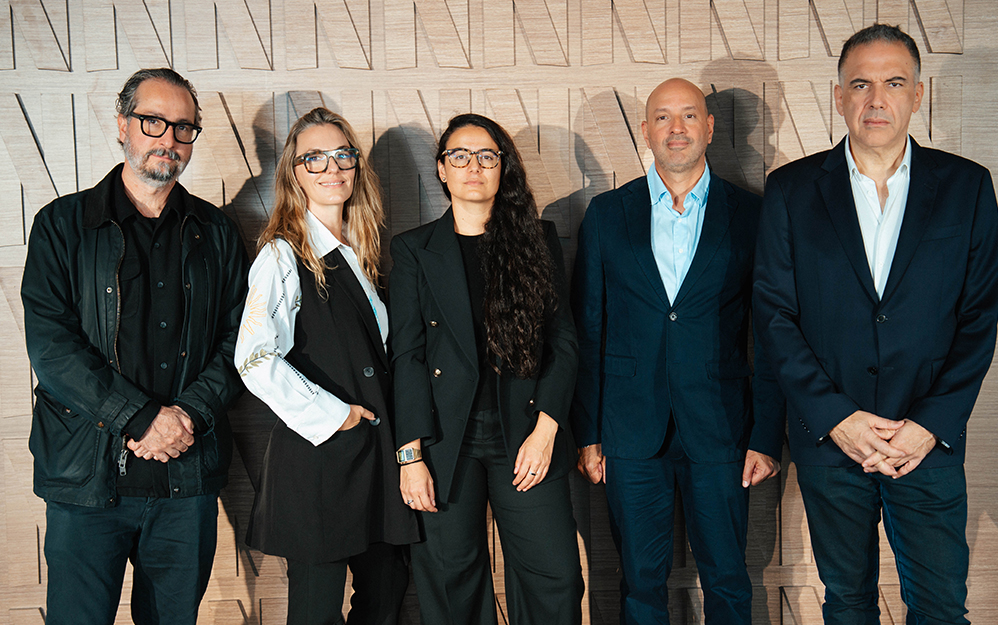
During his visit to Argentina for the launch of new “Made in Argentina” content, as the slogan states, and the inauguration of Netflix’s new offices in Villa Crespo, Francisco Ramos, VP of Content for Netflix Latin America, met with a small group of journalists, including PRODU.
When asked how they determine what audiences want to watch, Ramos explained that they initially aimed to reach broad audiences and have gradually refined their approach toward more specific niches. The goal is for users to feel that, even if not all of the catalog interests them, there will always be content created for them.
Netflix is aware that fiction production on Argentina’s broadcast TV has declined, unlike in markets such as Mexico and Brazil. This has positioned the platform as a key driver for large-scale projects. According to Ramos, “99% of the people behind the creative and production decisions of series such as The Eternaut, The Kingdom, Envidiosa, In the Mud, or Division Palermo are Argentine, which demonstrates the great talent in the country.”
He emphasized that the growth is evident when comparing the platform’s first local production, Edha in March 2018, with projects of the current scale like The Eternaut, showing the enormous technical and artistic leap the industry has made in just seven years.
EXPERIMENTATION: SHORT FORMATS AND STRATEGIC PARTNERSHIPS
To connect with younger audiences, Netflix is testing different narrative formats. The most recent example in Argentina is Carísima, a short-episode project developed in collaboration with the streaming channel Olga, based on the vision of Keka Halvorsen, part of the Argentina production team.
Carísima is Netflix’s first horizontal short-form series in Argentina. Unlike other short content, these are horizontal rather than vertical, as they aim to maintain higher quality and greater narrative ambition. Similar experiments are underway with two projects in Colombia (derived from the success of Eva Lasting) and two in Mexico, which will be revealed soon.
“We still don’t have the technical capability to offer vertical content, at least not with the level of experience our users expect. What we set out to do was experiment and play, but always in horizontal,” he added.
Ramos also spoke about the global success of Argentine content, explaining that Netflix’s recommendation algorithm acts as a global bridge. When a user from another country discovers foreign content—like the boom of Korean or British series—and enjoys it, they become an “active recommender.”
LIVE CONTENT AND DOCUMENTARIES
Ramos also addressed live content, noting that the live streaming model is growing, though at different speeds depending on the country.
In Mexico, for example, due to its proximity to and cultural influence from the U.S., there has been strong success with NFL games and major boxing matches, such as those featuring Canelo Álvarez. Netflix plans to expand its live offering there between 2026 and 2027, with a new boxing and music event scheduled for April 26.
In Argentina, competition for live sports with strong players like ESPN makes it a more complex business, so for now the focus is on special or “eventized” broadcasts.
Regarding music, they believe it is difficult to replicate or replace the success of live performances. Therefore, their main focus remains on building hybrid formats or music documentaries, as was the case with Lali Espósito.
INVESTMENTS
Regarding planned investments in the Argentine market, Ramos said they do not disclose specific figures due to economic conditions and currency fluctuations. However, he confirmed that investment continues to grow. After investing more this year than last, he stated: “In 2026 we will invest more than in 2025, and 2027 will be the year in which we invest the most.”


Diario de Hoy
|
miércoles, 16 de septiembre de 2026 |