
U.S. HISPANIC
Fabio Sá of U.S Media: “Soccer in the U.S. Isn’t a Moment—It’s a Long-Term Play”
24 de abril de 2026
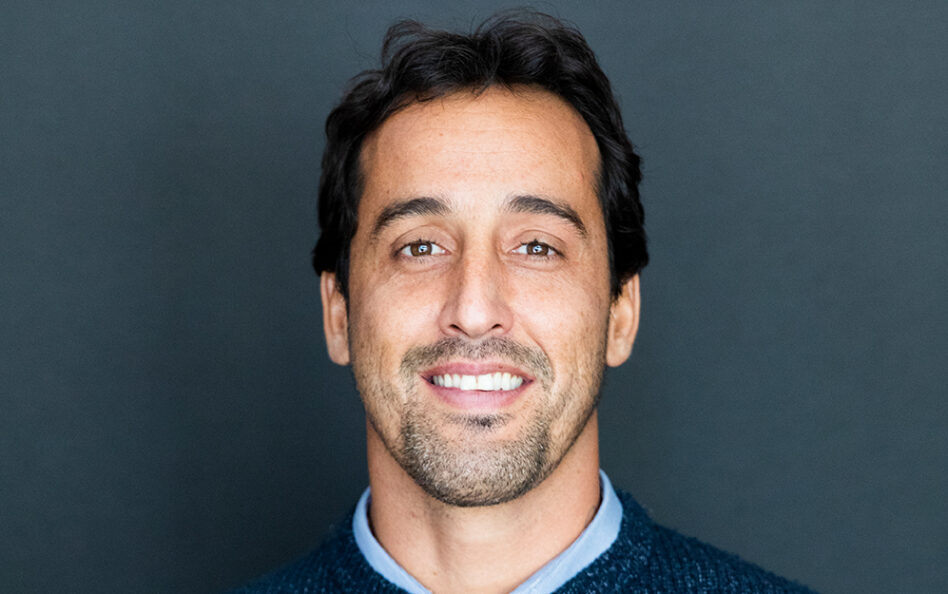
Fabio Sá, Head of U.S. Business Operations for U.S. Media and ONEFOOTBALL,
For years, brands have treated the World Cup as the ultimate moment to engage soccer fans. But according to Fabio Sá, Head of U.S. Business Operations for U.S Media and ONEFOOTBALL, that mindset is not only limited—it’s outdated.
Sá has spent more than two decades working at the intersection of soccer, culture, and brand strategy across the U.S. and Brazil. His perspective is clear: the World Cup is not the peak of soccer—it’s just the entry point.
“Football will never have a peak,” he says. “It’s an ever-growing ecosystem. When you think of a peak, it implies a decline after. That’s not how this sport works.”
The Real Opportunity Starts Before—and Continues After—2026
While the 2026 World Cup will undoubtedly accelerate interest in soccer across the United States, Sá argues that the real opportunity for brands lies in understanding what happens beyond the tournament itself.
The growth of soccer in the U.S., he explains, is not a temporary spike—it’s part of a long-term structural shift driven by global investment and cultural integration. American investors, long dominant in leagues like the NFL and NBA, are increasingly turning to global soccer as a high-growth opportunity.
In Sá’s words, if traditional U.S. sports are “mature stocks,” soccer is “more like Nvidia”—a fast-growing asset with significant upside.
That growth is already reshaping the landscape: expanding fan bases, increasing media rights value, and bringing global competitions to U.S. soil. For brands, this means engagement strategies cannot be limited to a single event. They must be continuous, culturally aware, and embedded in the everyday experience of fandom.
Soccer Fans Are Not Just Fans—They’re Believers
One of the biggest misconceptions brands make, Sá suggests, is treating soccer audiences like any other sports audience.
They’re not. “Soccer is not just a sport—it’s part of identity,” he explains. “People tattoo their clubs, name their children after players. It’s emotional in a way that is fundamentally different.”
In the U.S., that emotional layer is compounded by something else: cultural identity. For many fans, especially within Hispanic and immigrant communities, soccer is deeply tied to heritage, pride, and belonging.
At the same time, the U.S. presents a unique dynamic. Unlike in countries like Brazil or Argentina—where loyalty is club-driven—American fans often identify first with the sport itself.
“They celebrate the growth of the game,” Sá notes. “When a player like Messi arrives, it’s not just about one team—everyone sees it as a win for soccer.”
This duality—deep emotional connection combined with a broader love for the sport—requires a fundamentally different marketing approach.
The Biggest Mistake: Treating Soccer Like Entertainment
For brands entering the space, Sá points to a critical—and common—mistake: trying to apply traditional U.S. sports entertainment models to soccer.
“The U.S. is exceptional at turning sports into entertainment,” he says. “But soccer is not entertainment first.” That distinction matters.
When entertainment enhances the experience, it works. But when it disrupts the authenticity of the game, it alienates fans. Sá recalls examples like overly intrusive in-stadium activations or mismatched fan experiences that ignore how global soccer culture actually functions.
The lesson is simple but often overlooked: authenticity is not optional.
And achieving it doesn’t require brands to pretend to be something they’re not—it requires them to understand the culture they’re entering and work with people who do. “The ‘Harvard of soccer’ is not a classroom,” Sá says. “It’s the stadium.”
Authenticity vs. Opportunism
As more brands rush into soccer ahead of 2026, the line between meaningful engagement and opportunistic marketing becomes increasingly visible.
Authenticity, Sá argues, is about balance. “You don’t need to be a lifelong fan or a legacy sponsor,” he explains. “But you need to respect the culture. You need to add value—not get in the way.”
That means creating experiences that complement the game, not override it. It means understanding rituals, timing, and emotional context. And above all, it means recognizing that fans are not passive audiences—they are active participants.
The New Ecosystem: Where Fans, Content, and Brands Converge
From the perspective of ONEFOOTBALL, the evolution of soccer marketing is closely tied to how fans consume the game today.
The platform operates as a “second screen” experience, complementing live broadcasts with real-time updates, statistics, and personalized content. In an environment where fans demand immediacy and constant connection, this layer has become essential.
“Fans don’t just watch the game anymore,” Sá explains. “They follow it before, during, and after—on their phones, in real time.”
For brands, this shift opens new opportunities: not just to advertise, but to integrate into the fan journey through content, access, and utility.
The Future: Authenticity in an Automated World
Looking ahead, Sá believes the broader marketing landscape will be increasingly shaped by automation and artificial intelligence. But in that context, soccer may stand apart.
“In a world where everything becomes more automated, more synthetic, more artificial,” he says, “the passion of a fan for their club is something that cannot be replicated.” That, ultimately, is where the real opportunity lies.
For brands willing to move beyond the World Cup mindset, soccer offers something rare: a deeply human connection in an increasingly artificial world.
And that’s not just a marketing opportunity—it’s a strategic advantage.


Diario de Hoy
|
viernes, 18 de septiembre de 2026 |