
U.S. HISPANIC
FastFWD – More Than Latino: The Hispanic market is no longer a niche
31 de mayo de 2026
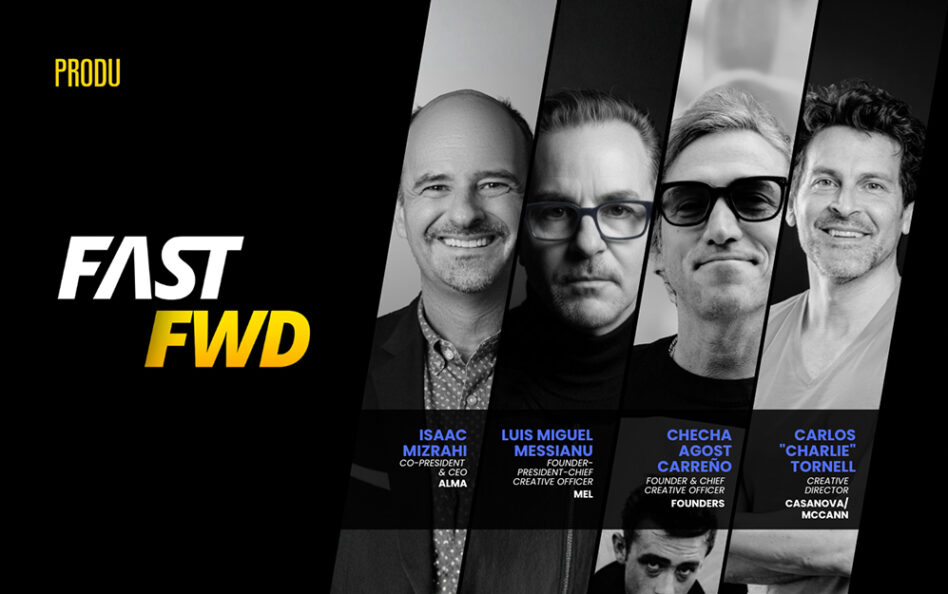
Leaders agree that understanding the Hispanic consumer is a strategic business decision
The Hispanic market in the United States is no longer viewed solely as a cultural segment, but has consolidated itself as one of the main drivers of growth, relevance, and influence for brands. In a landscape where audiences are redefining consumption, industry leaders agree that understanding the Hispanic consumer is no longer a matter of symbolic representation, but a strategic business decision.
From a creative perspective, Carlos “Charlie” Tornell, Creative Director at Casanova/McCann, believes brands face two major opportunities: growth and cultural relevance. “Without a strategy focused on the Hispanic market, brands will increasingly struggle to grow in penetration and consumption,” he explained. According to Tornell, while growth in the general market is slowing down, the Hispanic market continues to expand and shape cultural trends across music, art, and entertainment. “Many brands still see it as the politically correct thing to do, rather than a real business decision,” he noted.
For Isaac Mizrahi, Co-President & CEO of alma, the opportunity is directly tied to the demographic transformation of the United States. “The Hispanic segment will continue leading the country’s demographic growth in the coming years,” he stated. Mizrahi emphasized that this growth is not driven solely by immigration, but by the organic expansion of generations born in the United States. In his view, the major challenge for brands is building authentic messages for a consumer who responds neither to traditional Latin American codes nor to mainstream American behavior. “This audience changes every three to five years, driven by culture, technology, and their own experiences in the United States,” he explained.
For Luis Miguel Messianu, Founder-President-Chief Creative Officer of MEL, the shift begins with recognizing the Hispanic market as “the leading driver of cultural influence for brands in this country.” Rather than limiting themselves to translation efforts, he believes brands must build long-term cultural platforms alongside Hispanic communities. “If brands want to seize this historic moment, they need real and sustained investments, Hispanic voices in decision-making spaces, and a consistent presence,” he asserted. For Messianu, cultural connection is no longer an accessory element, but a competitive advantage.
Along the same lines, Checha Agost Carreño, Founder & Chief Creative Officer of Founders, warned that one of the industry’s historical mistakes has been treating Hispanic communication as a simple adaptation of the general market. “The Hispanic market has its own life, its own language, and its own sensitivity,” she stated. According to the creative leader, traditional aspirational advertising is no longer enough, and brands now need to build authentic narratives capable of connecting through storytelling, craft, and real cultural experiences. “We are already starting to see campaigns that truly understand how to speak to this audience,” she added.
As a result, the Hispanic market in the United States is evolving from being perceived as a niche to becoming one of the country’s most influential economic and cultural forces. In a landscape where growth, loyalty, and relevance converge, brands face both the challenge — and the opportunity — of moving beyond translation to build authentic connections with an audience that is redefining the present and future of consumption in the United States.


Diario de Hoy
|
lunes, 21 de septiembre de 2026 |
Noticias relacionadas (4)


Videos relacionados (1)
27 de mayo de 2026
FastFWD Mayo 2026- More than Latino: El mercado hispano ya no es un nicho