U.S. HISPANIC
Pedro Lerma of LERMA/: “Don’t Market to Hispanics, Build Cultural Currency With Them”
10 de febrero de 2026
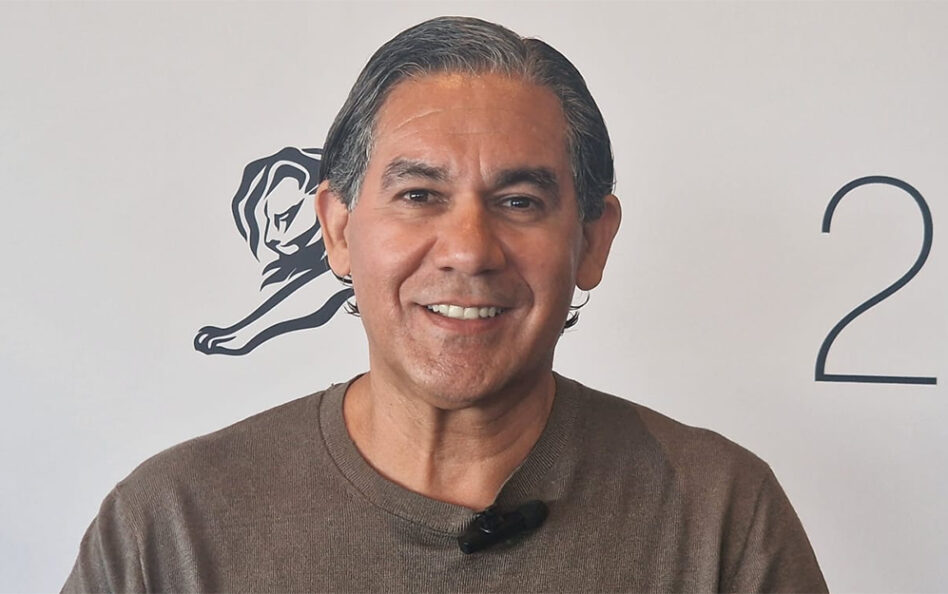
Pedro Lerma, Founder and CEO of LERMA/
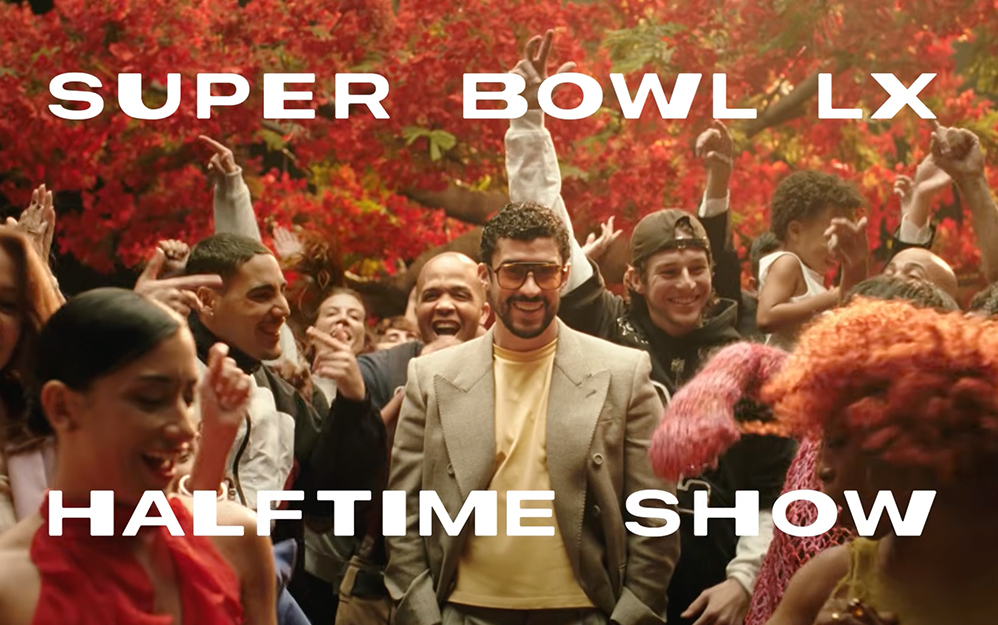
The Super Bowl 2026 halftime show, headlined by Bad Bunny, marked more than a milestone in entertainment. It became a defining cultural moment for Latino audiences in the United States—one that extended far beyond the stadium, the broadcast, or even social media timelines. For Pedro Lerma, Founder and CEO of LERMA/, the shift was not about visibility, but about recognition.
“What changed isn’t visibility,” Lerma explains. “It’s the recognition of the continued influence and impact of Latinos in America.” In his view, Bad Bunny’s performance represented a mainstream moment in which Latino culture responded to external pressures not with confrontation, but with a sense of collective joy and authenticity that resonated across generations and communities.
The impact of the halftime show quickly moved off-screen. Clips, remixes, memes, and headlines fueled a cultural conversation that no media plan could have orchestrated. From “Benito Bowl” watch parties to La Casita pop-ups across local markets, the momentum translated into organic, street-level fandom—an expression of cultural ownership that brands cannot manufacture.
For Lerma, this moment carries a clear lesson for marketers: authentic connection cannot be built through surface-level inclusion. “Don’t just market at Hispanics,” he says. “Build true cultural currency with them, and you will scale meaningful growth.”
At LERMA/, that philosophy translates into a commitment to culturally specific storytelling—work that embraces nuance rather than sanding down edges in pursuit of mass appeal. “You can speak to the universal by elevating the specific,” Lerma notes. “Authenticity isn’t a message. It’s an action. It means contributing to the communities that ultimately build your brand.”
As the Super Bowl also showcased the growing role of artificial intelligence in advertising—from digital activations to hyper-personalized experiences—Lerma sees enormous potential for AI in multicultural marketing, particularly when applied with intention and care.
“AI creates an immense opportunity to make every dollar work harder,” he says. At LERMA/, teams are already implementing agentic approaches that scale efficiency without sacrificing relevance. The key, however, is ensuring that AI-driven work reflects the real complexity of Hispanic identity, including the fluid use of English, Spanish, and Spanglish—and feels as though it comes from within the culture, not from an algorithm attempting to approximate it.
That opportunity comes with significant risk. Lerma warns that generative tools can easily default to stereotypes if left unchecked. “AI will happily copy caricatures if you let it,” he explains. “That’s why the most important AI capability isn’t generation—it’s judgment.”
For brands, this means asking hard questions about process and accountability: who is prompting, who is training the systems, who is approving the work, and who ultimately has the cultural authority to say, “that’s not us.” Technology, Lerma argues, should act as an amplifier—not a replacement—for human insight.
The balance, he concludes, is clear. Speed and scale matter, but people must remain at the center. When cultural judgment leads and technology follows, AI can enhance relevance rather than dilute it—helping brands connect not just efficiently, but meaningfully, with the Hispanic audiences shaping America’s cultural future.

Etiquetas

Contactos

Empresas


Diario de Hoy
|
lunes, 13 de abril de 2026 |
Noticias relacionadas (4)
10 de febrero de 2026
Flor Leibaschoff of BeautifulBeast: “The Latino Voice Is No Longer Background Noise”