U.S. HISPANIC Versión en español
Telemundo’s Miguel Lorenzo: “To Be Successful In Media, A Company Needs To Prioritize Live Sports In Its Business”
Maribel Ramos-Weiner | 25 de septiembre de 2026
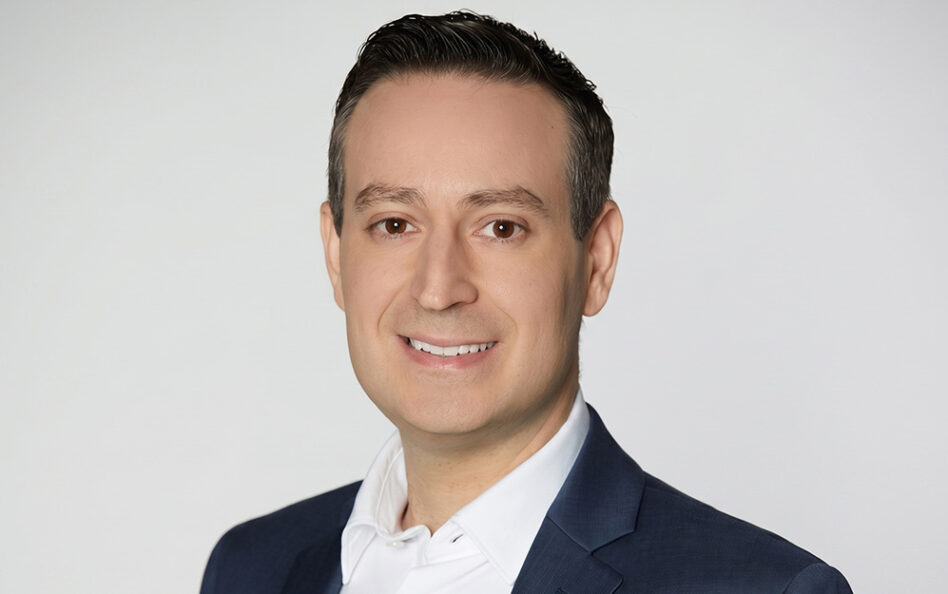
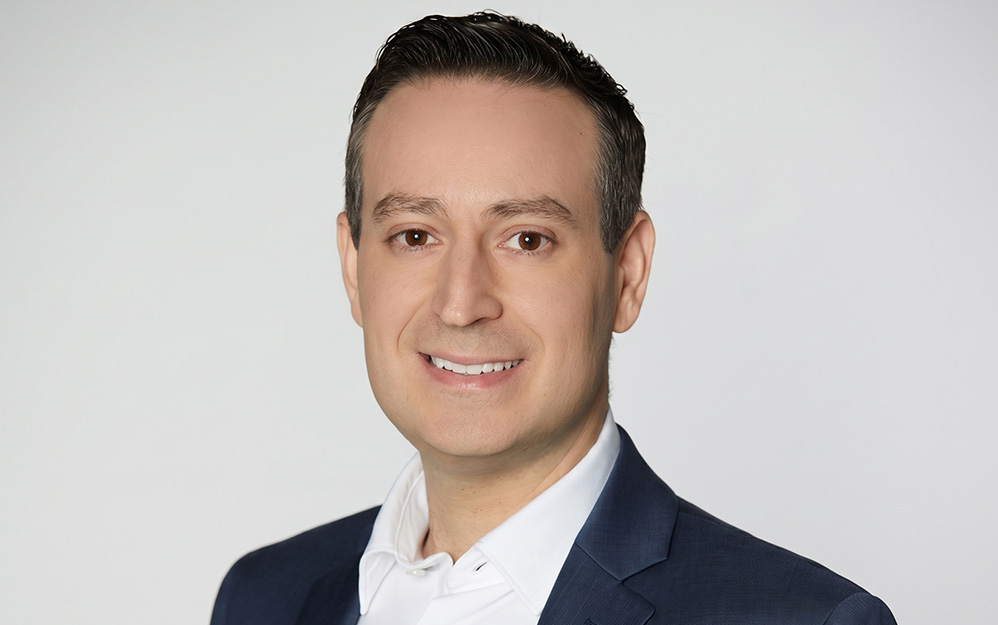
Miguel Lorenzo, SVP of Sports Content at Telemundo: "Sports that are relevant to our audience in the U.S. bring more overall audience every day"
Miguel Lorenzo, SVP of Sports Content at Telemundo, told PRODU that for a company like Telemundo and NBCUniversal, and for the industry in general, live sports are extremely important and fundamental.
“We have the most recent example, the World Cup: live sports events continue to be the ones that bring the biggest audience, no matter the platform: TV, streaming, social. Live sports also drive higher CPMs for sales and have a tremendous influence on retransmission agreements for companies like ours,” Lorenzo noted.
He added that to be successful in media, a company needs to prioritize live sports in its business, “because they continue to be appointment viewing events, that people—although they might still watch the highlights—but when we’re talking about sports, watching them live continues to be something that brings audiences to record levels, regardless of the platform.”
THE WORLD CUP BY THE NUMBERS
For Lorenzo, one of the standout points among the records set by the FIFA World Cup 2026 for the company, and one that fills him with pride, “is that Hispanics watched this World Cup more than any other World Cup in U.S. history.”
Lorenzo highlighted several factors that contributed to this result, including production, talent, and the way they deployed talent. “We not only had former FIFA legends like Valdano and Zamorano, who played and everyone knows them and were part of the coverage, but we also had reporters from different Hispanic countries, commentators, and the way we used that talent also represented great value for the audience. When we broadcast a Colombia match, for example, we had different Colombians in different roles, whether a sideline reporter or an expert. And we never intended to replicate what Caracol is for Colombians. But we could create an experience for watching soccer that, for the audience, felt authentic to how they’re used to watching soccer. That’s what we tried to do, and I believe the numbers show that’s how it turned out at this World Cup,” he said.
Lorenzo also highlighted the growth achieved in the World Cup’s streaming audience.
“To give you context, at the 2018 World Cup in Russia, consumption on our platform was 5% in streaming. At Qatar in 2022, that rose to almost 25%. And at this World Cup, it nearly reached 50% of the audience that watched on Peacock and streaming. That also reflects a bit of the industry trend, that every day there’s more consumption of sports, news, everything, on streaming platforms,” he commented.
He added that what’s interesting and good for them is that despite how content consumption on streaming keeps changing, at Telemundo they still had rating records. “What that shows is that, yes, maybe how audiences watch content keeps changing, but at the same time, sports that are relevant to our audience in the U.S. bring more overall audience every day, because it’s not that we saw almost 50% consumption on Peacock and then Telemundo went down. No, it was the opposite case. All platforms saw an increase,” he noted.
Another point Lorenzo mentioned was that between FOX and Telemundo, they had 50% of the entire U.S. audience following the World Cup. “The context behind that, which makes that number even more impactful, is that Hispanics in the U.S. only make up 20% of the population. What that indicates is that, in addition to the majority of Hispanics watching the World Cup, non-Hispanic people who don’t speak Spanish also watched the World Cup on Telemundo, on Peacock, through TV, at levels we had never seen before,” he indicated.
Other reasons Lorenzo cited that supported the record figures for the World Cup on Telemundo were “the passion of our coverage, the excitement of the talent, not going to commercials during the hydration break, being available on different platforms like Peacock. Peacock’s price, for example, was cheaper compared to the alternative on FOX. Being live for every match. All of that added up gave plenty of reasons for the audience, even without knowing Spanish, to watch it on Telemundo.”
OTHER SPORTS PROPERTIES
In addition to the FIFA World Cup, Telemundo recently acquired the rights to the UEFA Champions League and, more recently, Italy’s Serie A soccer league.
“We have the biggest leagues: England’s Premier League, the Bundesliga, Serie A, Liga MX. We are the home of Team USA, US Soccer, for both men and women in Spanish. That deal was extended through 2030. And then, outside of soccer, there are other sports that are very important for the audience. We are the home of the Olympics, again through our relationship with NBC Sports. And we’re already preparing for the Olympics in Los Angeles in 2028. We have Sunday Night Football, the NFL, we have baseball, we have the NBA. We had the Super Bowl this year in February, the most watched in the history of Spanish-language TV in this country. Yes, we are the home of soccer, but we are the home of sports, and adding a property as important as the UEFA Champions League allows the audience that comes to Telemundo and Peacock to have plenty of options for consuming sports,” he said.
He added that Hispanics are interested in various sports and those audiences keep growing. “That’s why we’ve prioritized not only soccer, but also baseball and the NBA, among others,” he noted.
AUDIENCES ACROSS MULTIPLE PLATFORMS
Lorenzo also mentioned the importance of reaching audiences in different ways, not just through one platform or one ad time sale.
“When you can have live sports and then content generated by those live events across different platforms, whether TV, streaming, Connected TV, FAST, social, it gives us different opportunities to connect with audiences in the way they want to invest their time in content. For us, that means we have to invest in technology, invest in creating content that truly connects with audiences, and eventually, depending on the platform, we can also monetize these views and that engagement with the audience. It also allows us to connect with audiences that maybe don’t consume much on TV or don’t consume much on one platform, but we can hook them on social, for example, and maybe a younger audience. If we can establish that connection with content created in a native and authentic way on one platform, it positions us to better carry that person and that audience to other platforms, where we might be able to monetize it better,” he commented.
STRATEGIC ACQUISITION OF SPORTS RIGHTS
Given the rising cost of sports rights, Lorenzo commented that as a company they need to be very disciplined financially.
“We have to be very disciplined on the financial side regarding the opportunities we explore and be very strategic about where we want to invest the money, the time, the effort. And at the same time, never sacrifice the quality of production, of content, because at the end of the day we have a commitment to the audience to bring them the best. And well, we saw that commitment at the World Cup. When we prioritize production, talent, content creation, and experiences that are not only authentic but at a high level, the audience connects and comes to Telemundo to watch it. That can never be compromised. But at the same time, obviously you can’t buy everything, and we have to be very strategic about every opportunity we analyze.”
As a final thought, Lorenzo noted that sports consumption will continue to grow, with streaming being one of the platforms where it will keep growing.
“The World Cup also showed that when there are live sports that have a cultural-level impact for the U.S. audience, they will continue to attract large audiences across different platforms. And at the end of the day, Telemundo, with the sports rights we have and those we will always continue to analyze, will be in the middle of all that growth in the world of sports in the U.S.,” he concluded.


Diario de Hoy
|
viernes, 25 de septiembre de 2026 |