U.S. HISPANIC Versión en español
3Pas Studios, F3 Media and ViX’s Model for Exporting the Animated Comedy Circo Gómez
Vanessa Maldonado | 5 de junio de 2026
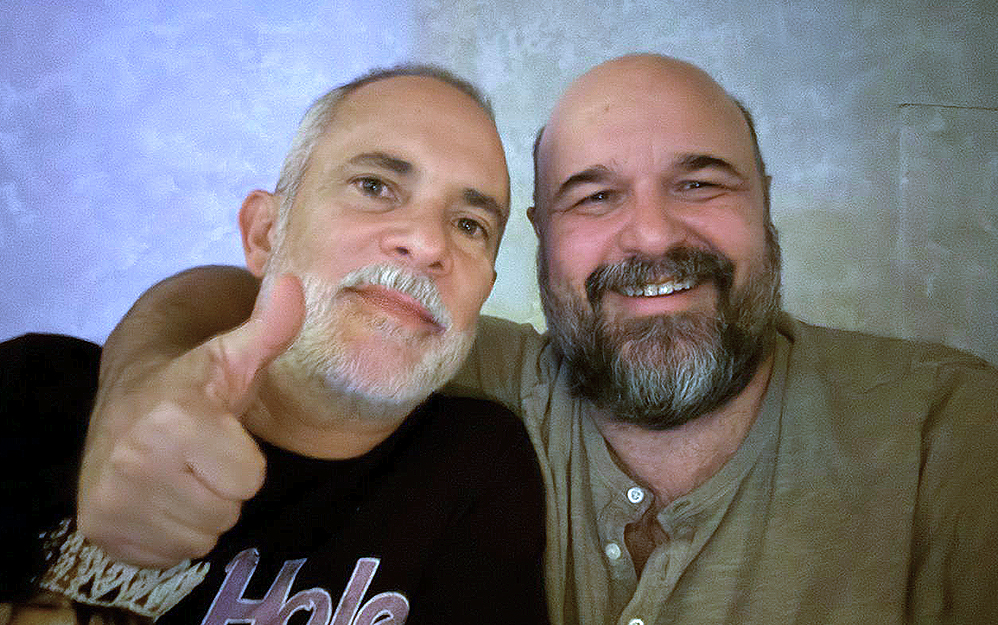
Arturo Navarro and Teco Lebrija of F3 Media, producers of Circo Gómez for ViX
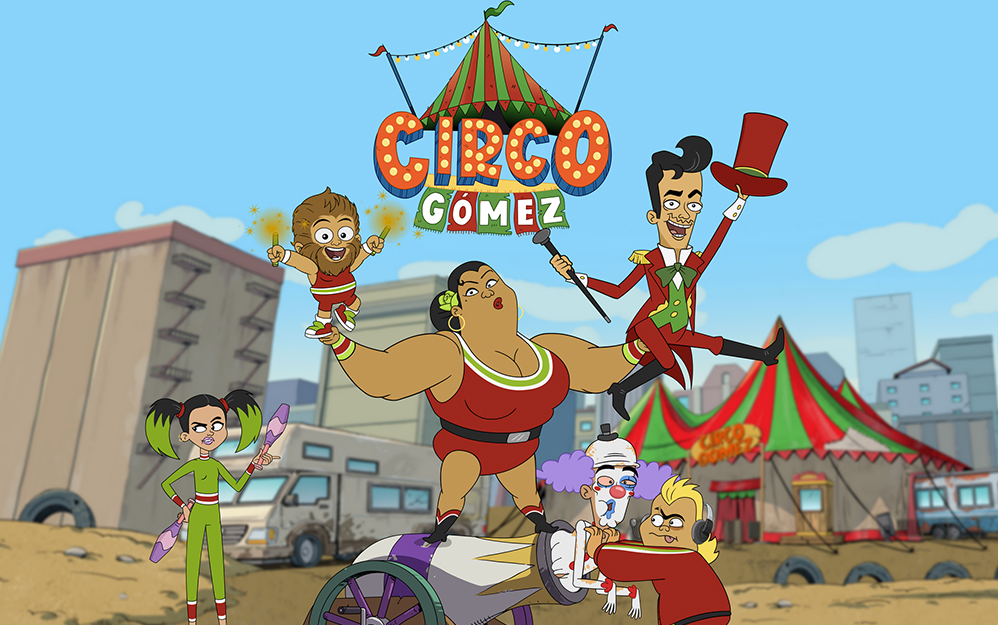
Circo Gómez, the new 10-episode animated comedy produced by 3Pas Studios, F3 Media and Visceral, premiering this Friday, June 5 on ViX, is redefining adult animation production in Latin America. Following its showcase at Pixelatl, executive producers Jordan Rubio (3Pas Studios), Teco Lebrija and Arturo Navarro (F3 Media) revealed the details behind the reengineering of this IP. The creators explained how they transformed an idea originally conceived in English for the U.S. market into a 100-percent Mexican product with international appeal.
THE IP’S STRATEGIC FOUNDATION
The series originated in 2019 as a concept adapted to the U.S. reality. However, the partnership with TelevisaUnivision changed its direction. The narrative was relocated to the fictional town of San Jacinto El Chico to establish a stronger local identity.
Jordan Rubio, Development and Production Executive at 3Pas Studios, explains the story’s cultural transition: “Obviously, when you’re adapting something to another country, we wanted this series to feel extremely Mexican. One of the structural considerations was asking ourselves what makes this series feel Mexican. We’re saying the circus is in Mexico. What does that mean? What happens in Mexican circuses? What is a circus family like? From there, we focused heavily on the idea that this is a family. How can we make it feel like a real family of performers living in a declining world?”
The design of the visual universe also responded to a strategy of geographic universality.
“We wanted to create a town with many characters and build an entire world, but how could we make it feel Mexican without someone saying, ‘Oh, that’s obviously Mexico City or Guadalajara’? It’s a bit of everything. We wanted to maintain some mystery about where the town is located so that anyone in Mexico could say, ‘That’s my hometown.’ Structurally, that was the biggest challenge.”
Circo Gómez, the animated series from 3Pas, F3 Media and Visceral for ViX, will premiere at Pixelatl (September 9–13). Featuring the voices of Eugenio Derbez and Omar Chaparro, the series is aimed at adult audiences. Jordan Rubio, executive producer of Circo Gómez and 3Pas Studios’ development and production executive focused on animation and comedy, spoke with PRODU about the project.
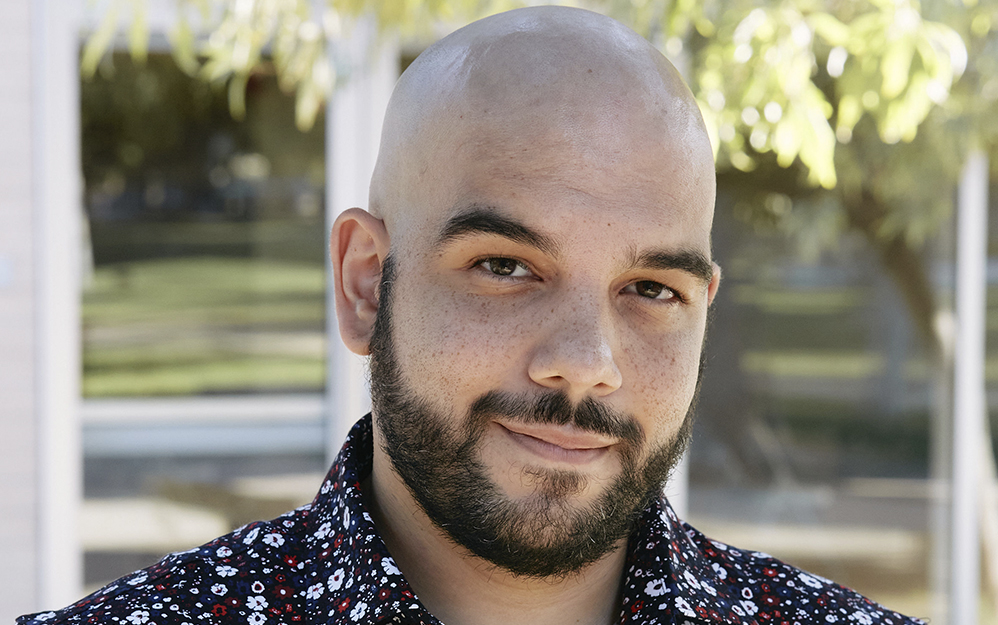
Jordan Rubio of 3Pas Studios
A BLANK CANVAS FOR F3 MEDIA
For F3 Media, development meant receiving a clean foundation of characters, allowing the team to build the visual comedy from the ground up.
Teco Lebrija, co-founder of the animation studio, highlighted the creative freedom available in the project’s early stages: “The great thing was that they handed us five characters and there wasn’t much development behind them. Sometimes you can get trapped if you’re told it’s set in Texas or somewhere specific. They gave us five characters, and we were able to start from scratch, creating the entire universe, the town, everything. It was practically a brand-new project for us.”
Arturo Navarro, partner and executive producer at F3 Media, added: “It was like being handed a blank canvas with five characters. It was a fantastic process overall.”
BREAKING THE IN-HOUSE MODEL THROUGH STAR POWER
F3 Media, known for La Familia del Barrio, had historically operated under a model of complete in-house control. The addition of talents such as Eugenio Derbez (Filiberto Gómez) and Omar Chaparro (Refugio/Lobito) transformed the studio’s methodology.
Navarro noted that they were previously accustomed to working with small budgets:“We had to solve everything ourselves. We already had a proven formula. We could produce episodes in a week or ten days.”
Lebrija added that the production helped them step outside their comfort zone and that: “I wouldn’t do it any other way now.”
He described the transition toward a more open and collaborative approach: “While making La Familia del Barrio, I did all the voices myself. Arturo helped record them, but I performed 14 voices on the series. We did everything in-house: writing, animation, music, everything. Now we’ve worked with incredibly talented people—obviously Eugenio, Omar, Diana Bovio and Vanessa Bauche, but also many others from the cast. Jordi, who composed all the music and is truly a genius, editors and many more. Working with more people, opening our horizons and not staying inside a bubble helped us tremendously. We learned so much and it was an incredible experience.”
Navarro also praised the collaboration with the streaming platform: “Working with ViX was great. The people we worked with contributed a lot to the series. Their notes were very valuable. It was a different production experience from what we’d had before, but we learned a great deal and really enjoyed working this way.”

Circo Gómez for ViX
LESSONS IN PIPELINE MANAGEMENT AND FEEDBACK PROCESSING
The technical workflow involved multiple layers of corporate review. This industry-standard process strengthened F3 Media’s structure as a production company.
Lebrija reflected on the impact of external supervision: “We’ve always been proud of delivering projects on time and at a high level, but we’d only ever had one layer of review. This time there were several: with 3Pas, then ViX, then a second round of notes, then animation revisions and changes. We learned a lot about working outside our comfort zone. In the end, when you see the finished product, you realize it’s better. At the moment you might think, ‘I have to change this,’ but after making the change, you realize the external notes improved it.”
Navarro added: “We learned to manage more variables than ever before. Handling all of that and putting out fires helped us grow into a more formal production company, where you don’t control everything from the beginning and have to solve problems quickly. It meant expanding the team, managing more people and delivering on time while maintaining quality.”
OPTIMIZATION AND CREATIVITY IN ANIMATION
Rubio emphasized the technical differences between animation and live action, particularly regarding script optimization: “For us, it was a learning experience in how to manage an animated series. We had so much ambition and wanted to achieve such a high level that we had to figure out how to reach that final product. The pipeline is very different from live action. Instead of saying, ‘I don’t like this scene, do it again’—because there’s neither the time nor the resources for that—we had to find creative solutions.”
Rubio explained the direct collaboration with the studio’s technical leadership: “We learned a lot from Teco and Arturo by asking, ‘This artist is really good at this particular thing, so why don’t we request this specific change to achieve what we want without altering everything else?’ It was a wonderful experience. I learned a lot about continuing to push the script. How can we improve this joke? During recording, how can we do this line three different ways so the edit works better? It was always about identifying what could realistically be improved within the available time.”
MEXICO AS AN EXPORTER OF ORIGINAL IP
The producers agree that the Mexican industry is ready to take the next step. The goal is to move beyond being a technical outsourcing hub and become a powerhouse for storytelling and intellectual property creation.
Lebrija expressed confidence in the show’s competitiveness: “We believe it can compete with anything in the world. Our studio is dedicated to comedy. I see myself first as a writer and then as an animator. The most important thing is the story—it’s both the hardest and the most important part. Making people laugh is incredibly difficult, especially when you’re writing words and imagining the audience laughing. That’s where this series is strongest: its comedy. I believe that can compete anywhere in the world.”
Navarro concluded with an assessment of the current market: “Mexico is already a powerhouse for animation production services. At Pixelatl, you can see that because of global pricing, the international animation industry comes here to produce. But writing and creating your own IP is much harder, and there’s still not enough of it. I think projects like this will open many doors and build confidence that stories can also be written and created here, with storytelling capable of competing internationally.”


Diario de Hoy
|
martes, 20 de octubre de 2026 |