U.S. HISPANIC Versión en español
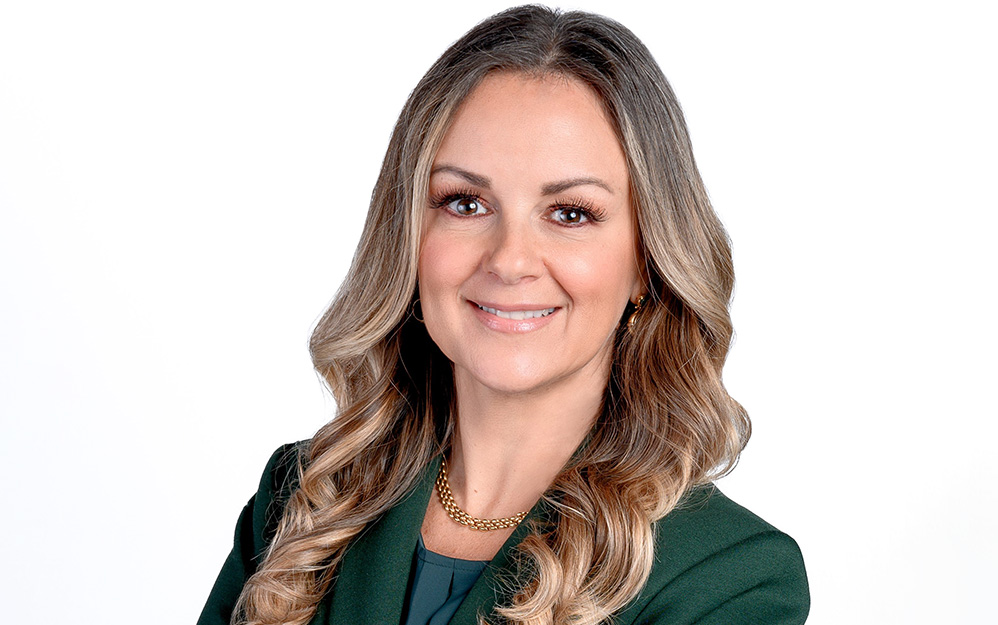
Alberto Chaia of McKinsey & Co.: “The World Cup in the U.S. Offers a Rare Window to Connect with Latino Consumers”
Maribel Ramos-Weiner | 19 de junio de 2026

The FIFA World Cup represents a major opportunity for companies, teams, and FIFA itself to engage with the Latino community
A report conducted by McKinsey & Company in partnership with NBCUniversal Telemundo presents compelling findings on how Latino fans are reshaping the economics of sports in the United States. The research reveals why investing in Latino audiences is not only a smart decision, but a strategic business imperative.
Among the key findings:
-Latino fans are expected to drive one-third of the projected US$140 billion growth in the U.S. sports economy by 2035.
-Latinos spend 15% more on sports than non-Latinos and are leading the shift toward digitally driven sports engagement.
-However, Latinos remain underrepresented in sports leadership positions and media roles, a gap that represents both a challenge and an opportunity for the industry.
“Latinos are essential to the future of sports fandom in the U.S.—on the field, in the stands, and across every screen. As McKinsey’s report confirms, Latinos are driving one-third of the industry’s growth: they spend more, stream more content, and engage more deeply than ever before. At Telemundo, we understand the deep and enduring connection our audience has with sports and the passion behind every match. We have built stories, coverage, and experiences that reflect the intersection of fandom and today’s culture. With the FIFA World Cup on the horizon, this is a defining moment,” said Monica Gil, Chief Administrative and Marketing Officer of NBCUniversal Telemundo Enterprises.

Alberto Chaia, Senior Partner at McKinsey & Company, spoke with PRODU about the report.
Chaia highlighted that the U.S. sports economy could double over the next eight to ten years, with nearly one-third of that growth coming from the Latino population.
He also noted that the Latino population in the U.S. could approach 25% within the next decade, further reinforcing the strategic importance of this audience for brands, teams, and leagues.
The executive emphasized that Latino fans are not a homogeneous group; differences exist across nationalities and sports preferences. He pointed out that soccer remains the sport with the broadest appeal among Latinos.
The conversation underscored the need for teams, leagues, and sports organizations to understand how to communicate with Latino fans more effectively by tailoring messages to their cultural and national differences.
OTHER FINDINGS FROM THE REPORT
Chaia noted that the study reveals a significant connection between sports participation and professional success: “Among Latinos serving on corporate boards, 87% said they had participated in organized sports at some point in their lives.” He added that this correlation appears even stronger among women, as Latinas who participated in sports tend to have more successful corporate careers.
The report also found that soccer is, “by far,” the sport with the highest participation and following among Latinos, creating a major opportunity for brands and organizations.
WORLD CUP AND MARKET OPPORTUNITY
Chaia stressed that the FIFA World Cup represents a “massive” opportunity for companies, teams, and FIFA itself to engage with the Latino community.
He noted that spending related to World Cup promotion and broadcast rights in the U.S. is estimated at approximately US$11 billion.
He recalled that the rights to broadcast the 2022 World Cup in North America cost roughly US$500 million, illustrating the significant increase in the value of the event.
Chaia also pointed out that the three-country hosting format involving Mexico, the United States, and Canada expands both the reach and commercial relevance of the tournament.
It was noted that there will be 104 matches, each accompanied by related activities and events, greatly expanding content and sponsorship opportunities.
“The World Cup in the U.S. offers a rare window to connect with Latino consumers, especially because it will not return to the country anytime soon,” he added.
ADVERTISING INVESTMENT GAP
Chaia commented that the gap between advertising investment in the Hispanic market and the general market continues to persist.
“While there is greater awareness of the need for a dedicated Latino strategy, relatively few brands and organizations are truly executing one,” he said.
Advertising investment targeting the Hispanic market continues to hover between 3.4% and 3.8%, with little meaningful change over many years.


Diario de Hoy
|
viernes, 23 de octubre de 2026 |
Noticias relacionadas (5)

12 de junio de 2026
Somos Más: Telemundo Unites Hispanic Fans Throughout FIFA World Cup 2026
12 de junio de 2026
New YouGov Research Highlights the Brand Impact of FIFA World Cup 2026