
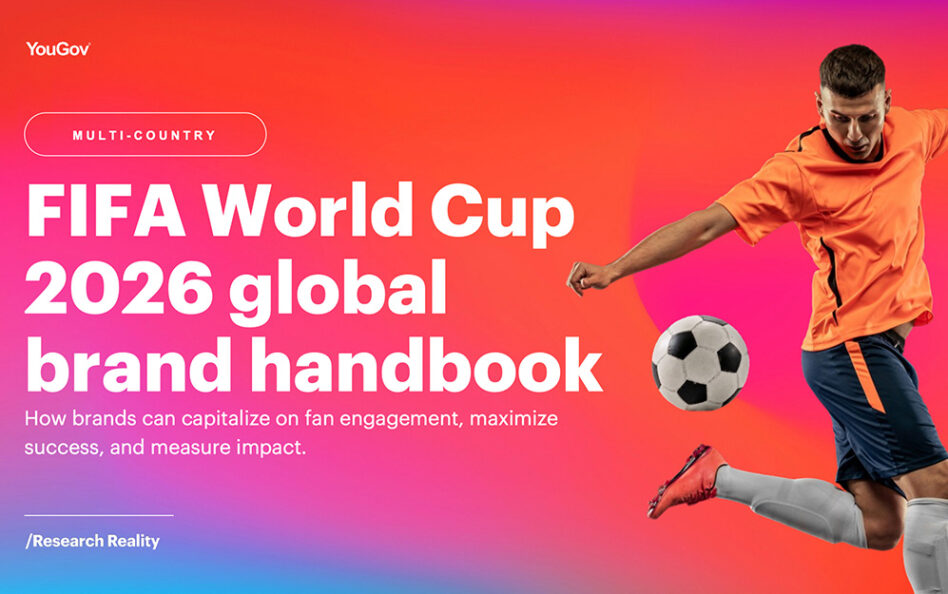
The study found that 42% of adults globally are likely to follow the FIFA World Cup 2026
The FIFA World Cup 2026 is shaping up to be far more than a sporting event. According to new research from YouGov, the tournament is becoming a cultural phenomenon that spans sport, entertainment, travel, and identity, offering brands a unique opportunity to connect with highly engaged consumers across multiple markets.
The study found that 42% of adults globally are likely to follow the FIFA World Cup 2026, demonstrating the tournament’s reach well beyond traditional football fans. Interest is particularly strong in host nation Mexico, where 57% of adults say they are likely to follow the competition.
For marketers, the appeal lies not only in scale but also in audience quality. World Cup followers tend to be younger, more affluent, and more receptive to sponsorship messages than the general population. More than half of likely followers say they pay attention to brands that sponsor the tournament, while nearly half report feeling more positively toward brands associated with the FIFA World Cup.
The research also highlights the growing importance of younger audiences. Fans aged 18 to 34 are significantly more likely to notice sponsors, engage with branded content, and take action as a result of sponsorship, including trying a brand for the first time, participating in promotions, or choosing a sponsor brand over competitors.
Social media has emerged as one of the most influential channels for sponsor visibility, particularly among younger fans. Nearly half of younger followers recall seeing World Cup sponsor branding on social platforms, underscoring the importance of digital-first campaigns and culturally relevant storytelling.
For brands investing in on-site experiences, the findings suggest that fans are seeking memorable, shareable moments. Attendees are highly motivated by social experiences with friends and family and are more likely than the average consumer to create content for social media, engage with activations, and respond positively to sponsor-driven experiences and exclusive offers.
The report also demonstrates that sponsorship can have measurable business impact. Case studies highlighted in the research show positive gains in brand perception, purchase intent, and consumer engagement for companies leveraging World Cup-related campaigns and partnerships.
As anticipation continues to build across North America, the FIFA World Cup 2026 represents one of the largest opportunities in recent history for brands to build relevance, strengthen consumer trust, and connect with audiences through one of the world’s most emotionally resonant events.
|
viernes, 12 de junio de 2026 |