There is no formula for making an idea go viral, but there is a common principle behind the campaigns that do: they begin with culture, not with the ambition of chasing views.
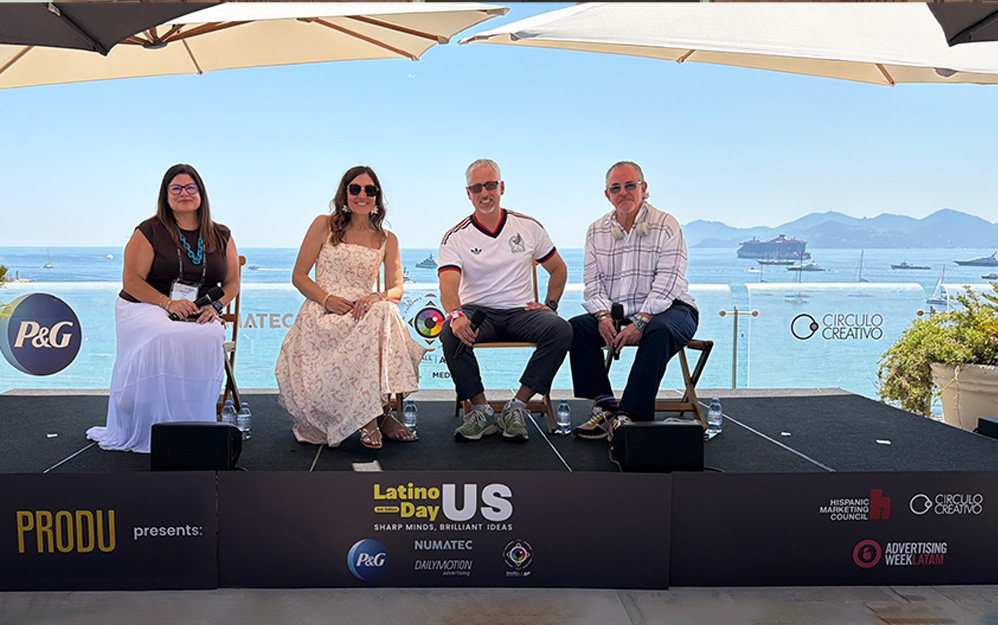
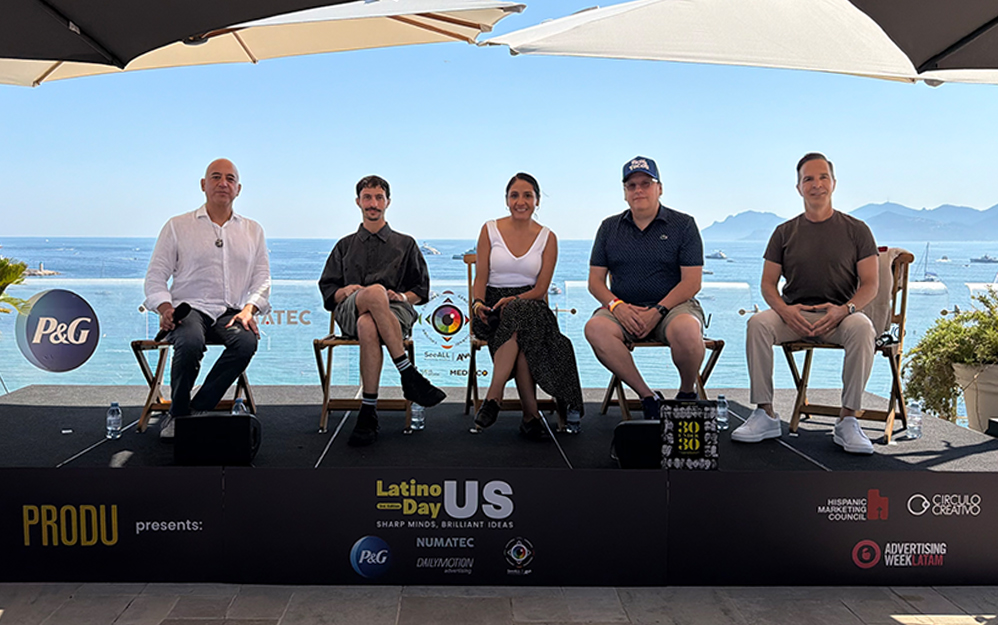
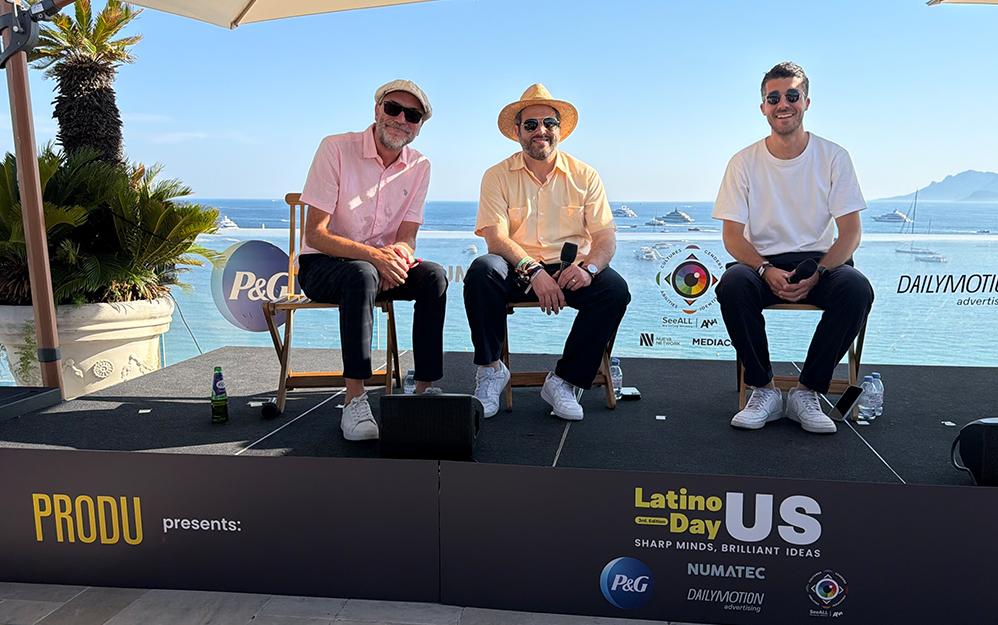
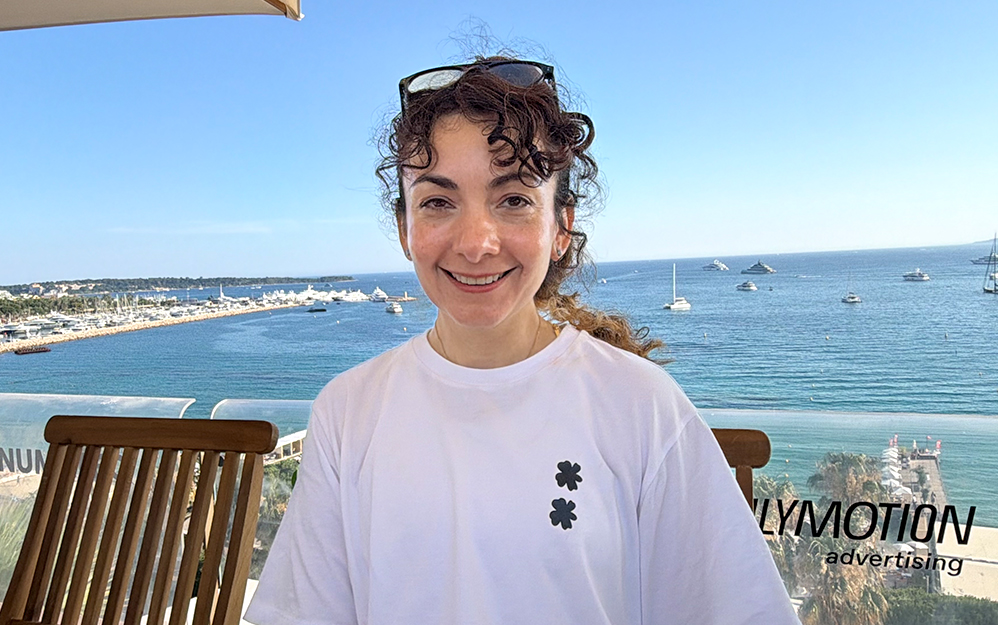
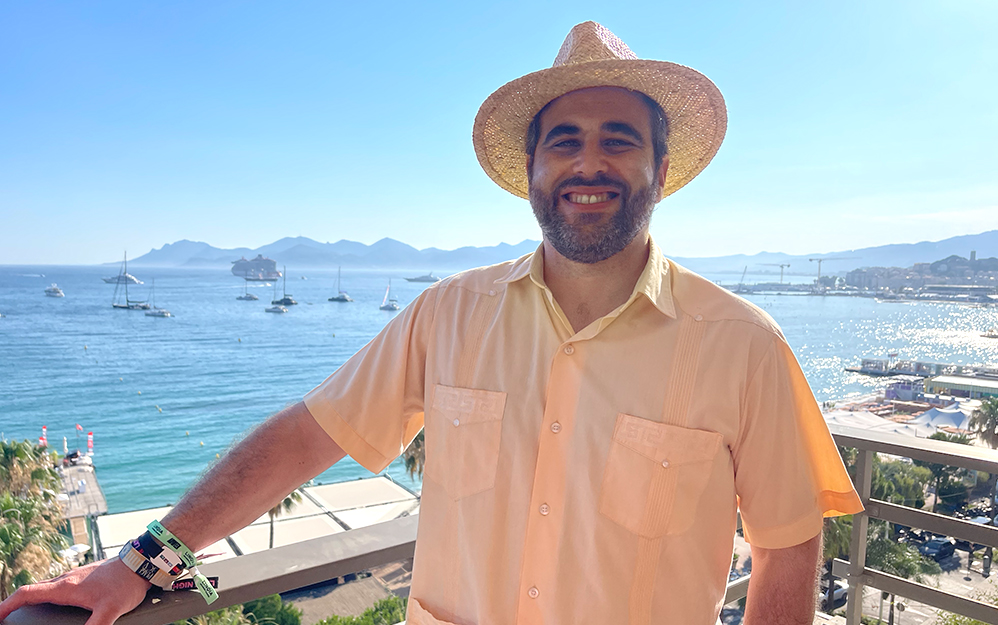
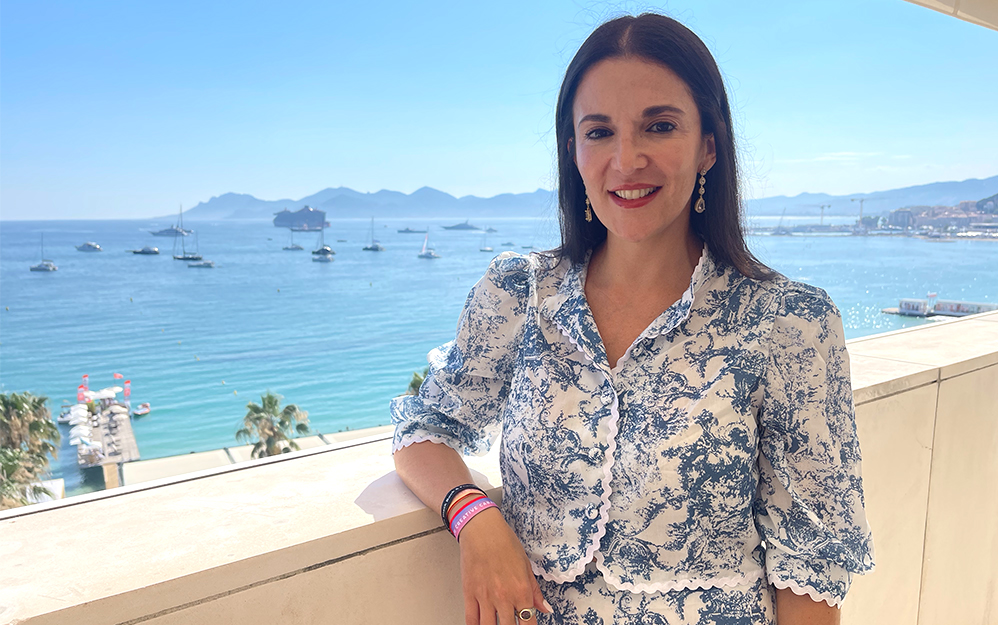
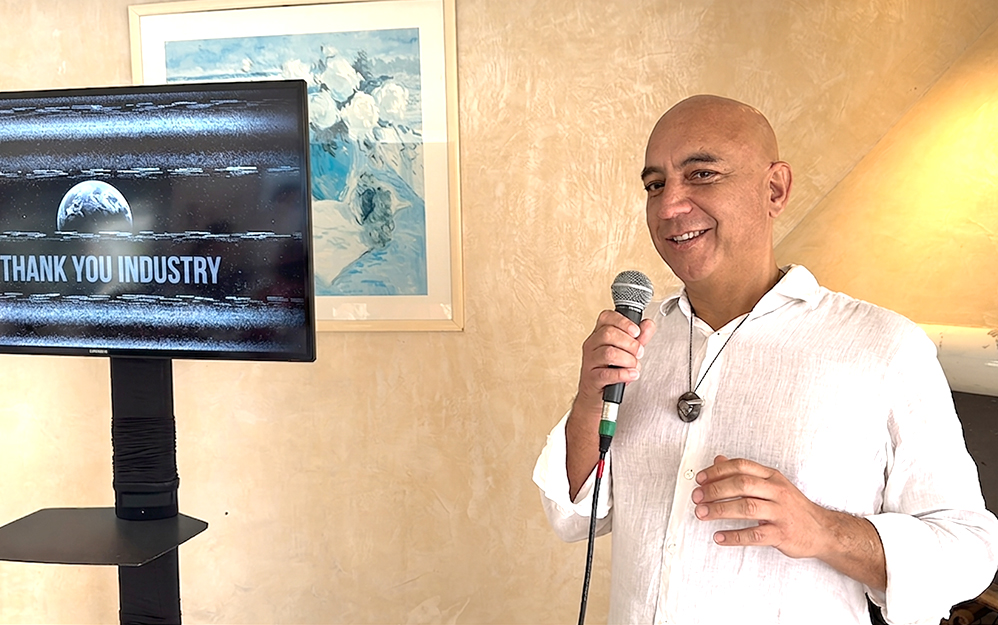
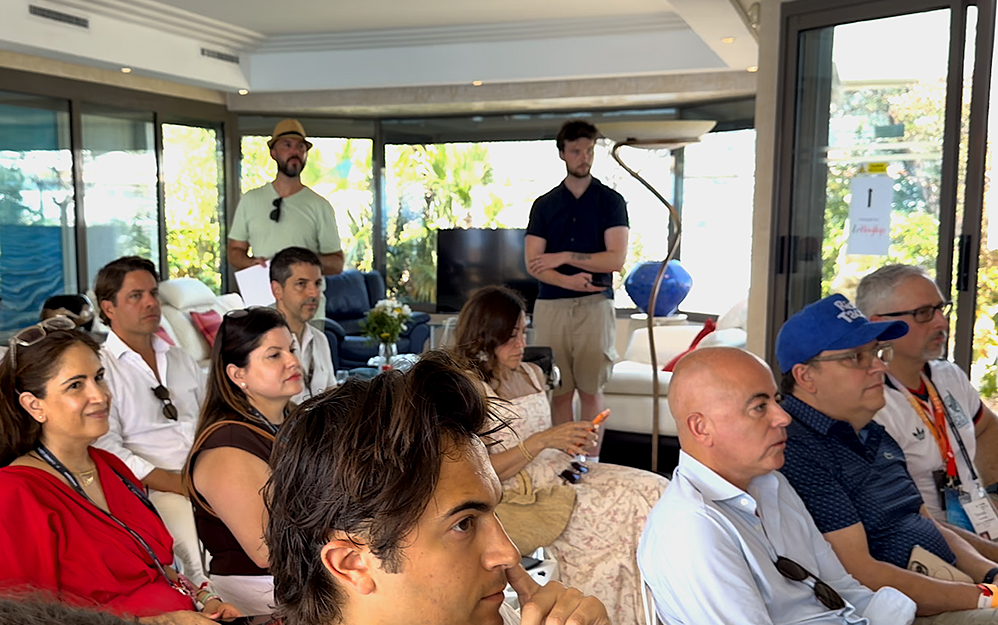
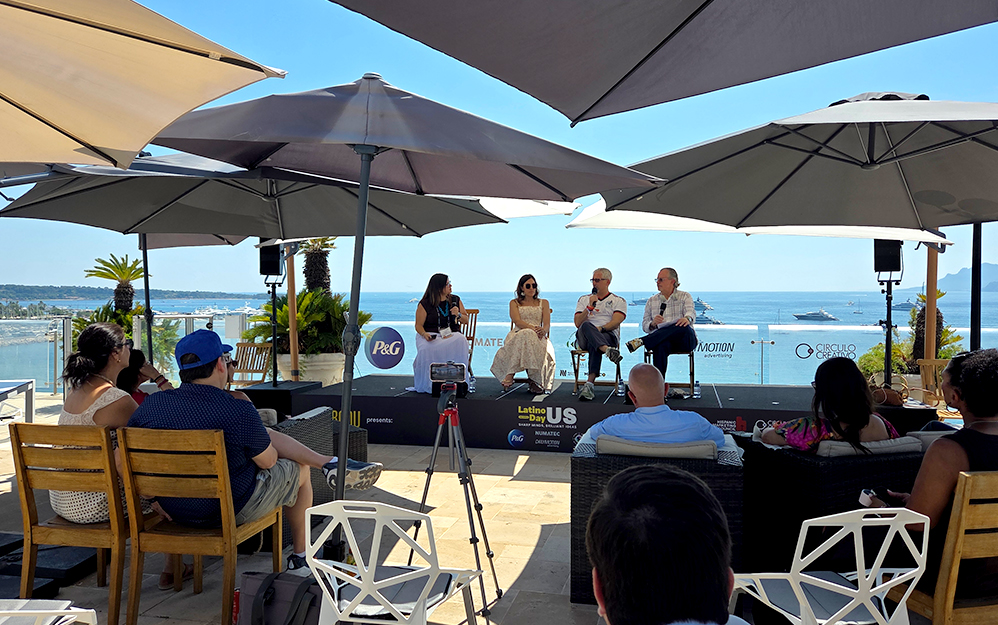
That was the central message from the Círculo Creativo USA Session: The Freedom to Create Viral Ideas at Latino US Day during Cannes Lions 2026. Moderated by Alejandra Haro, the panel brought together Verónica Elizondo (Conill), Beatriz Torres Marín (alma), Christian Mondragón (Casanova//McCann), and Checha Agost-Carreño (Founders) to discuss what makes ideas resonate in today’s creative landscape.
“We’ve all heard it before: the client says, ‘We want a viral idea,'” Haro said in her opening remarks. “But what actually makes something go viral? Is there a formula, or is it something deeper?”
For Elizondo, the answer is simple: brands cannot manufacture virality. “You control the idea. People make it viral.”
She illustrated that philosophy with Toyota’s 4Runner Landia campaign, which combined two insights: the growing urbanization of SUVs and the emotional connection many Latinos have with owning land. Instead of simply giving away a vehicle, Toyota offered the SUV together with a piece of land, generating five times more registrations than expected.
Torres Marín argued that successful ideas emerge by identifying cultural behaviors rather than following trends.
Discussing the Narcos Spanish Lessons campaign for Netflix, she explained that the team noticed audiences joking online about learning Spanish while watching the series with subtitles after the pandemic.
“We listened to culture, not trends,” she said. “We never started the brief by saying, ‘Let’s make something viral.'” Mondragón said the definition of virality has evolved beyond impressions and engagement metrics.
“Today it’s about getting people to do something with your idea.” He cited The Bullet Pen, created from spent bullet casings used to sign Colombia’s peace agreement, as an example of an idea whose influence extended far beyond advertising, eventually reaching Pope Francis, Queen Elizabeth II, and the Nobel Museum.
The conversation also focused on purpose-driven creativity and the willingness to challenge convention.
Agost-Carreño shared the story behind 30 Under 30, a campaign honoring children killed by gun violence after Forbes declined to publish the concept because it was considered too political.
“If you don’t have to call the lawyers, maybe the idea isn’t strong enough,” she said, encouraging creatives to embrace risk rather than avoid failure.
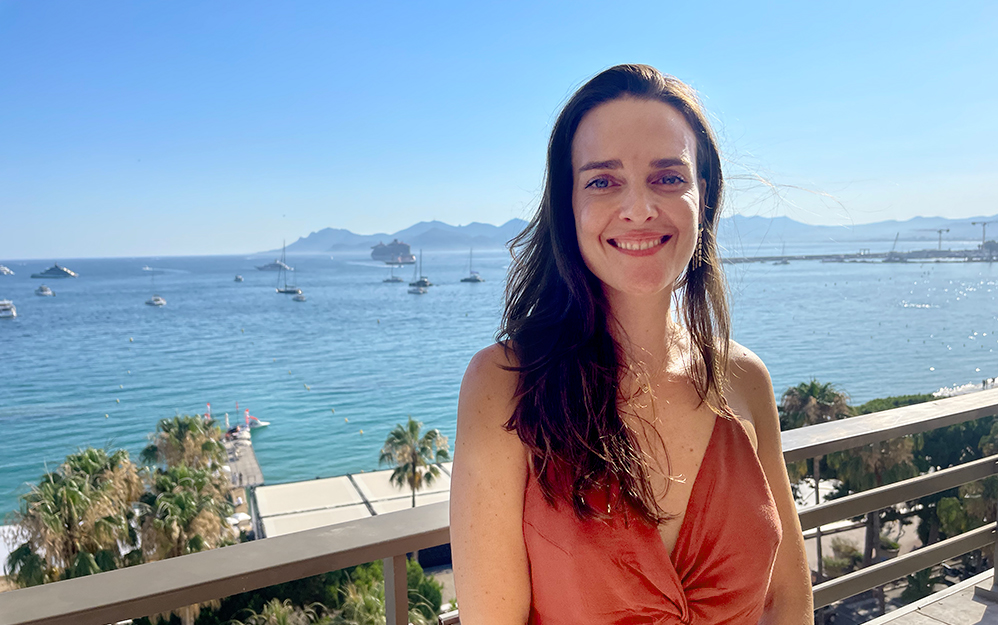
Patricia Oliver, whose son Joaquín was killed in the Parkland school shooting, joined the discussion to emphasize the value of creativity in advancing social causes.
“You’re not selling a brand,” she said. “You’re selling life and safety.”
Artificial intelligence also entered the conversation, with panelists agreeing that technology can accelerate execution but cannot replace human creativity.
“AI needs emotional intelligence,” Mondragón said. Torres Marín described AI as a powerful tool whose value ultimately depends on the people using it.
“The tool doesn’t have the power. We give it the power.” Closing the session, Haro reminded the audience that standing out requires more than algorithms or media budgets. “To break through the noise,” she said, “brands have to be different, and they have to make people feel something.”