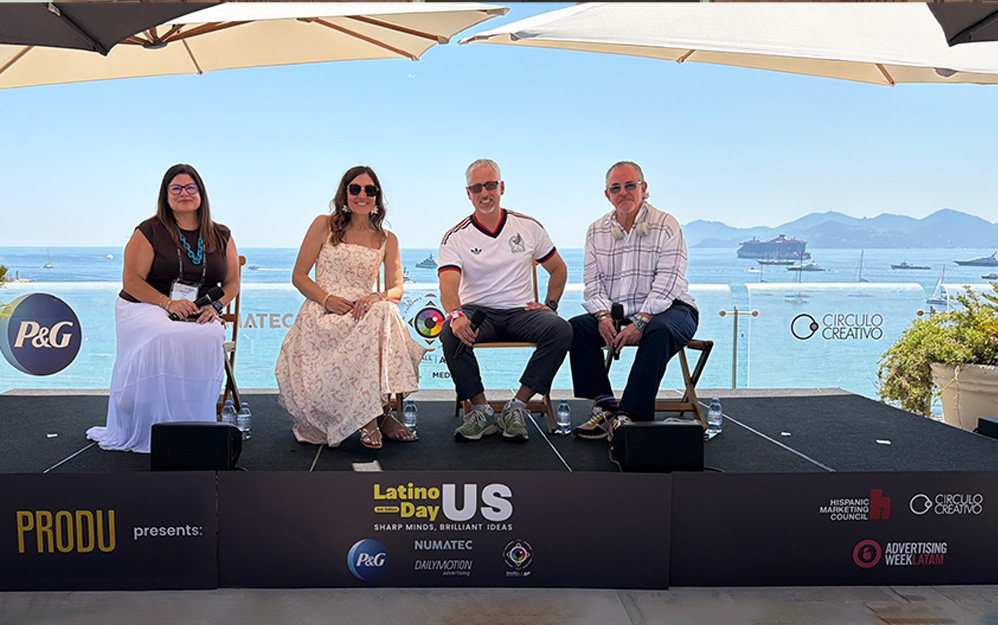
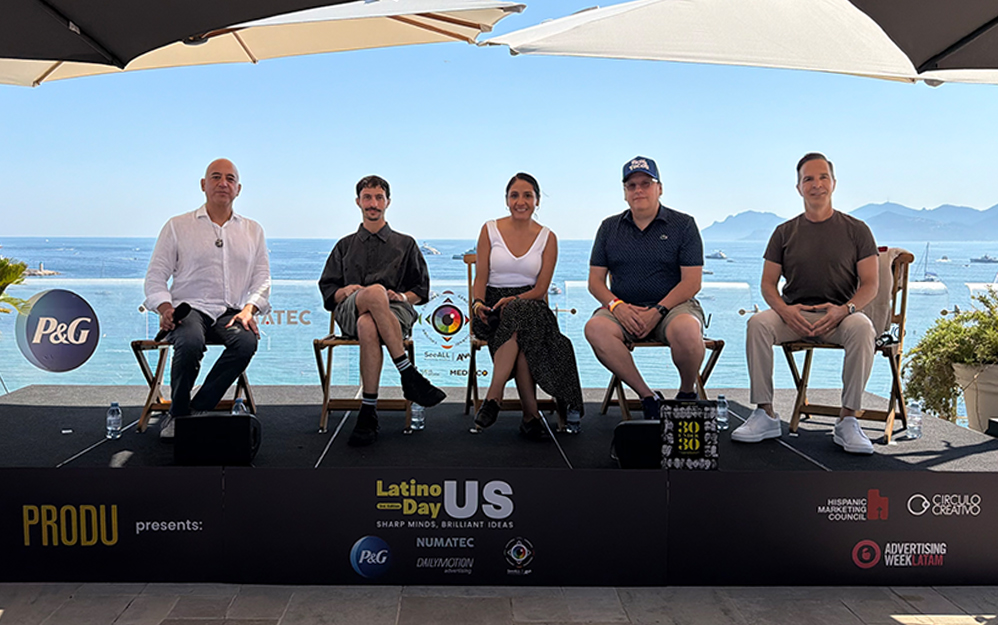
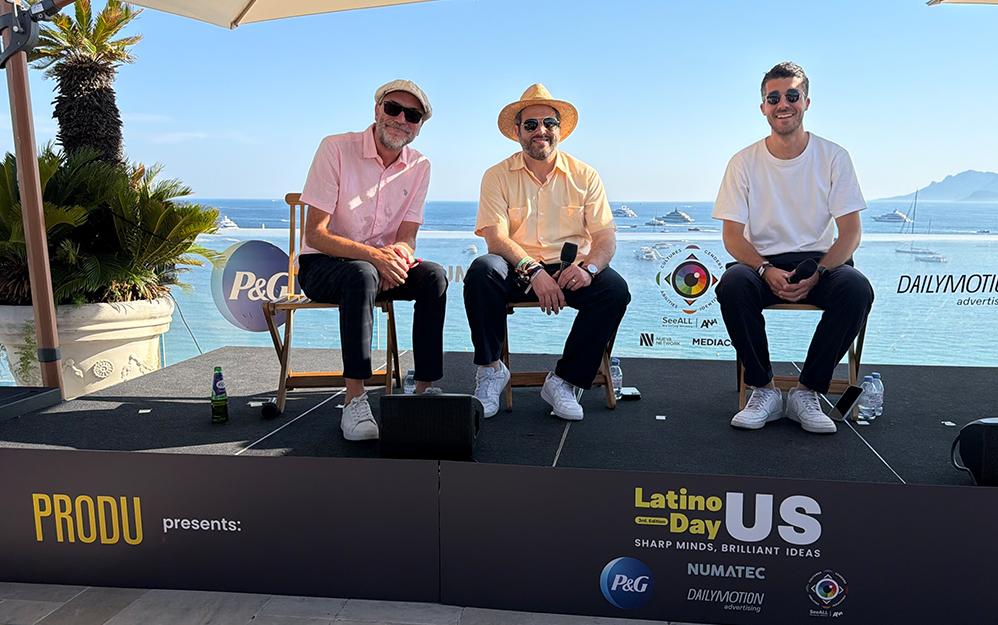
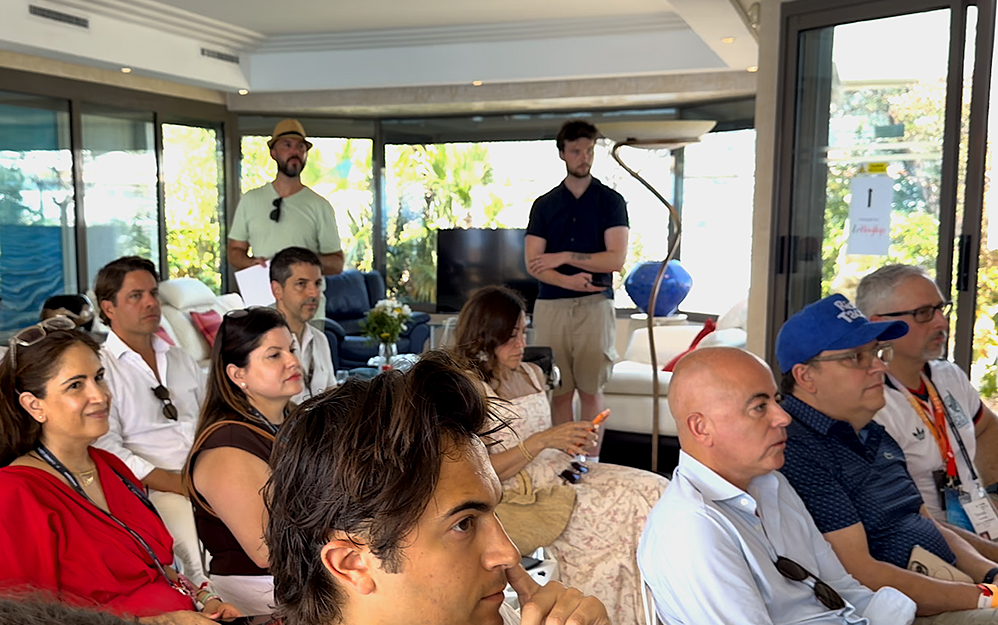
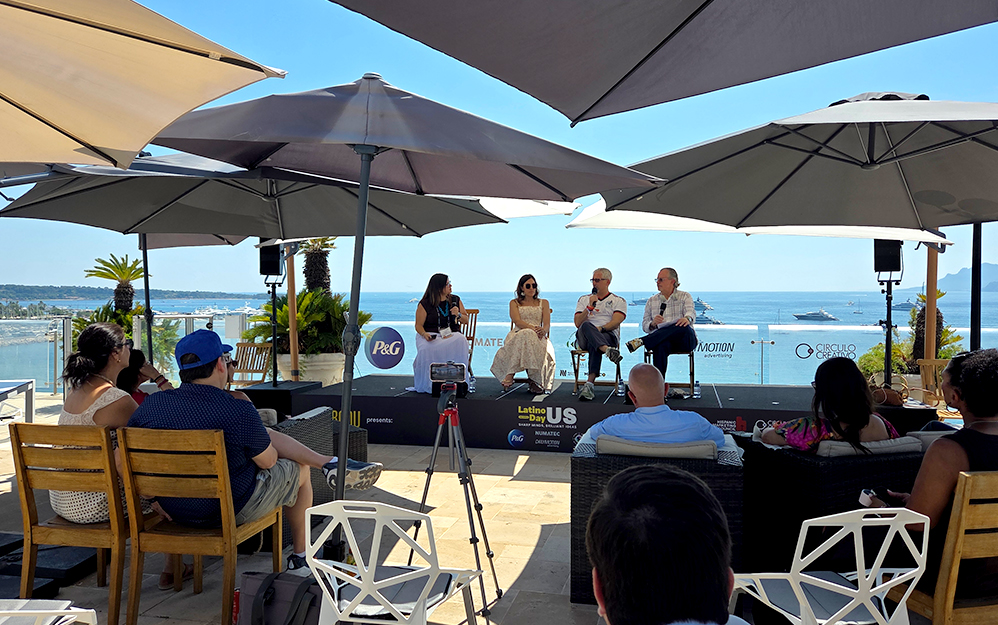
Inclusion, accessibility and cultural relevance are no longer optional initiatives—they have become essential drivers of business growth. That was the central message of the Culture is Currency session at Latino US Day during Cannes Lions 2026.
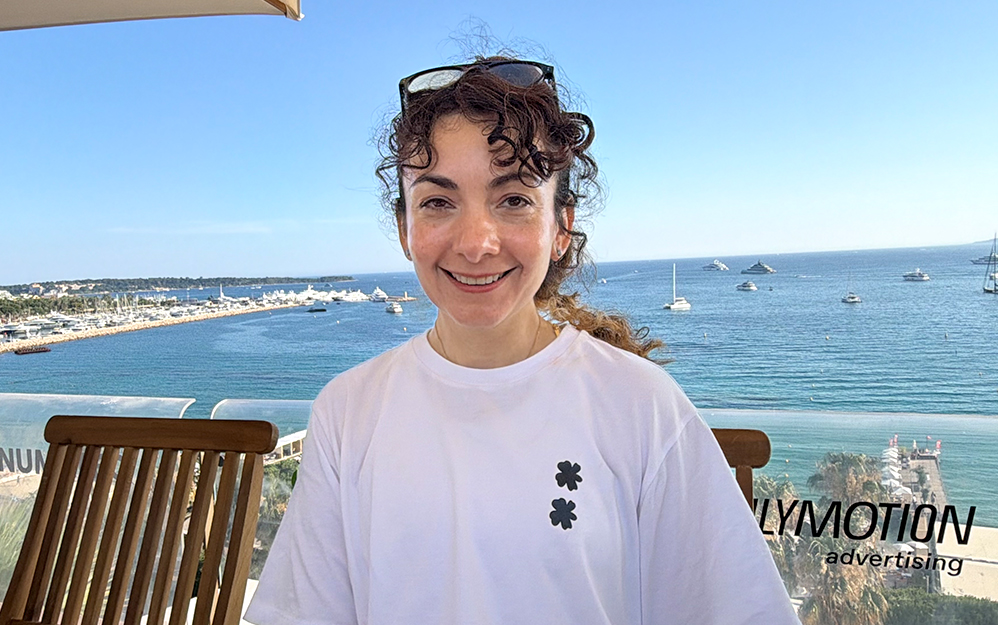
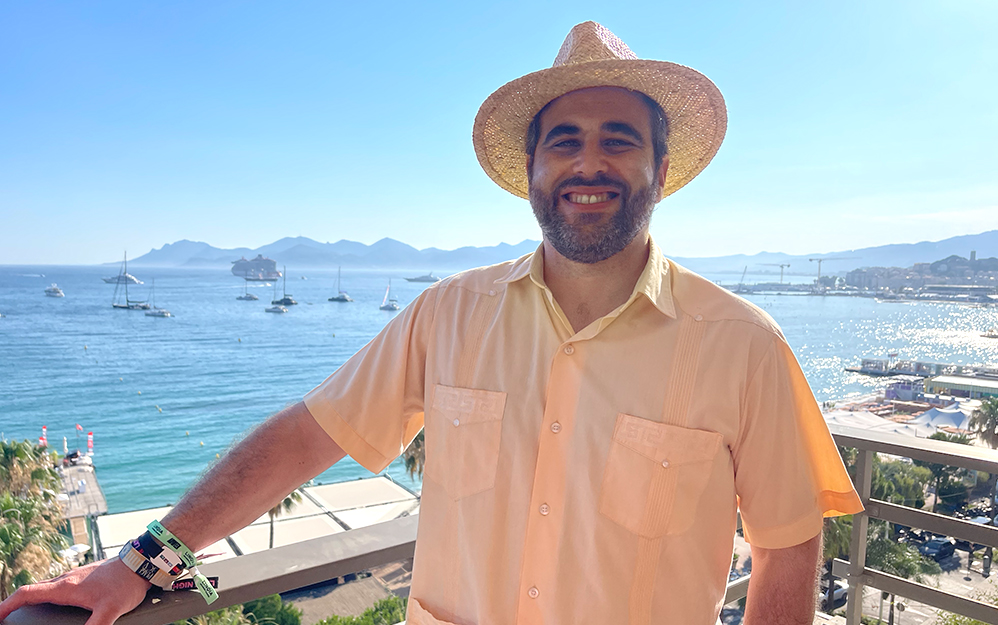
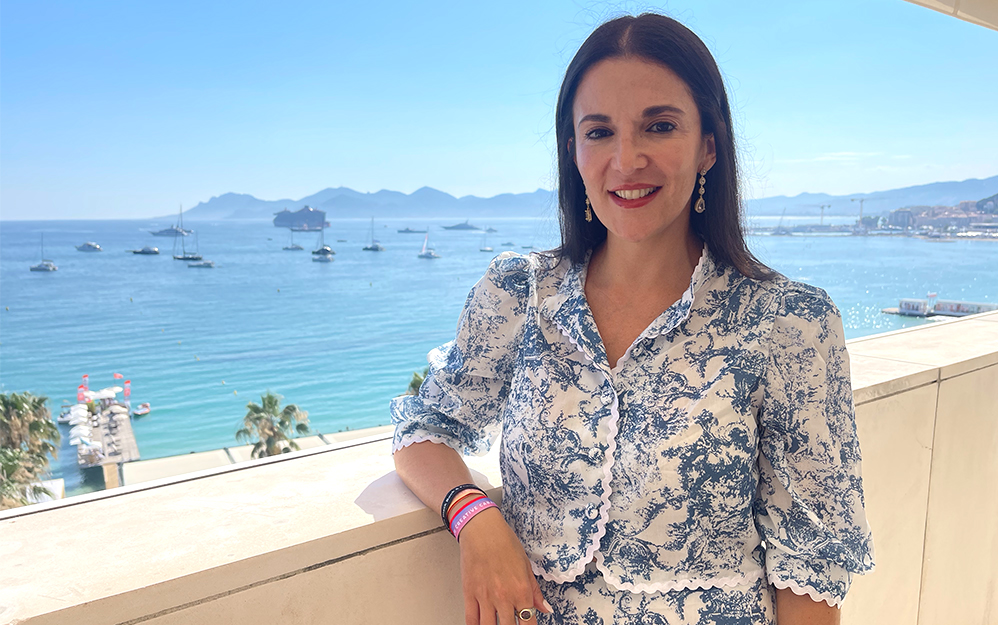
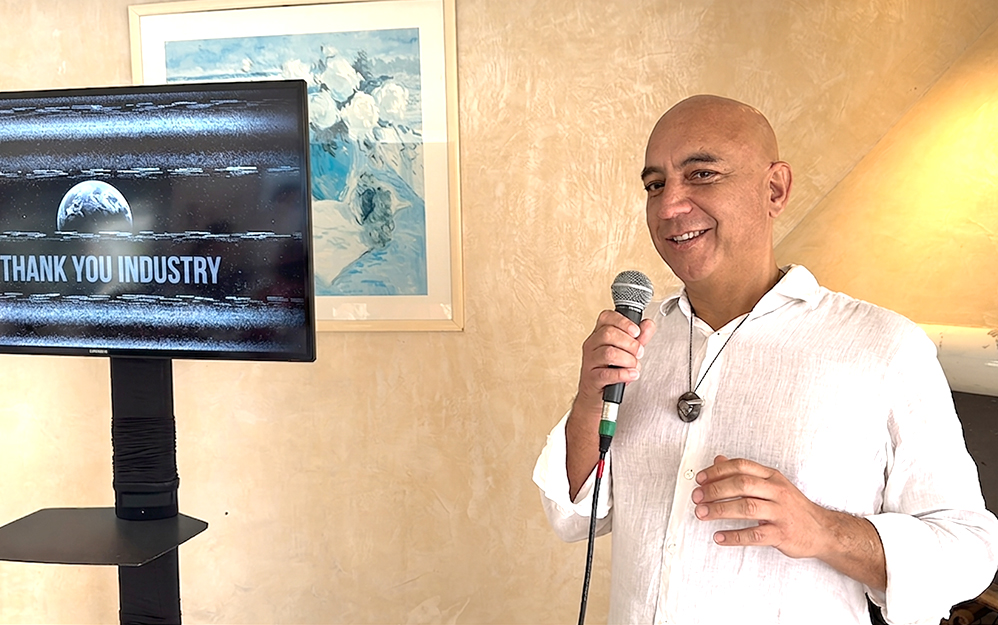
Moderated by Carlos Santiago, EVP of the Inclusive Marketing Practice at ANA, the panel featured Josh Loebner, Global Head of Inclusive Design at VML; Kelsey Newberry, VP of Brand Marketing at eos Products; Kristian May Stewart, Co-Founder and Chief Strategy Officer at Contender; and Jeannine Shao Collins, Chief Client Officer at Kargo.
Loebner argued that accessibility should extend far beyond compliance. “Accessibility isn’t just about physical disabilities,” he said. “It’s also about neuroinclusion and making sure people with disabilities are part of the creative process—not just the audience.”
He pointed to productions such as Stranger Things, whose richly written subtitles demonstrate how accessibility can enhance storytelling rather than simply satisfy technical requirements. Stewart urged brands to stop treating culture as a seasonal marketing opportunity.
“Too many brands practice cultural tourism,” she said. “Cultural proximity happens when brands earn trust by engaging with communities long before they’re ready to buy.” For Shao Collins, the growing diversity of U.S. consumers makes inclusion both a cultural and commercial imperative.
“More than 40% of the U.S. population is multicultural, and that number continues to grow,” she said. “Recognizing diversity isn’t just the right thing to do—it’s good business.”
S
he also highlighted challenges within the AdTech ecosystem, including keyword-blocking systems that unintentionally prevent campaigns from reaching multicultural and LGBTQIA+ audiences. She expressed optimism that AI and large language models will help solve many of those issues.
Newberry shared how eos has embedded inclusion into its marketing strategy since 2020.
“We’re not trying to check a box—we’re trying to build the brand,” she said. The company has established diversity requirements across talent and creator partnerships, with more than 70% of featured talent coming from diverse backgrounds.
“If you don’t have the right people in the room,” she added, “that’s when you see campaigns and wonder how they ever got approved.”
Throughout the discussion, panelists agreed that inclusion delivers results only when it is integrated across the entire organization rather than treated as a standalone initiative.
“The brands that win operationalize inclusion,” Stewart said. “They build it into everything—from the brief to the execution.”
Loebner concluded by noting that one in four people lives with a disability, representing a significant opportunity for brands willing to connect accessibility with culture and measure its business impact.
The session reinforced a common conclusion: brands that embrace inclusion as a core business strategy—not simply a communications initiative—will be better positioned to build trust, strengthen relevance, and drive long-term growth.