U.S. HISPANIC
AA/WARC Forecasts UK Ad Spend to Reach £51.3 Billion in 2026
30 de octubre de 2026

The forecast represents an upward revision of 1.8 percentage points from July, following strong second-quarter growth
UK advertising investment is expected to reach £51.3 billion in 2026, up 9.9% year-on-year, according to the latest Advertising Association/WARC Expenditure Report. The forecast represents an upward revision of 1.8 percentage points from July, following strong second-quarter growth.
The report projects fourth-quarter investment of £14 billion, an 8.2% increase over the same period in 2025. That would add £1.06 billion to advertising expenditure during the festive quarter, a critical trading period for brands and retailers.
“As we approach the festive season, UK advertising continues to demonstrate strong growth momentum, with Q4 investment forecast to rise 8.2% year-on-year to £14.0bn,” said Stephen Woodford, Chief Executive of the Advertising Association. He added that the increase highlights advertising’s role in supporting business growth across channels and media formats.
Retail Media Leads Second-Quarter Growth
Advertising investment rose 11% year-on-year to £12.3 billion in the second quarter of 2026. Retail media grew 31.2%, accounting for 8.4% of total expenditure as advertisers expanded their presence across the consumer journey.
Cinema investment increased 24.5%, supported by releases including The Devil Wears Prada 2, The Super Mario Galaxy Movie and Toy Story 5. Social media also delivered strong growth, rising 22.2%, while out-of-home advertising and addressable TV each increased 12.7%.
Other channels recorded more moderate gains, including search at 9.3%, direct mail at 4.5%, online classified at 4.4% and digital radio at 3.2%. Total TV investment rose 2.6%.
Suzy Young, Head of Media Data at WARC, said the market maintained its momentum despite geopolitical pressures and weak consumer confidence linked to the Middle East conflict. While the FIFA World Cup supported growth, she also pointed to the expanding influence of artificial intelligence.
“Growth was boosted by the FIFA World Cup, but increasingly reflects AI investment, as platforms enhance targeting while both new AI-native companies and established tech firms compete for customers,” Young said.
She noted that this combination improves advertising efficiency and generates additional demand, helping offset weaker consumer sentiment. The effect is particularly pronounced in the UK because of the maturity of its digital advertising market.
Digital Channels Drive Festive Investment
Social media is expected to lead fourth-quarter growth with an 18.5% increase, followed by retail media at 16.2% and addressable TV at 15.1%. Cinema and search are forecast to grow 8.6% and 7.8%, respectively.
Higher shopping footfall during the festive period is also expected to support out-of-home advertising, with investment projected to rise 7.5%. Digital OOH is forecast to increase 9.5%.
Further gains are anticipated for digital radio at 4.7%, direct mail at 1.8%, and total TV and online classified, both at 1.6%.
Growth Expected to Moderate in 2027
For full-year 2026, retail media is forecast to grow 23%, ahead of social media at 20.7% and addressable TV at 14.7%. Out-of-home investment is expected to rise 10.8%, while search and digital radio are each projected to grow 9.1%. Cinema, direct mail and total TV are forecast to increase 6.9%, 4.1% and 0.9%, respectively.
The report expects growth to moderate in the second half of 2026 and into 2027. Total advertising expenditure is projected to reach £54.7 billion next year, an increase of 6.5%.
Social media, retail media and addressable TV are expected to remain the main growth drivers in 2027, rising 13.3%, 13% and 10.9%, respectively. Search is forecast to increase 6.6%, alongside gains of 4.3% for digital OOH, 4.2% for digital radio and 1.7% for TV.


Diario de Hoy
|
lunes, 2 de noviembre de 2026 |
Noticias relacionadas (4)
20 de septiembre de 2026
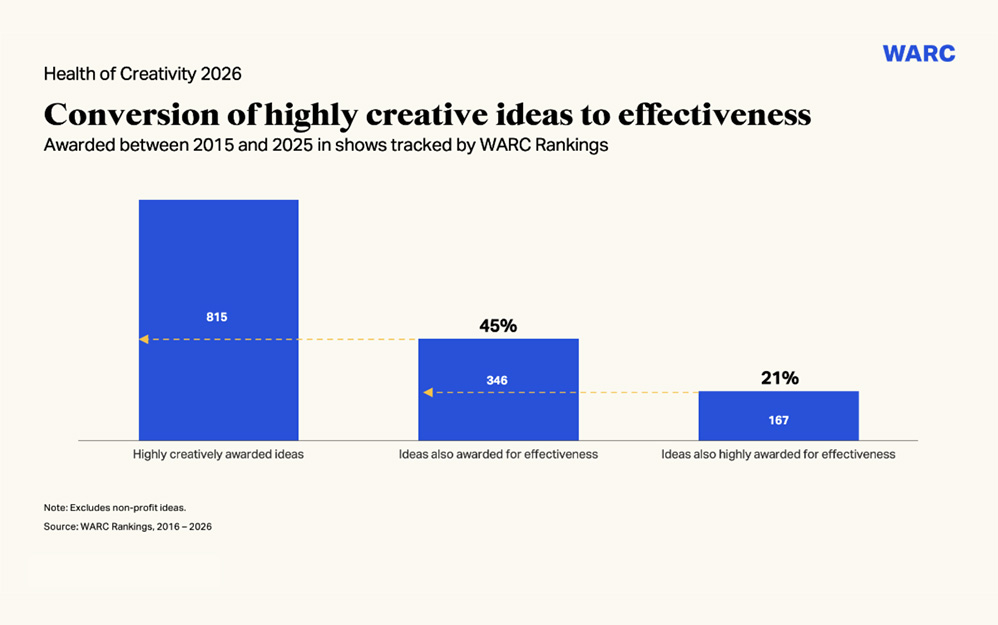
Highly award-winning creative ideas double campaign impact new WARC insights reveal
16 de agosto de 2026
WARC Identifies Three Trends Driving Creative Effectiveness in 2026
9 de agosto de 2026
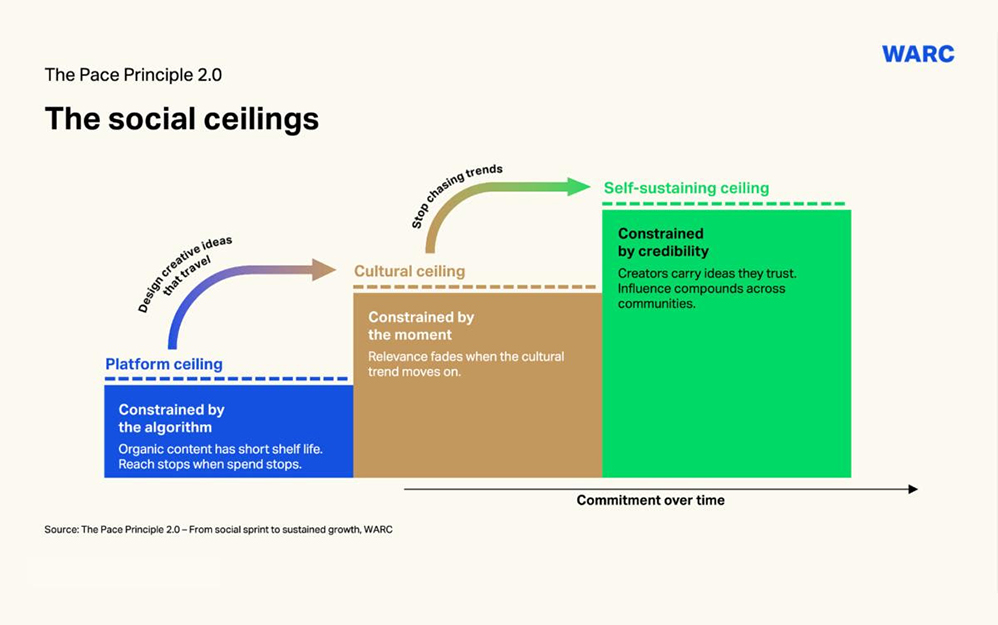
WARC: Effectiveness under threat in shift to social-first marketing