U.S. HISPANIC
Alba Castillo Bailyn of The Coca-Cola Company: “Future Careers Academy Helped Turn the FIFA World Cup Into a Career Launchpad”
31 de julio de 2026

Alba Castillo Bailyn, Vice President of Stakeholder and Social Impact Management, The Coca-Cola Company
As the FIFA World Cup 2026 concluded, one of its most enduring legacies extended far beyond the matches played on the pitch. Through its Future Careers Academy, The Coca-Cola Company transformed the world’s biggest sporting event into a platform for career exploration and workforce development, helping thousands of young people discover professional opportunities across the sports industry.
For Coca-Cola, an official FIFA World Cup partner since 1976, the tournament represented more than a global sporting event. It was an opportunity to create long-term impact in the communities that hosted the competition.
“When Coca-Cola participates in an event like the FIFA World Cup, we always think about the legacy we want to leave behind after the final whistle,” said Alba Castillo Bailyn, Vice President of Stakeholder and Social Impact Management, North America Operating Unit at The Coca-Cola Company. “We identified three major opportunities: creating jobs, supporting new businesses and inspiring the next generation.”
Those goals led Coca-Cola to develop two complementary initiatives focused on economic prosperity and youth development, with Future Careers Academy serving as the flagship platform for preparing young people to pursue careers connected to sports and entertainment.
Recognizing that today’s youth are digital-first learners, Coca-Cola built a free online learning platform that was accessible regardless of location. Developed in collaboration with nonprofit organizations including Boys & Girls Clubs of America, Girls Inc., National CARES Mentoring Movement, Special Olympics and Best Buddies, the initiative ensured that underserved communities across the United States could benefit from the opportunities created around the tournament.
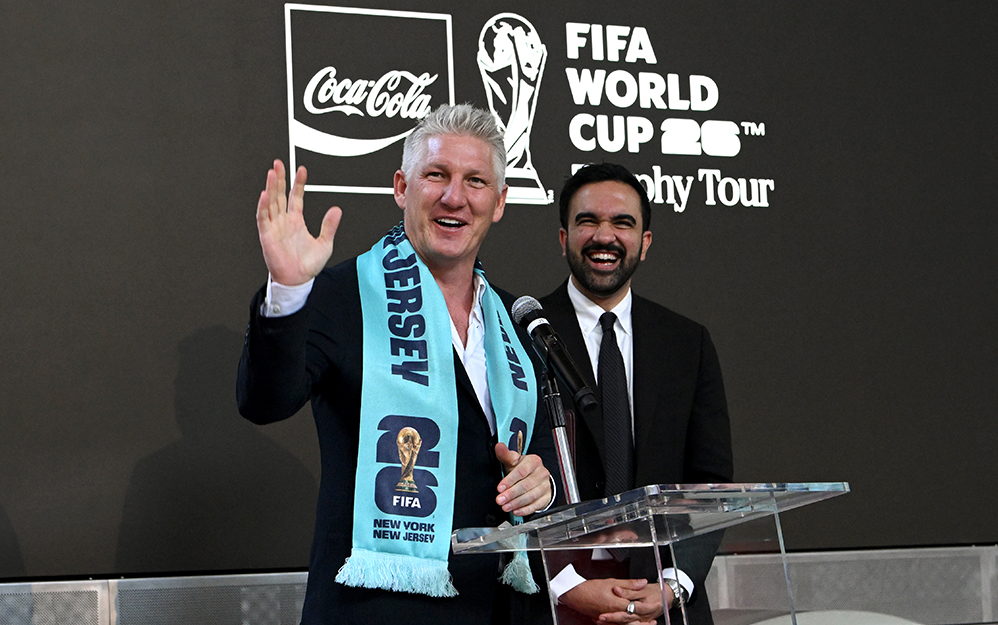
“We wanted young people to understand that the sports industry offers far more opportunities than becoming an athlete,” Castillo Bailyn said. “There are careers in marketing, communications, creative design, operations, leadership and many other fields. Our goal was to help them discover talents they may not even know they have.”
Building skills for the future
The platform featured five industry-developed learning modules covering Marketing, Communications, Creative Design, Operations and Leadership. Participants earned a digital badge after completing each module and received a professional certificate upon finishing all five courses, providing a credential they could add to their résumés.
The company also identified a shortage of certified soccer referees across the United States and funded 2,000 referee certifications for young people from underserved communities, creating a direct pathway to paid employment.
“We wanted to make sure the learning translated into real opportunities,” Castillo Bailyn explained.
To bridge education with employment, Coca-Cola partnered with TeamWork Online, a leading sports recruitment platform that connects candidates with job opportunities across professional soccer, basketball, baseball, football and other sports organizations.
Beyond the classroom
The initiative extended well beyond digital learning. Through Coca-Cola’s network of approximately 60 local bottlers across the United States, participants took part in stadium tours, television studio visits, bottling facility experiences and FIFA Trophy Tour activities, gaining behind-the-scenes access to the operations that make a global sporting event possible.
Students also explored areas such as venue operations, locker room management, branding, creative production and event logistics, helping them better understand the wide range of careers available within the sports ecosystem.
In addition, Coca-Cola reserved 15% of its on-field participation opportunities—including flag-bearing ceremonies and coin toss experiences—for young people aged 13 to 17 from underserved communities, allowing many to experience a FIFA World Cup stadium for the first time alongside a parent or guardian.
“The emotional impact on these families is extraordinary,” Castillo Bailyn said. “It creates a ripple effect that extends into entire communities.”
The initiative exceeded expectations. While the original goal was to award 7,000 certificates, the program ultimately reached more than 28,000 young people, highlighting the strong demand for career-focused education connected to the FIFA World Cup ecosystem.
A legacy beyond the tournament
Although the FIFA World Cup 2026™ has ended, Coca-Cola views Future Careers Academy as part of a broader long-term legacy strategy. The company expects the program’s impact to continue over the next decade, as today’s participants enter the workforce in industries ranging from sports management and creative production to cybersecurity and other emerging fields.
“Our hope is that ten years from now, these young people will be working in industries they may never have imagined—from sports management and creative production to cybersecurity and emerging digital careers,” Castillo Bailyn said. “If we can help change the trajectory of someone’s career, we’re also creating positive change for families and communities.”
Future Careers Academy was complemented by additional initiatives that included scholarships for technical education, digital workforce training for people with disabilities, and entrepreneurship programs providing business planning support and access to microfinance, reinforcing Coca-Cola’s broader commitment to economic opportunity.
“Our purpose is to refresh the world and make a difference,” Castillo Bailyn concluded. “The success of Coca-Cola is inseparable from the success of the communities we serve. That’s why we work alongside our bottling partners to ensure these opportunities reach the people who need them most.”

Etiquetas

Contactos

Empresas


Diario de Hoy
|
viernes, 18 de septiembre de 2026 |
Noticias relacionadas (3)
9 de enero de 2026
Coca-Cola spreads holiday joy with Caroling All the Way con Coca-Cola