
U.S. HISPANIC Versión en español
DW, LA Times Studios, And Futuro Launch Alias Cóndor, A Podcast About The Untold Stories Of Latin American Soldiers In Ukraine
Cynthia Plohn | 2 de octubre de 2026
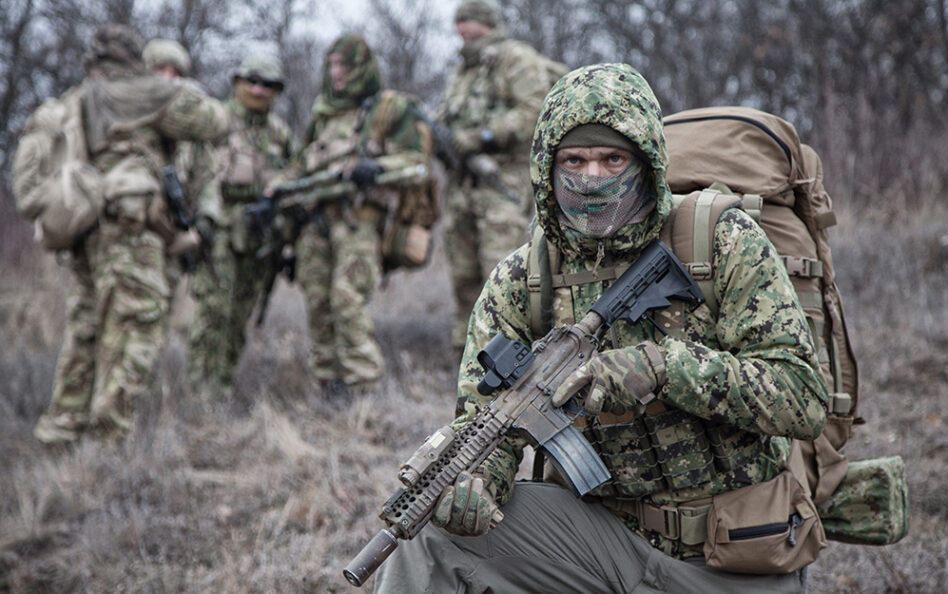
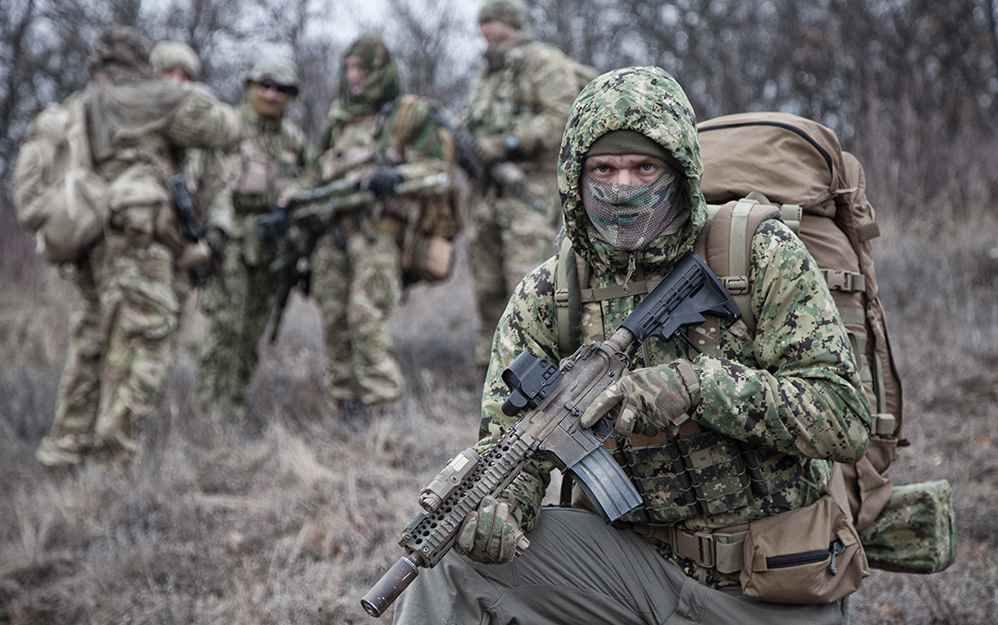
According to official Ukrainian sources, Latin Americans account for approximately 40% to 50% of the foreign fighters serving in the country
DW, LA Times Studios, and Futuro have launched Alias Cóndor (Call Sign Condor), a four-episode podcast—the first of which is available now—revealing never-before-told stories of Latin American soldiers in Ukraine. An international collaboration between DW, LA Times Studios, and Futuro Studios, the series steps into a little-known yet increasingly critical world for Ukrainian forces: that of the Latin American soldiers fighting in Ukraine. According to official Ukrainian sources, Latin Americans make up roughly 40% to 50% of the foreign fighters serving in the country.
The podcast explores what they left behind and what they found on the front lines. It tells deeply personal stories of men and women who left their families, countries, and daily lives behind to join a war thousands of miles from home.
The series is built on research by journalist and DW international correspondent Carolina Chimoy, who has spent nearly three years covering the war in Ukraine. During that time, she gathered first-hand interviews and material, offering rare access to these soldiers’ lives both on and off the battlefield.
The first episode is available now on dw.com, major podcast platforms, and the YouTube channels of DW Español and DW News. New episodes will release weekly.
“This story was Carolina’s discovery, so there was never any question about who would host it. She kept running into these Latin American soldiers in Ukraine and immediately knew there was something unique, something deeper to this story. She came to know many of them very well, and they trusted her—and only her—to tell their stories,” said Sam Baker, Audio Team Lead for Format Development at DW.
Although this marks Chimoy’s debut in narrative podcasts, her television background brought the necessary rigor to the project. “She is a very skilled storyteller; she writes incredible scripts and knows how to deliver them with tact and charisma. I couldn’t have imagined this podcast any other way,” the executive added.
Rather than artificially inflating production, the team opted for a concise four-chapter structure driven by human questions rather than military timelines.
“I am a firm believer in not adding more episodes just to fill space, but letting the story itself guide how long the episodes and the series should be,” Sam noted regarding the conceptualization process with Chimoy.
The narrative arc was built around four direct questions: Why would these men and women leave their homes? What did they find when they arrived? Why do they stay and choose to remain? And what drives someone to fight in a war in a country that isn’t their own?
“The answers were often surprising, but also deeply human and relatable. They resulted in episodes that, in many cases, weren’t about the war and its destruction, but about experiences in tough situations that show how resilient people can be and how the human condition truly connects us all,” the producer commented.
A STRATEGIC ALLIANCE FOR THE GLOBAL MARKET
For DW, this launch is part of an expansion strategy within the podcast industry in Latin America—one of the fastest-growing markets globally—building on its historical legacy in radio broadcasting.
To achieve the desired reach across both North and South America, DW sought out top-tier strategic partners.
“We knew this was a great story from the moment I heard Carolina’s pitch. However, we wanted to make sure it could reach as many listeners as possible. We reached out to LA Times Studios and Futuro Media, knowing they are leaders in creating great podcasts, and both had experience in multilingual productions,” Baker said.
TECHNICAL INNOVATION AND BILINGUAL FORMAT
One of the project’s primary challenges was adapting the original material—recorded mostly in Spanish—for the English version (Call Sign Condor). Instead of resorting to traditional voiceovers, the team took a more dynamic approach.
“We decided to follow the modern podcast trend: having Carolina act as the trusted narrative translator, rather than using traditional-style voiceovers. I think that makes the story much more enjoyable to listen to,” Baker noted.
DW has been in the podcast space for quite some time as a natural continuation and evolution of the radio programs it has broadcast for decades. Shows like Living Planet and Inside Europe are excellent examples of programs that made this transition to podcasts while continuing to serve millions of radio listeners worldwide.
They currently have several projects in development, alongside recent launches. Earlier this year, they rebranded an existing podcast feed, converting their daily news channel into Historias Para No Repetir, which provides listeners with mini-series on topics ranging from revolutions throughout history to global imperialist history.
“For daily news, listeners and viewers can still turn to Actualidad en Análisis, which is one of our best-performing shows. We also have major productions like Berlin Briefing (covering German politics for an international audience) and The Dip (offering a fresh take on top business stories). And there are many more podcasts—especially video podcasts—in the pipeline for our diverse global markets across 33 languages,” Baker concluded.

Empresas


Diario de Hoy
|
viernes, 2 de octubre de 2026 |
Noticias relacionadas (4)
19 de enero de 2026
8 de octubre de 2025
DW presentó en Jornadas su producción Fuerza latina, mujeres inspiradoras