U.S. HISPANIC
Future Today: “Curated Content For U.S. Hispanics Is A Key Piece Of The Business Going Forward”
Maribel Ramos-Weiner | 26 de noviembre de 2025
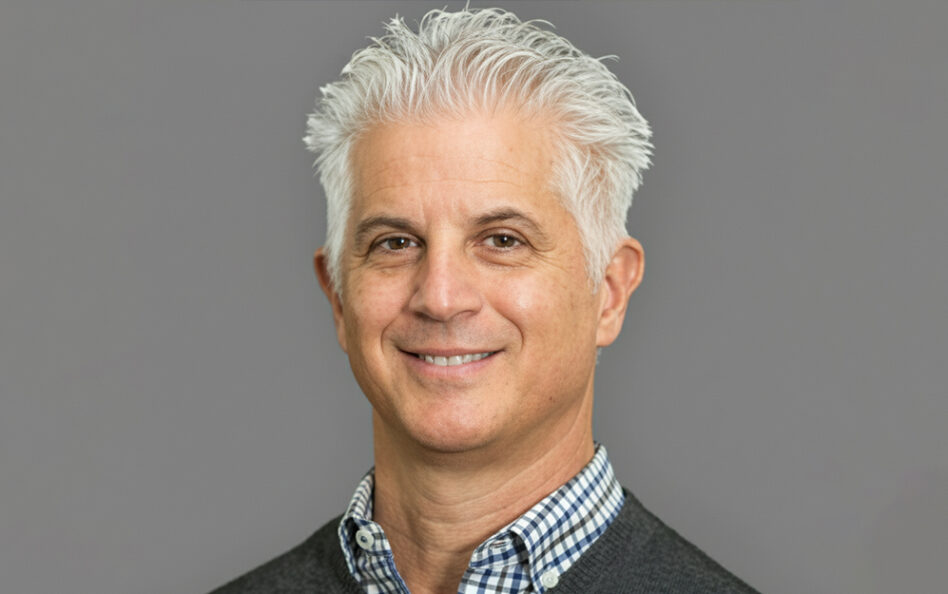
David Di Lorenzo, Senior VP of Content Acquisitions and Partnerships at Future Today
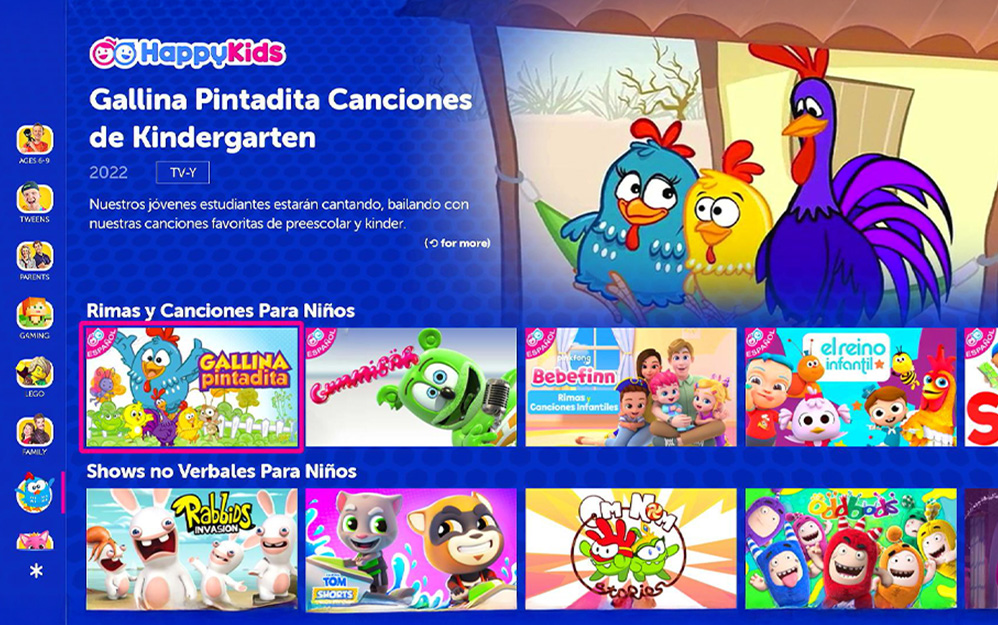
Future Today, the company behind AVOD platforms such as HappyKids and Fawesome, realized that there was not only a gap in its Spanish-language content offering for the U.S. Hispanic audience, but also an opportunity.
“We felt there was an opportunity to create a platform that served Spanish-speaking viewers. And as we looked at that opportunity, we realized we needed to find an expert in the field. Fortunately for us, Jorge Balleste was available. We’ve been working with him to bring in content. The strategy is much more focused on bringing in quality content that we know audiences are looking for, rather than simply taking everything and putting it on the air,” David Di Lorenzo, Senior VP of Content Acquisitions and Partnerships at Future Today, told PRODU.
Balleste, who was recently appointed Strategy and Acquisitions Consultant for Future Today’s U.S. Hispanic business, emphasized the importance of offering curated Spanish-language content. “It’s extremely important. Otherwise, you have users coming into the service and endlessly searching for something to watch, and that’s not the experience we want to create. We’re focused on offering a curated experience — on genres and types of content that have proven time and again to work over the years. We know what the audience wants and is looking for. And that goes beyond Latin American content. We’ve seen continued growth in Turkish series, for example, and Korean content continues to have a presence here. So we are looking for the highest-quality content in each of those areas and bringing it to this audience,” Balleste explained.
A RANGE OF GENRES
Balleste noted that they are looking for multiple content genres for this audience. “We feel that in a way, both local and international content are important to have. There’s a large variety of content available. There are original Mexican films, and even foreign films in certain genres — thrillers and action — that work very well for our audience. And then there’s the unscripted side, where you have reality shows, competition series, both originally in Spanish and Spanish-dubbed U.S. titles, that perform extremely well. So it’s about reviewing each category and each genre, and making all these different things available in one single space,” he said.
Balleste added that just because a piece of content was originally produced in Spanish doesn’t necessarily mean it connects better with the U.S. Hispanic audience. “It’s really about finding a selection that not only makes the experience comfortable, but also drives engagement. And engagement is going to drive monetization, which is also part of the equation. We want to deliver an incredible experience for our users while also taking care of our partners,” he pointed out.
A BUSINESS THAT MUST BE SERVED
Di Lorenzo explained that around 20% of their viewers are Spanish speakers. “So obviously it’s a big number. We believe it could even grow within the users we already have in Fawesome. Many are bilingual. Looking at it from a business standpoint, it’s clearly an important segment you need to serve. And then when you widen that to the competitive landscape, you see that some players are doing a good job serving the market, and others maybe not so much. So there’s another opportunity there — you see white space in this area and say: if we can build a very strong and well-organized offering, and make this part of our day-to-day business, properly serving this audience, it will be a very important part of the business looking toward 2026, 2027, and beyond,” he said.
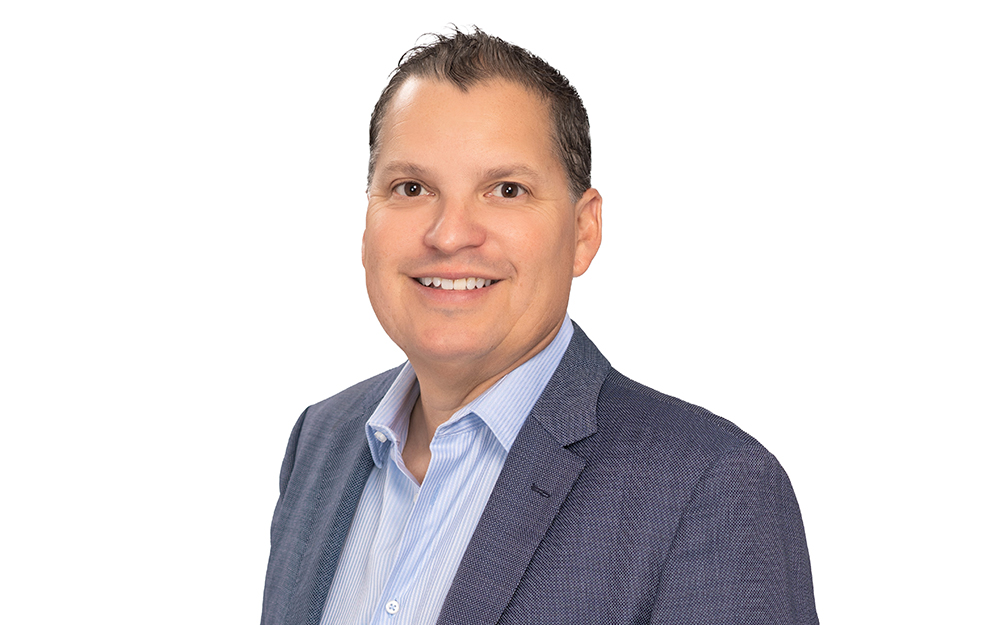
Jorge Balleste was recently appointed Strategy and Acquisitions Consultant for Future Today’s U.S. Hispanic business
Balleste stressed the importance of finding authentic content for this audience, “and not simply looking for Spanish-language content in general. We’re looking for curated content that truly connects with this audience instead of simply going out and grabbing series or content dubbed into Spanish.”
Regarding original content, they explained that as the service continues to grow, they will keep exploring new opportunities, and perhaps exclusive windows and other possibilities. “We still have a lot of work to do, but we’ve made significant progress with key partnerships over the last six months. So I think that looking toward 2026 and beyond, we might start to see some windowing and other opportunities that make sense. But we’re still in that early growth phase,” they said.
To conclude, Di Lorenzo and Balleste emphasized the opportunity to attract Hispanic audiences to the service. “There’s an opportunity to create a curated experience for them that is meaningful. Whether working with major studios — Lionsgate, MGM, FOX — to bring solid content, or also going deeper into genre-specific content: telenovelas, some classic films, and things we know this audience looks for. For us, it’s an opportunity to expand our audience and truly serve an important audience in the U.S. It’s a very large and, in some ways, underserved audience in the streaming world. That is our focus.”


Diario de Hoy
|
viernes, 25 de septiembre de 2026 |
Noticias relacionadas (3)
17 de octubre de 2025