U.S. HISPANIC Versión en español
Horowitz Research: Polyculture is the true mainstream
Maribel Ramos-Weiner| 22 de noviembre de 2024

Adriana Waterston presented the R/Evolution study: “The content, technologies, and audiences that will drive your business in 2025”
When Horowitz Research launched its Cultural Insights Forum in 2000, its goal was to champion multicultural audiences, raise awareness of this growing segment, and advocate for the creation of content tailored to their needs and preferences.
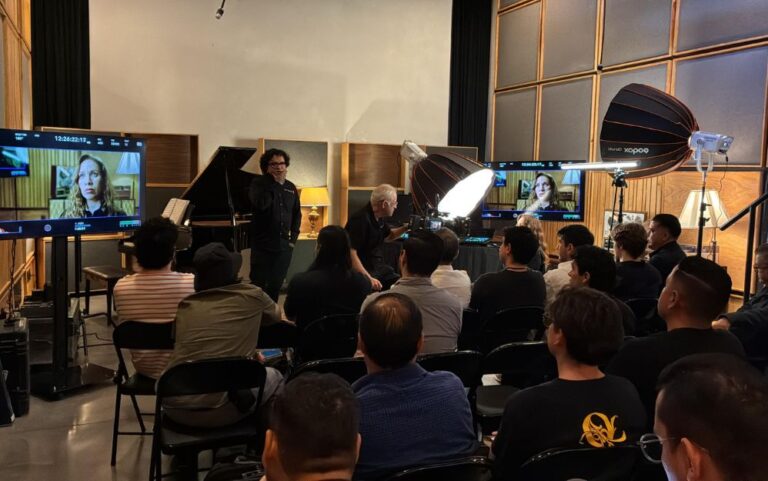
“We’ve come a long way since 2000. The population, culture, media industry, technology, and political landscape have all undergone significant transformations. I’m incredibly optimistic about our current position and the future trajectory of our industry,” said Adriana Waterston, Executive VP of Insights & Strategy at Horowitz Research, at the opening of the Cultural Insights Forum: Polyculture Revolution/Evolution: Content, Creativity, and Connections in a Diverse America, held at Telemundo Center in Doral, Miami.
In the presentation of Horowitz Research, “R/Evolution: The Content, Technologies, and Audiences That Will Drive Your Business in 2025,” Waterston emphasized that polyculture is now the true mainstream or general market. She pointed out that previously, audiences outside the traditional general market were often labeled as multicultural, but were also viewed as monolithic groups with shared behaviors and attitudes. Horowitz’s research challenges this notion, presenting a more nuanced understanding of polyculturalism: “Cultures are constantly evolving through the interplay and influence of other groups, and there is no longer a singular general market.”

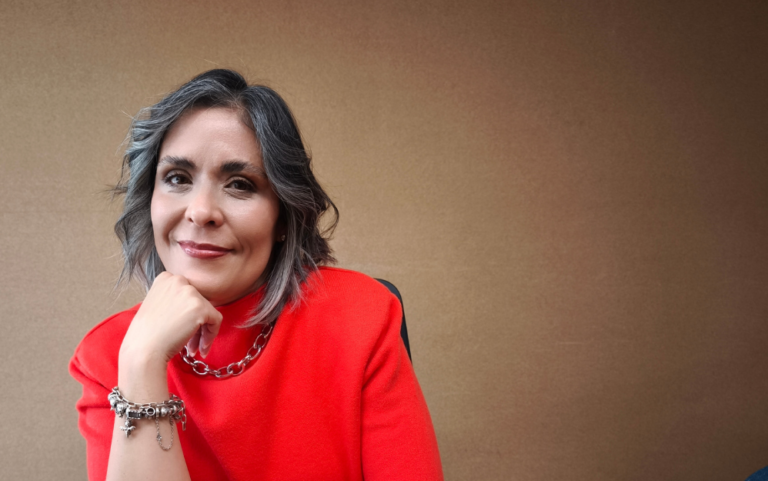
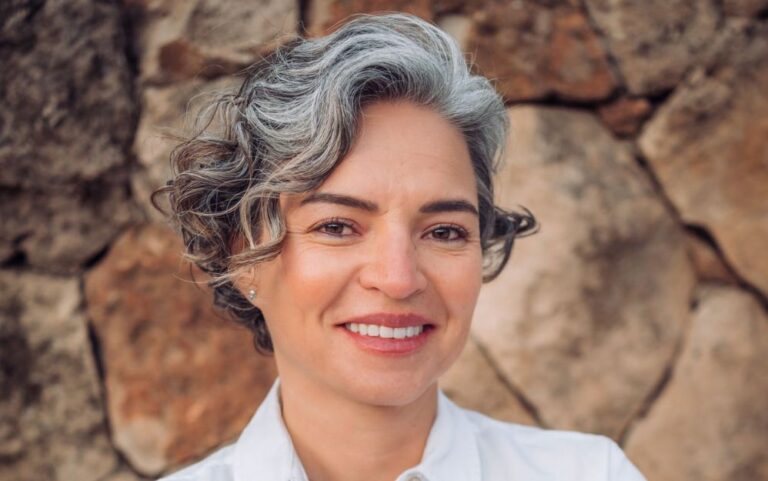
Adriana Waterston, Executive VP of Insights & Strategy at Horowitz Research
Waterston discussed several key aspects of polyculture, including shared immigrant experiences, cultural heritage reclamation, community-building through shared stories, cultural curiosity, and globalism. Other notable trends she highlighted are the blending of religious beliefs and spiritual practices, growing LGBTQIA+ allyship, evolving gender identities and expressions, and redefining traditional notions of beauty and gender roles. Additionally, she addressed emerging trends such as new entrepreneurial and wealth-building opportunities, the evolving American suburb, and shifting perceptions of whiteness. Given the increasing polarization on social media, Waterston noted a rise in individualism, personalization, self-expression, and divergent thought and belief systems, which she attributed to broader cultural shifts.
She emphasized that, in today’s media landscape, “leveraging the polycultural connections between audience segments will be essential for growth.”
STREAMING MORE UBIQUITOUS THAN EVER
Waterston discussed the widespread adoption of streaming services (SVOD, MVPD, FAST) among diverse audiences, as highlighted by the study: FAST (75%), SVOD (68%), MVPD (40%), VMVPD (31%), and antenna (16%).
Waterston noted that the fragmentation of the streaming industry remains a significant challenge, especially among diverse audiences. Netflix continues to lead with a 19% market share, followed by Amazon at 9% and Hulu at 8%. YouTube, Disney+, Peacock, Tubi, and Paramount each hold a 5% share, while Max and vMVPDs have 4% each. TV Everywhere services and platforms like Pluto, Freevee, and The Roku Channel each account for 3%. Apple TV+ and Discovery+ have 2% each, and the remaining 15% is attributed to a variety of other services.
She highlighted the significant role of social media in show discovery and viewership, with 57% of respondents attributing their initial interest in a show to social media video clips. This trend is particularly strong among 18-34-year-olds, with 77% reporting this behavior. Additionally, 43% of respondents indicated that they watch recaps or highlights on social media or YouTube when they miss an episode.
DIVERSE MEDIA IS CRUCIAL IN A POLYCULTURE WORLD
Waterston emphasized that in our increasingly diverse media landscape of polycultural, “diverse media plays a crucial role.” She credited Horowitz’s earlier work with Telemundo and Comcast, a decade ago, for introducing the concept of ‘200%ers, “a term now widely used in the industry.”
She explained, “This idea that we can maintain our bicultural identity, continue speaking Spanish, and yet fully embrace our American identity.”
The study revealed that Latinx culture and the Spanish language continue to hold significant importance for Latinx consumers, even as identities evolve. A substantial 75% of respondents emphasized the importance of preserving Spanish in their homes to maintain their Hispanic heritage, while 54% reported speaking Spanish daily.
Similarly, six out of ten African American viewers watch content specifically targeted to their audience at least once a week.
Another interesting finding from the study is the increasing trend of viewers watching content in languages they don’t understand. Nineteen percent of respondents reported doing this weekly. Waterston highlighted the example of platforms that curate content for specific demographics, such as Asian viewers. These curated hubs are attracting not only the target audience but also viewers from other cultural backgrounds. ‘When we make cultural content accessible,” she explained, “it’s often consumed by multiple cultures, as evidenced by the popularity of Latinx, Black, and Asian collections.”
Another key finding from the report was that multicultural content plays a vital role in shaping narratives, fostering understanding, and resonating with diverse audiences.
The study also revealed that younger and more diverse audiences are more receptive to social and interactive promotions and commerce, including augmented reality, QR codes, Facebook Marketplace, interactive posters, influencer marketing, TikTok shopping, social media purchasing, and direct YouTube purchases.
The report also found that younger and more diverse audiences prefer connecting with brands through influencers. While race, ethnicity, and sexual identity often play a role in these connections, they are not the sole factors influencing these relationships.
IT’S TIME TO RETHINK TARGET AUDIENCES
Waterston urged the audience to rethink their target audiences in this polycultural world. “Growth opportunities lie in the spaces between traditional demographic silos, and this should be a strategic imperative for media companies and agencies.”
Waterston emphasized the need to expand storytelling, “relying on universal and compelling narratives that resonate with diverse audiences.”
“We’re clinging to a business model that’s no longer sustainable. We need to be proactive and adapt to this new landscape, meeting consumers where they are, especially younger audiences. This will require a top-down rethinking of our business model,” she added.
She emphasized that the traditional barriers between advertising and commerce have eroded. “This presents opportunities for innovative revenue streams and audience engagement. I urge you to share these findings with your CMOs and CEOs, discussing their implications for our industry and how we can effectively implement them,” she concluded.

Etiquetas

Contactos