U.S. HISPANIC Versión en español
Filmmaker David Barba Premieres Bilingual Documentary Regreso/Return At Docsmx After Three Years Of Filming, Seeks Streaming Distribution
Vanessa Maldonado | 16 de octubre de 2026
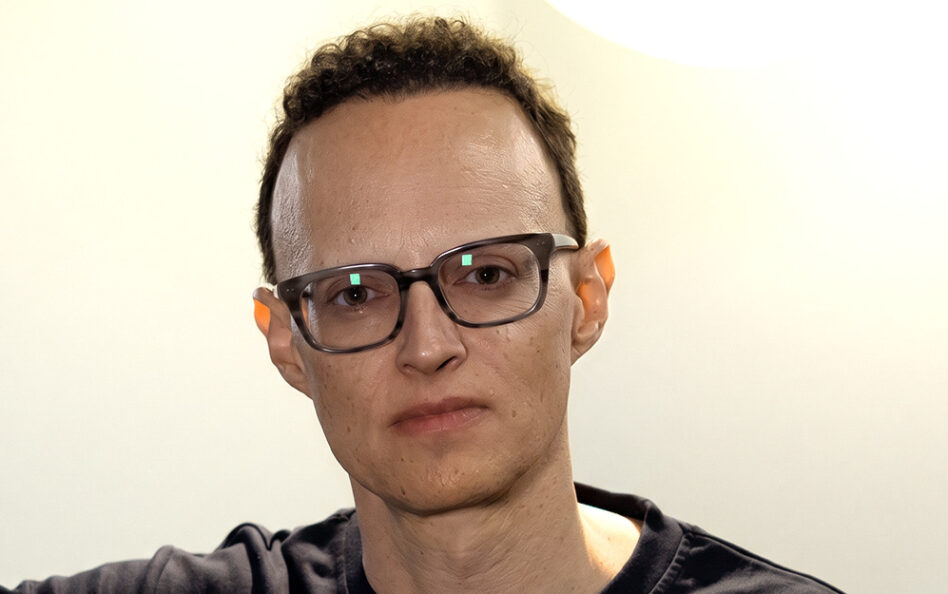
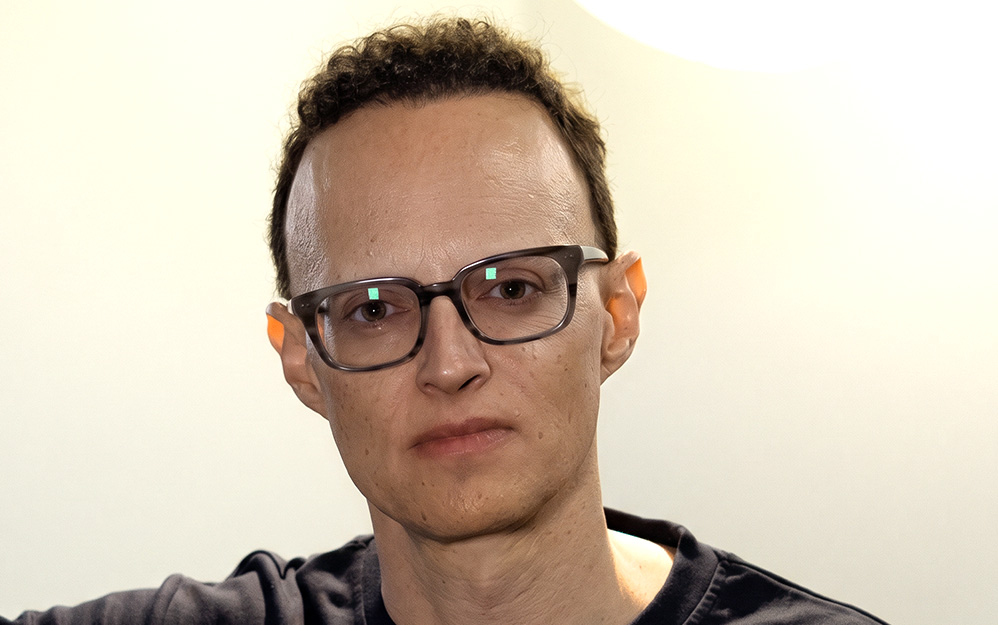
The filmaker David Barba highlighted the emotional impact suffered by families separated by immigration laws
Mexican filmmaker David Barba is premiering the documentary Regreso/Return at DocsMX, the festival running October 22-31. The 89-minute film explores the life-rebuilding process of three Mexican women deported from the U.S. The production is co-presented by the Migration Affairs Program of Universidad Iberoamericana Ciudad de México (PRAMI).
The project required three years of fieldwork across urban, rural and coastal settings in Mexico. The technical team maintained a small crew with the director, a cinematographer and a sound engineer to preserve intimacy.
CREATIVE PROCESS AND FOCUS ON RETURN
The feature centers its narrative on the social, family and economic consequences following deportation. Barba developed the research after conducting initial interviews with 30 migrants.
Barba explained the origin of the project to PRODU: “It’s a film that asks: what happens after deportation? Not just how a person returns to Mexico, but how they rebuild a life, a family and an idea of home when the border remains present even after having crossed it. All of this started because right now I’m living in the United States, and I’m seeing raids everywhere. I asked myself: these people are being sent to countries they may not know. What happens after they arrive? I hadn’t really seen that in much media coverage.”
He highlighted the emotional impact suffered by families separated by immigration laws: “Deporting someone doesn’t close a story. Many people who are expelled from a place where they grew up, where they built their lives and their family, return to Mexico and don’t know it. They don’t have their loved ones physically around them. Viridiana hasn’t hugged her mother in more than 16 years. It’s a very deep pain. But what also stays with me is the resilience of these three women, because starting from zero isn’t easy.”
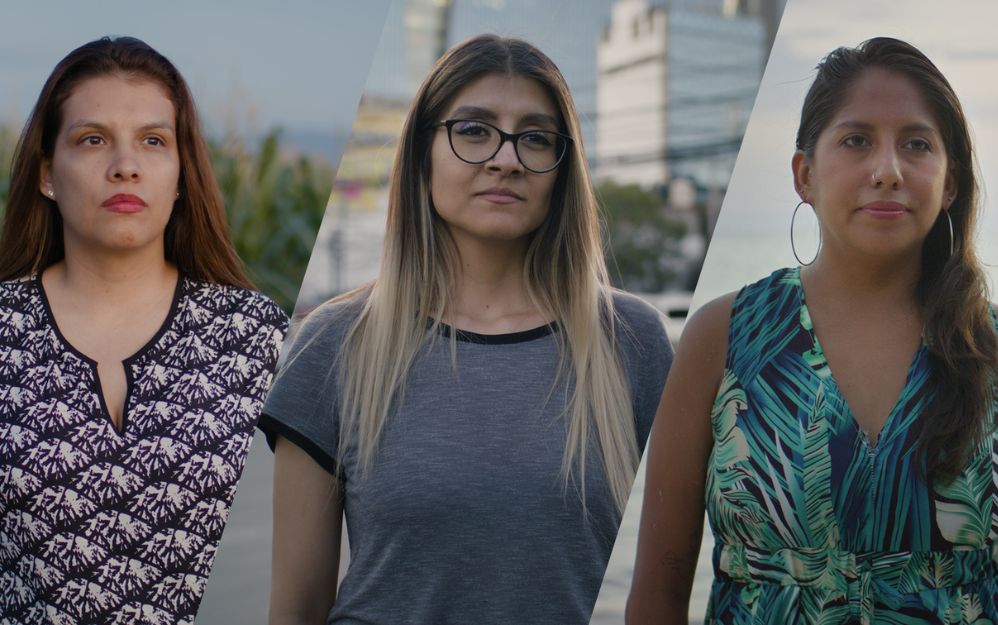
Viridiana, María Teresa y Valentina son las protagonistas del documental Regreso/Return
FILMING METHODOLOGY AND INTIMATE BOND
The technical team used a small crew made up of the director, a cinematographer and a sound engineer to approach the filming. The production first conducted two-day visits with each of the protagonists to assess the project and allow them to decide on their participation. Over more than three years of filming, the camera captured the personal evolution of the families and the physical growth of Viridiana’s and Valentina’s children.
Barba details the process of building trust in front of the camera and the bond with the protagonists: “It was very important that they decide whether they wanted to be part of this project and how they felt having a camera around them and their children. It involved building those bonds, staying in touch through video calls, WhatsApp messages and returning to film every so often. They are willing to share their stories because they feel they can help other people, especially women who return to Mexico, to see that there is indeed a path forward for them.”
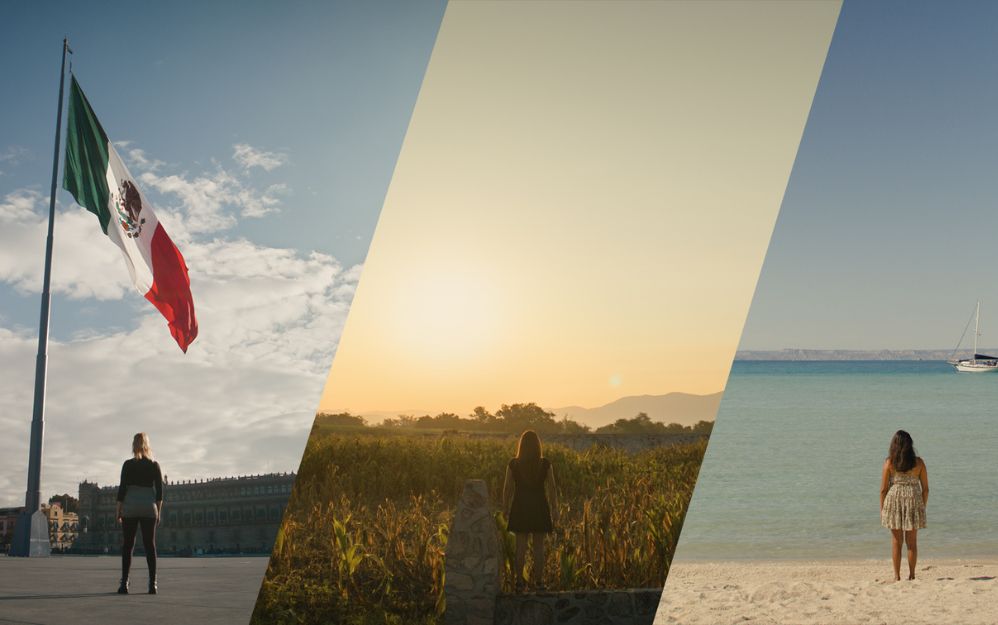
BILINGUAL STRATEGY AND DISTRIBUTION ACROSS FESTIVALS AND STREAMING
The three protagonists recorded their voiceovers in English to create a fully bilingual version. This technical feature facilitates the film’s circulation in international markets.
The producer detailed the distribution plan following the initial theatrical run: “What’s next is to pursue multiple festivals in the United States to really open the eyes of audiences on this side of the border so they understand what happens after the news report. What does that person experience years later when they return to their country?” he added.
Regarding taking this message and production beyond the big screen and seeking space on other platforms, he said: “We know that going to festivals gives us visibility with about 300 or 500 people, but on a streaming platform we can reach millions of households. Ideally, after a festival run, the goal would be to land on a platform so more people can watch it.”
Finally, the filmmaker calls on the audiovisual industry to support projects about migration: “All around us there are people in vulnerable situations who have returned from other countries. We need to support more stories of this kind so that more stories can be told. Not just documentaries, I imagine there are very interesting series or films that could be made about this migration issue.”


Diario de Hoy
|
viernes, 16 de octubre de 2026 |