U.S. HISPANIC Versión en español
Carolina Chimoy: “Bringing Alias Cóndor To The Podcast Format Was Due To The Involved Parties’ Reluctance To Expose Themselves Publicly”
Cynthia Plohn | 2 de octubre de 2026
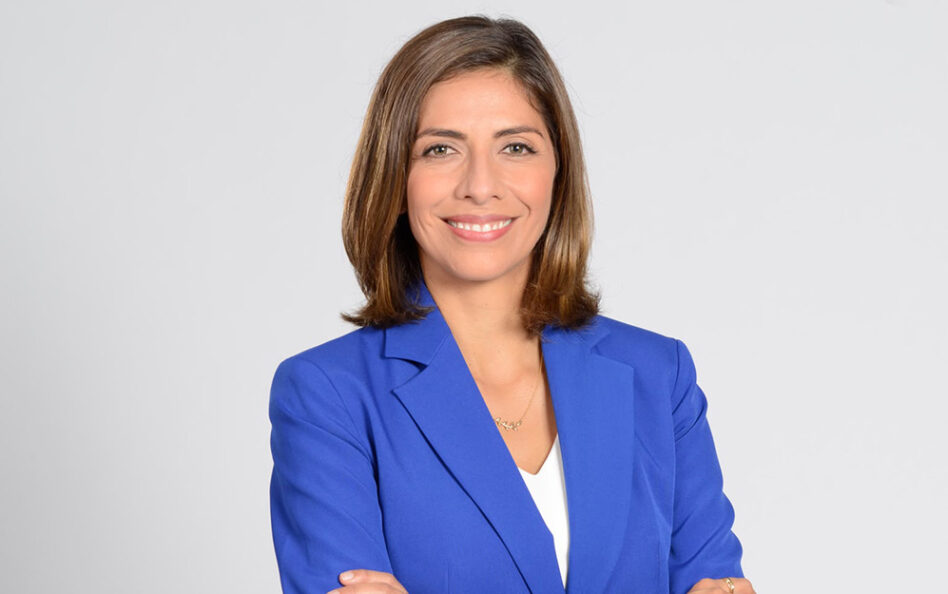
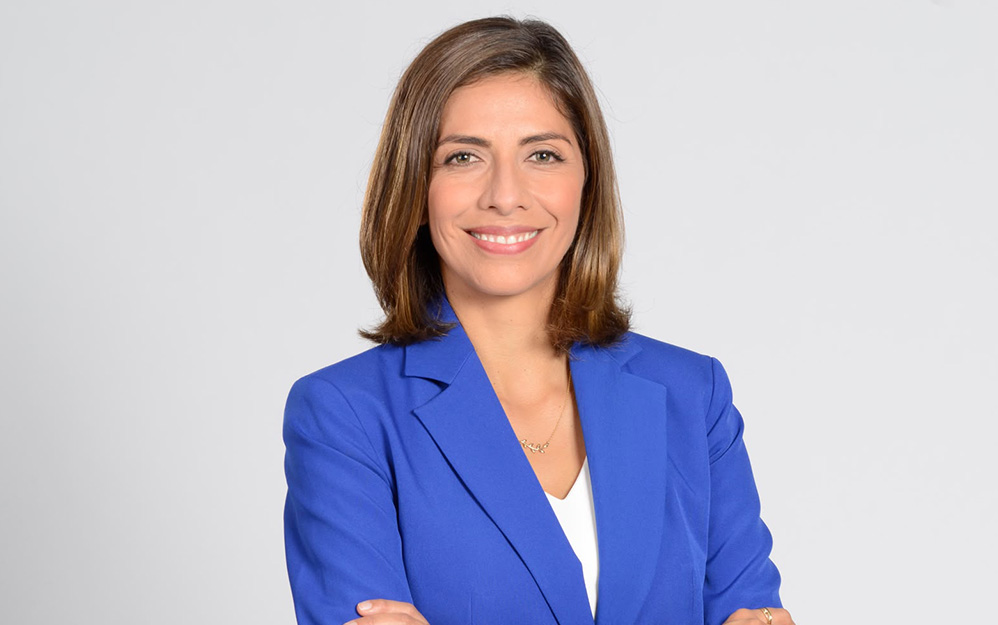
Carolina Chimoy is a television journalist and international correspondent for DW
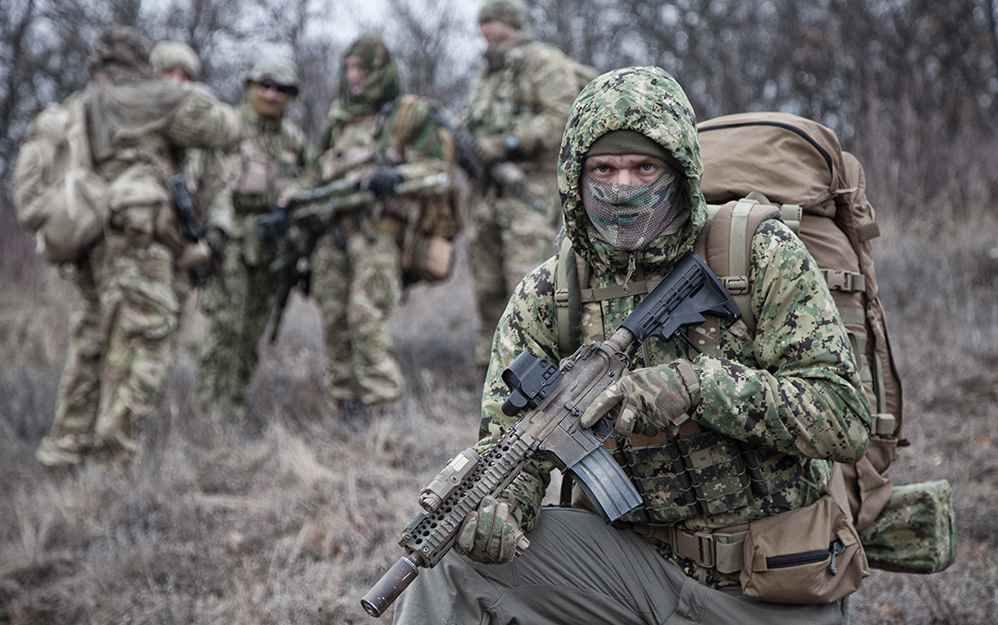
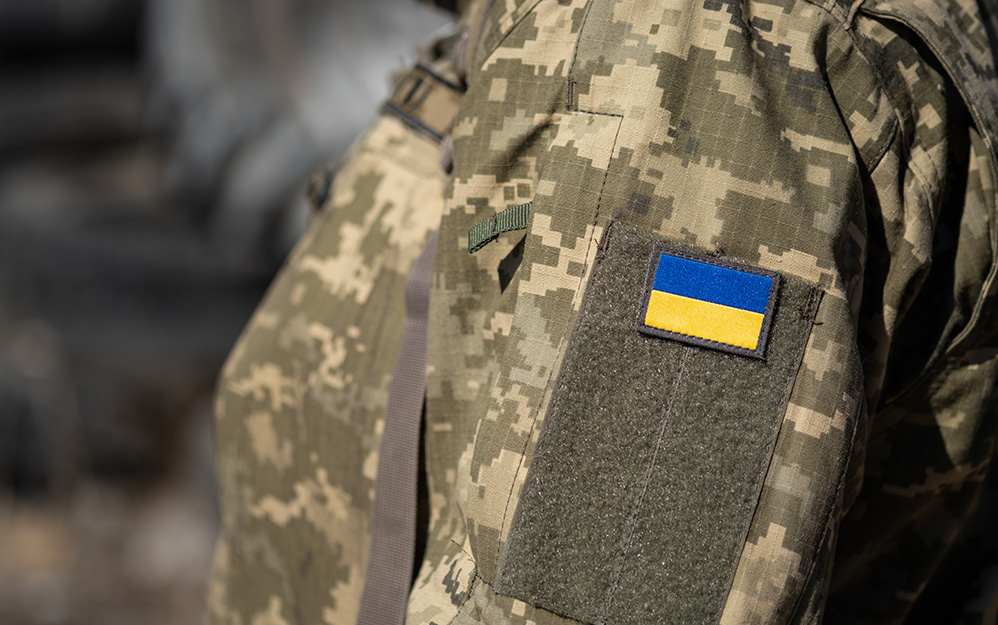
A massive and unprecedented phenomenon quietly began brewing in the trenches of Eastern Europe: Latin American men and women traveled thousands of kilometers to wear the Ukrainian military uniform and fight against Russian forces.
To understand what lies behind this decision, TV journalist and international correspondent Carolina Chimoy conceived Alias Cóndor, a narrative podcast investigation across four episodes that seeks to unravel the human dimension of a conflict observed through the eyes of its own protagonists. It is a co-production by Deutsche Welle (DW), LA Times Studios, and Futuro Media, with the first episode already available since September 23.
Chimoy, who has covered the war in Ukraine for years as part of Deutsche Welle’s (DW) correspondent team, recalls the exact moment she noticed the rapid growth of this phenomenon. “When I met the first Latino soldiers in Ukraine, it was an isolated and little-known phenomenon. I remember we had to look around quite a bit to find the first Latinos in a brigade and interview them. But the group grew rapidly. Other soldiers kept telling me there were more and more Latinos, and my DW colleagues in Kyiv were telling me the same—they were hearing more and more Spanish in administrative offices and in areas closer to the front lines in eastern Ukraine,” she shared.
She added that every time she went to Ukraine as an international correspondent, she would contact Latino soldiers or even hear Spanish spoken on the streets of Kyiv and approach them to talk. What started with barely a dozen Latinos quickly expanded. Now, at least half of all foreign soldiers in Ukraine come from Latin America.
“When I met the first Latino soldiers, I was working on a report about the International Legion. It was a very short interview, and there were many things they couldn’t tell me. They were Colombia and Kike. Sadly, Kike passed away. I never heard from Colombia again. Later, I met Cóndor, Fercho, Flaco, and others. But at that time, it wasn’t clear that the phenomenon of Latino soldiers would grow so much or become so crucial to the Ukrainian military. Just a few days ago, the Ukrainian military established a recruitment center for foreigners. Foreign soldiers are now officially a priority for the Ukrainian army,” she reported.
She stayed in touch with Cóndor and the other Latino soldiers out of personal interest and curiosity—wanting to know what conditions were like at their bases, on the front lines, and how they were adapting to life in Ukraine. To her, it seemed wild that someone would travel all the way from Latin America to Ukraine to put on a Ukrainian military uniform and risk their life in the trenches.
WHY THE PODCAST FORMAT?
Bringing these stories to a podcast format was no random decision, but a response to the subjects’ initial reluctance to put themselves in the public eye.
“Many didn’t want to appear on television for fear of being recognized by the Russians; they weren’t interested in putting themselves out there, and the camera intimidated them. One soldier once told me he’d rather face a machine gun than a camera. I’m originally a TV journalist working in broadcast media, but I’m also addicted to narrative, news, and analysis podcasts. So, when I noticed that many of the soldiers I interviewed felt intimidated by the camera, I realized that telling their stories purely through audio might be the best medium. And indeed, the interviews were much more natural and spontaneous than they would have been in front of a camera. The power of audio—voices, ambient sounds, music—is so potent that it can build a clearer mental picture than visual media can. As a journalist, it’s essential to recognize which medium suits which story,” she explained.
One of the core conceptual themes of Alias Cóndor is dismantling the simplistic views often used to categorize these combatants, who are frequently labeled generically as mercenaries.
On a legal level, Chimoy clarifies the distinction: “The term has a very precise definition in international humanitarian law (the 1977 Additional Protocol to the Geneva Conventions). It establishes six cumulative criteria, including not being a member of the armed forces in conflict and receiving compensation substantially higher than that paid to local soldiers. However, foreign soldiers in Ukraine sign contracts with the Ukrainian Armed Forces and are integrated into their military structures. Ukrainian commanders consider them soldiers of their units.”
The podcast delves into the complex socioeconomic and personal dynamics that trigger the decision to travel to a warzone. “Knowing the reality of Latin America and listening to their stories, I realized that many felt they had very few options in their home countries,” the journalist reflected.
That social vulnerability comes through clearly in the testimonies Chimoy collected throughout her reporting. “One soldier told me that in Ukraine he received recognition he had never experienced in his home country. Another told me that back home, if he was lucky, he ate twice a day, whereas in Ukraine he received three meals a day as a soldier. And another confessed that in his neighborhood in Latin America, there is so much violence that people are killed every week, whereas in Ukraine, ironically, he had found ‘peace.'”
For the journalist, Alias Cóndor has been a deeply meaningful experience. It was a story she had wanted to tell for a long time: “Having worked on this story for so long, without even knowing if or how I would be able to tell it—because for years the main subject told me he would never speak on the record—has been truly exceptional.”

Empresas


Diario de Hoy
|
viernes, 2 de octubre de 2026 |
Noticias relacionadas (7)
28 de septiembre de 2026
Alias Cóndor muestra el lado humano de los latinoamericanos que luchan en Ucrania