U.S. HISPANIC Versión en español
Pitaya Entertainment Celebrates Five Years: “Our Early Bet on Video Continues to Give Us a Significant Advantage”
Maribel Ramos-Weiner | 19 de mayo de 2026
Since its beginnings, Pitaya Entertainment, one of the leading podcast networks for Latinos worldwide, has stood out for working with premium content and many of the most recognized personalities in the Spanish-speaking world. The company, founded in 2021, started with five shows and today has nearly 50 series premiering new episodes every week.
Jordi Oliveres, co-founder and general manager of Pitaya, said the variety of talent and the range of audiences they reach has evolved.
“Our roster covers every demographic segment within the Latino community: different generations, nationalities, interests and tastes. Many of our hosts — such as Yordi Rosado, Martha Higareda, Adela Micha, Javier Ceriani and Karla Díaz of Pinky Promise — were already public figures before podcasting and have made the format a central part of their identity and reach. Our roster also includes deeply trusted and inspiring voices in the U.S. Hispanic market, such as Rodner Figueroa and Adriana Gallardo, whose connection with their audiences reflects exactly the kind of cultural authenticity that defines Pitaya,” Oliveres commented.
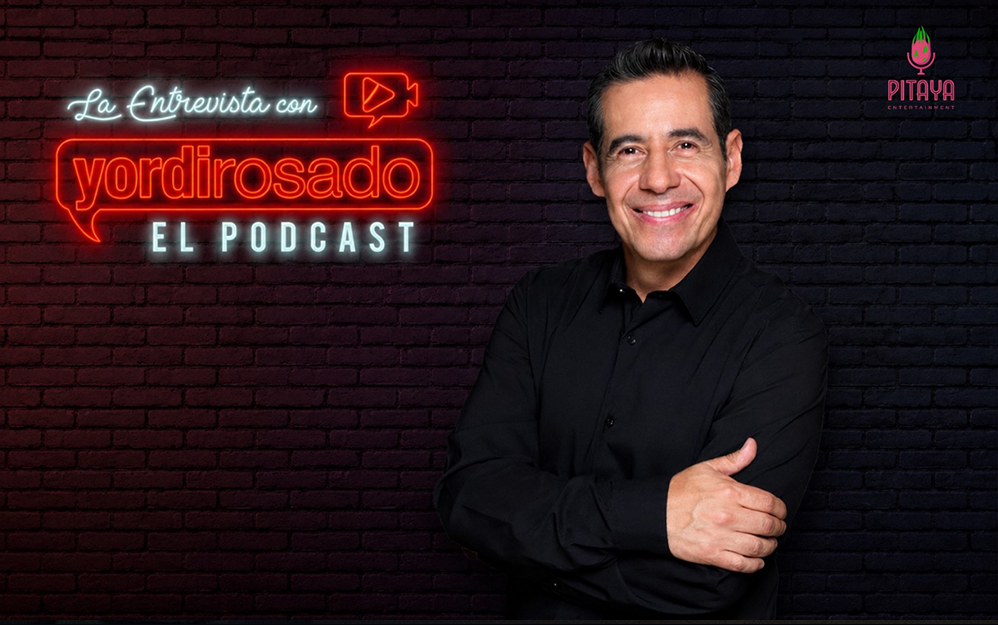
La Entrevista con Jordi Rosado
Pitaya currently averages around 100 million monthly streams.
He indicated that Pitaya’s approach is simple: to be where culture is truly happening, which means going beyond traditional podcasting toward a multiplatform ecosystem — “one where content doesn’t just exist, but travels, amplifies and connects in real time.”
AUDIENCE GROWS 25% ANNUALLY
Oliveres mentioned that Pitaya currently averages around 100 million monthly streams across YouTube and podcast streaming apps — and that figure does not include the reach of the shows on social media, where hosts collectively have more than 150 million followers and generate hundreds of millions of additional views through clips and short-form content.
“Year after year, our audience has grown by around 25%. For us, growth is not just about streams — it’s about building a multiplatform network where audio, video and social media work together to drive scale, relevance and cultural impact,” he noted.
DIVERSITY
Oliveres says Pitaya is one of the most important Spanish-language podcast networks in the world. “Since all of our shows are in Spanish, our audience is overwhelmingly Latino — but what defines us beyond that is that we understand the diversity within that community. Our roster spans a wide range of genres — news, entertainment, finance, sports, self-improvement, comedy and more — and our hosts come from many different backgrounds: Mexican, Argentine, Guatemalan, Colombian and Spanish. The result is a network that reaches Latino audiences of different ages, nationalities and interests, all united by language and identity,” he expressed.
YOUTUBE HAS BEEN KEY TO PITAYA’S STRATEGY
Asked about the most notable milestones in Pitaya’s first five years, Oliveres explained that when they started they realized Latino audiences consumed podcasts very differently from the non-Hispanic market. “Five years ago, the dominant platforms for podcast consumption in the U.S. were Spotify and Apple Podcasts — but Latinos overwhelmingly preferred YouTube. This created a real challenge: the podcast advertising business had been built around dynamic ad insertion in RSS audio feeds, and most advertisers were not open to running podcast campaigns on YouTube,” he said.
Despite this, Pitaya decided to place audiovisual versions of virtually all its programs on YouTube to respond to the audience’s preference for the platform. “We made an early bet on the video format on YouTube, prioritizing talent and shows with a strong YouTube presence and building our network around video from the start. That made us leaders in Spanish-language video podcasting,” Oliveres said.

Pinky Promise
That foresight became even more important in recent years as YouTube emerged as the most popular platform for all podcast consumption, not only for Latinos but also for the general market. “According to MIDiA Research, 62% of active monthly podcast consumers worldwide use YouTube, compared with 47% who use Spotify and around 25% who use Apple Podcasts. As advertisers have redefined podcasting to include video, we have been in a privileged position to benefit from that shift, given the popularity of our shows in this format,” he said.
He added that “the results have been striking: our advertising revenue grew 85% from 2024 to 2025 — and 2026 is on track to far surpass that record.”
EARLY BET ON VIDEO IN AN INDUSTRY STILL FOCUSED ON AUDIO
He emphasizes that YouTube has been central to Pitaya’s strategy from day one — not as a complement, but as the core.
“We made an early bet on video while the industry was still focused on audio, and that decision has only accelerated our growth. What makes YouTube transformative is not just the scale — it’s the impact. In a traditional audio podcast, the audience hears a host recommend a product. On YouTube, they see it — the host’s face, reaction and genuine enthusiasm. That visual dimension opens creative possibilities that audio simply cannot match: on-screen graphics, product placement, customized segments and branded content naturally integrated into the show. If you combine that with social media amplification, it creates a powerful cycle: long-form podcast content builds depth and trust, video drives audience connection, and short-form content extends reach exponentially. For brands seeking to connect with Latino audiences, that combination of trust, scale and cultural relevance is unmatched,” Oliveres stressed.
CELEBRITY INTERVIEWS AND ENTERTAINMENT NEWS AMONG THE MOST ENGAGING CONTENT
In terms of engagement, Oliveres mentions that celebrity interviews, entertainment news and informational programs consistently lead, “because they combine trusted voices with real-time conversation.”
He cited shows such as Pinky Promise and La Entrevista, which have built extraordinary audience loyalty, while informational programming such as La Saga with Adela Micha and Así Veo las Cosas with Jorge Ramos reaches millions of viewers each week while staying at the center of the cultural and news cycle.
In entertainment, he noted that programs such as En Shock and Javier Ceriani consistently dominate, “with Javier Ceriani regularly ranking as the number one Spanish-language podcast on YouTube in the U.S.”
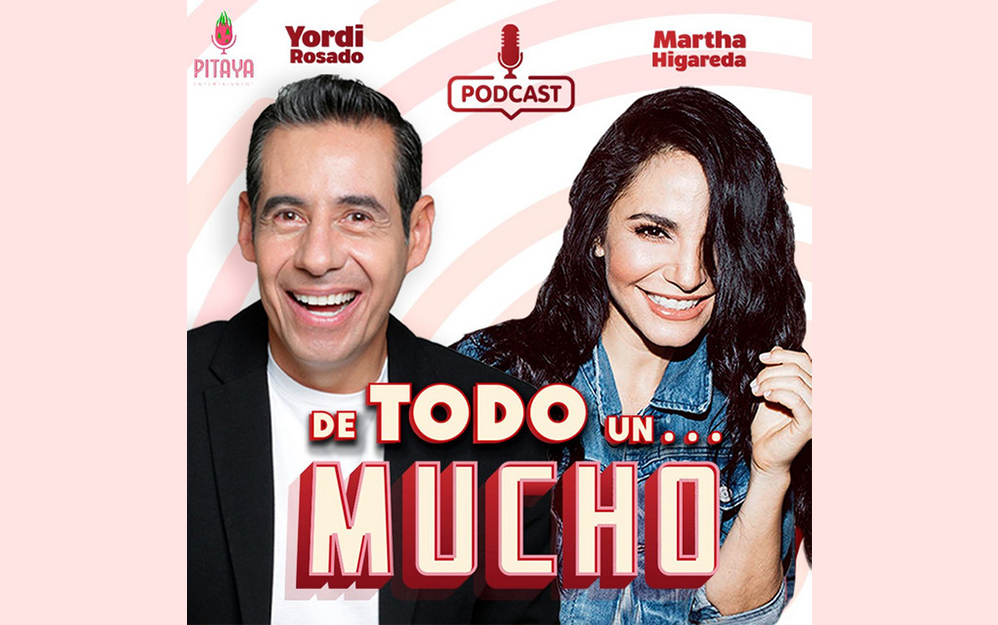
De Todo Un…Mucho
He added that Gen Z-oriented formats such as Envinadas, 5inco Mentarios and La Mesa del Tijereo generate massive engagement through social media — where clips, reactions and shareable moments extend the life of the content far beyond the full episode.
“What ties all of this together is a simple but difficult-to-execute formula: powerful voices, culturally relevant content and a multiplatform approach. When you meet audiences where they are — in audio, video and social media — engagement doesn’t just happen, it multiplies,” he emphasized.
SUPPORT FROM BRANDS
Asked about the brands that support them, Oliveres said they have worked with many of the biggest brands operating nationally in the U.S. and Mexico — and for many of them, “Pitaya was where they ran their first Spanish-language podcast campaign. Toyota, T-Mobile, Airbnb, Starbucks, Walmart, AT&T, Mastercard, McDonald’s and Old Navy are just some of the renowned brands we have collaborated with over the years.”
He highlighted that clients return because of the results. “We combine culturally relevant talent, multiplatform reach across video, audio and social media, and flawless execution that makes brand integration feel organic, not transactional. It’s that combination of credibility, scale and impact that has positioned Pitaya as a trusted platform for brands seeking to connect meaningfully with Latino consumers in both the U.S. and Mexico,” he said.
STRONGER INTEGRATIONS COMBINE VIDEO, AUDIO AND SOCIAL MEDIA
Asked about the most successful campaigns at Pitaya, he noted that the strongest brand integrations are those that combine video, audio and social media into a single ecosystem.
“We offer all kinds of packages to meet advertisers’ needs. Some choose dynamically inserted spots in audio inventory; others prefer host-read ads, which add the trust and authenticity of a creator’s voice. There are also those who go directly to YouTube with host-read video ads or customized segments, where audiences not only hear the host talk about a product — they see it in the context of a show they love. And for those looking to maximize reach, we add social media amplification that extends the campaign far beyond the episode. But the most powerful option is the one that combines all these elements: when video, audio and social media work together, the impact for the brand multiplies,” he expressed.
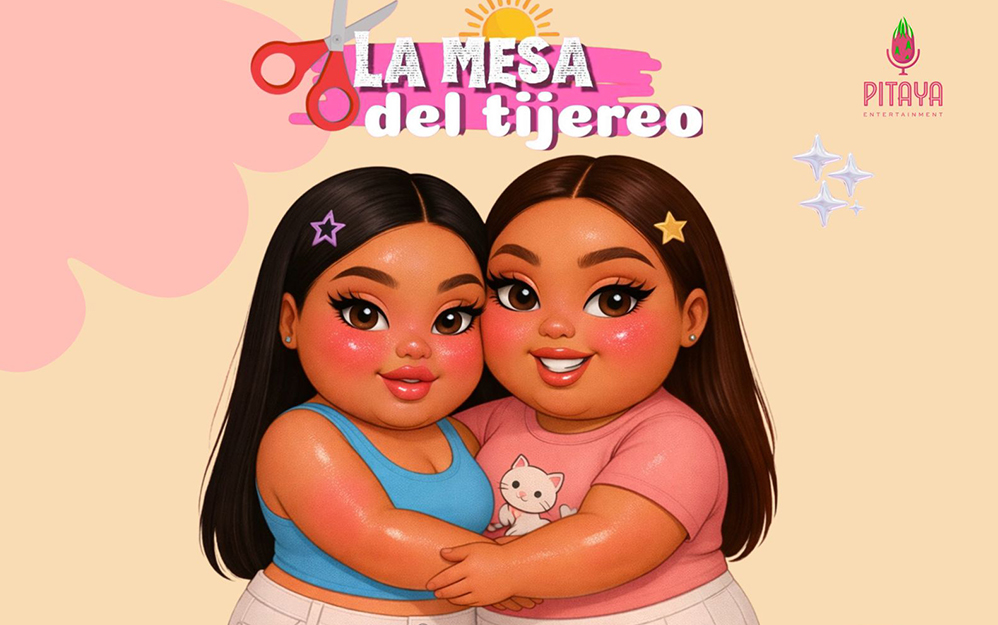
La Mesa del Tijereo
He indicated that data supports this approach: host-read ads generate a 71% brand recall rate, according to Nielsen, and when video and social media are added, that impact is even greater. “That’s why the campaigns that perform best are not isolated actions — they are integrated, multiplatform activations that reach audiences at every touchpoint,” he said.
EVOLUTION TOWARD MULTI-PLATFORM BRAND ECOSYSTEMS
Oliveres pointed out that Pitaya’s business model has evolved from simply selling audio to building multi-platform brand ecosystems.
“Over the past five years, we have strongly committed to host-read video ads, customized content and social media amplification — because that’s where the audiences are and where brands get the greatest return,” he emphasized.
He said today’s biggest podcasters are multimedia creators with influence on YouTube, Instagram, TikTok and beyond. “The most effective campaigns are those that activate that entire digital footprint. We’ve seen it firsthand with partners such as Toyota and T-Mobile, which have embraced a fully integrated approach — combining audio, video and social media to reach Latino audiences at every touchpoint. That’s the model: leveraging creator trust and multiplatform reach to deliver brand messages at scale while still feeling organic and culturally relevant,” he stressed.
PODCASTING IS NO LONGER JUST AUDIO
Asked about the biggest lesson learned over these years, Oliveres said the most important realization was understanding that podcasting is no longer just audio: creators and networks that understood early on that audiences move fluidly between audio, video and social media are the ones leading today.
He added that one thing has not changed: trust is everything. “Audiences do not follow platforms — they follow people. At Pitaya, our focus has always been on culturally authentic voices with real credibility in the Latino community. Many of our hosts built that trust long before podcasting — and that is what makes their connection with audiences so powerful and valuable for brands. Platforms evolve. Formats evolve. But trust is the constant — and that is where everything begins and ends.”
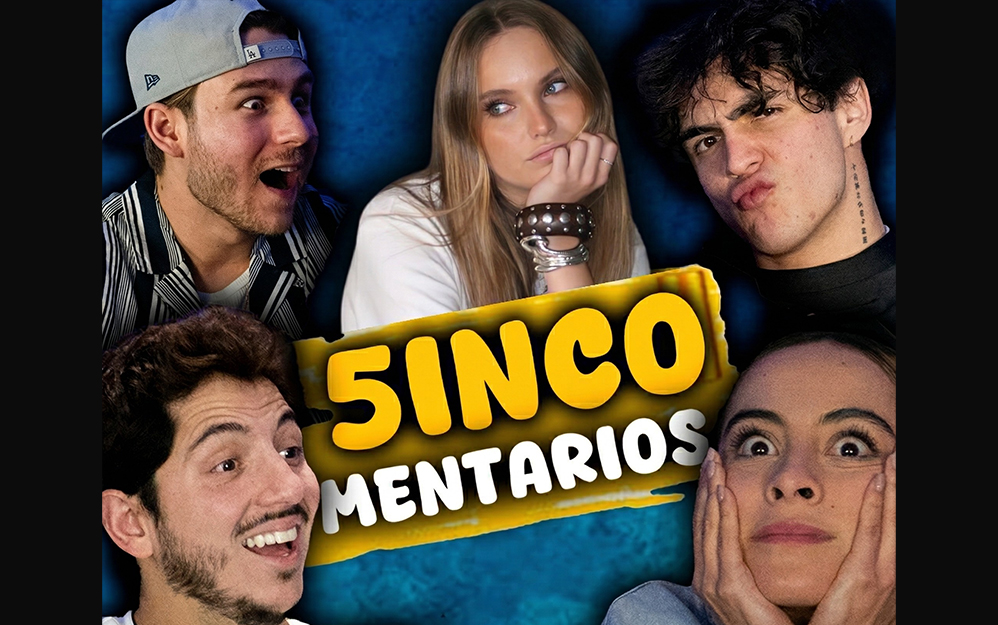
5Inco Comentarios


Diario de Hoy
|
jueves, 8 de octubre de 2026 |
Noticias relacionadas (6)
6 de mayo de 2026

6 de noviembre de 2025
Jordi Oliveres de Pitaya Entertainment: “Publicidad en podcast funciona muy bien”
9 de septiembre de 2025
Angélica Vale estrena podcast sobre La Fea Más Bella producido por Pitaya Entertainment
21 de agosto de 2025
Pitaya Entertainment lleva sus principales series a Canela.TV